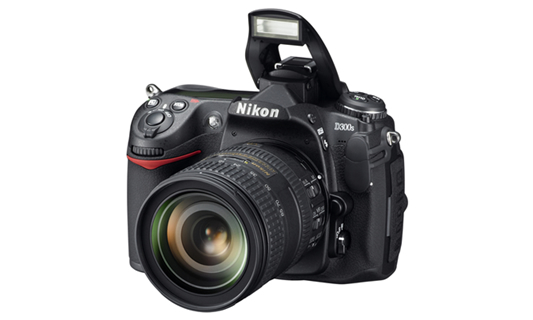
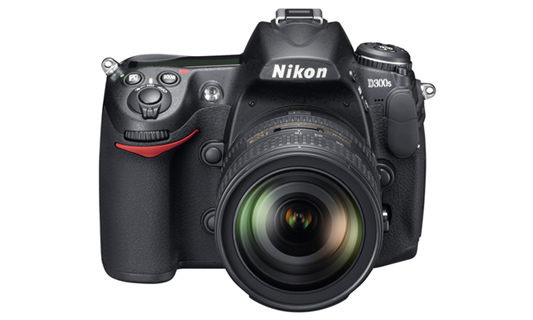
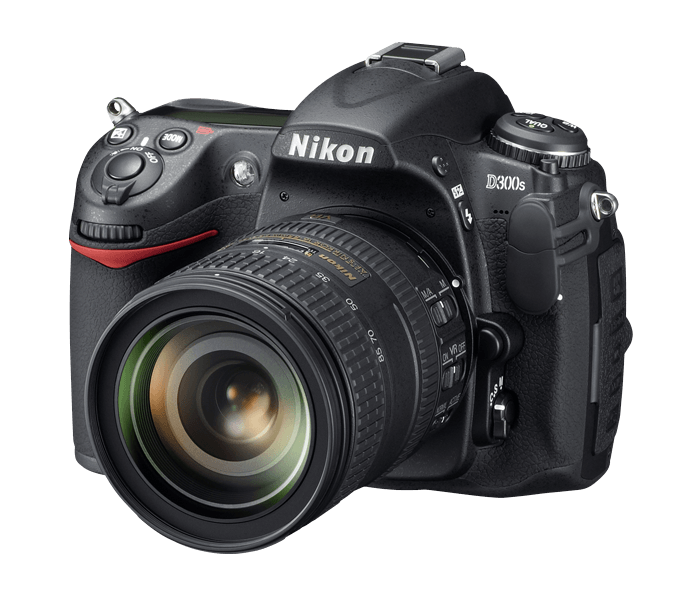
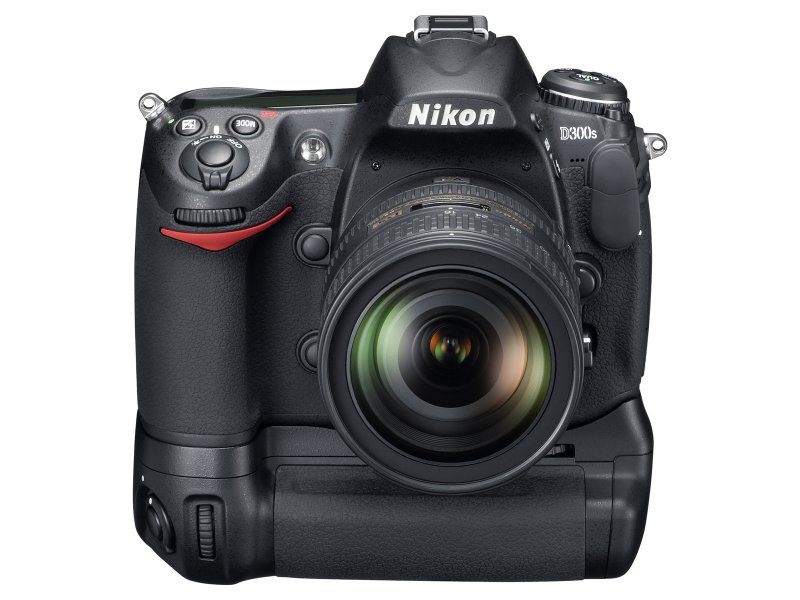
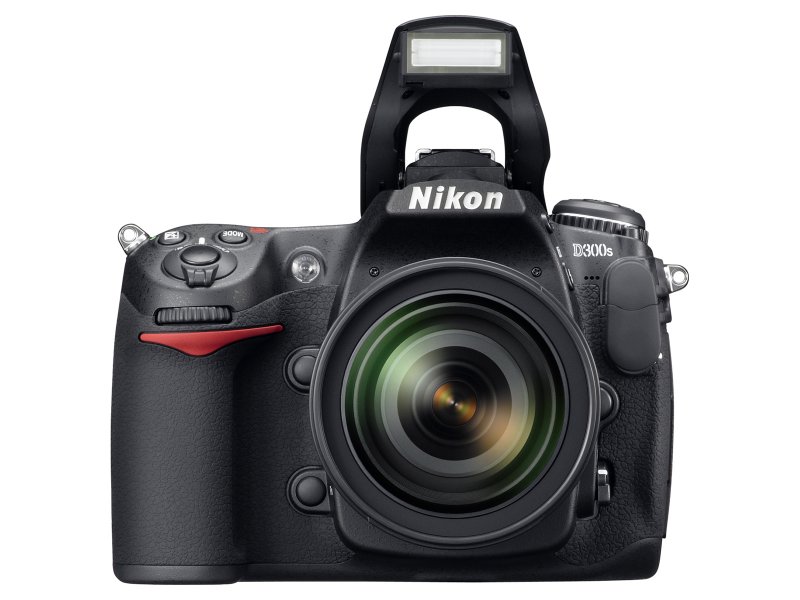
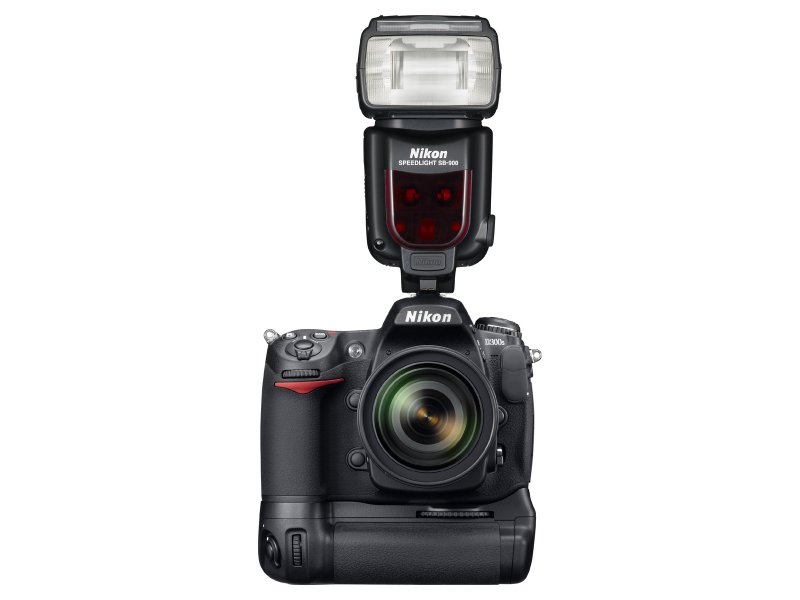
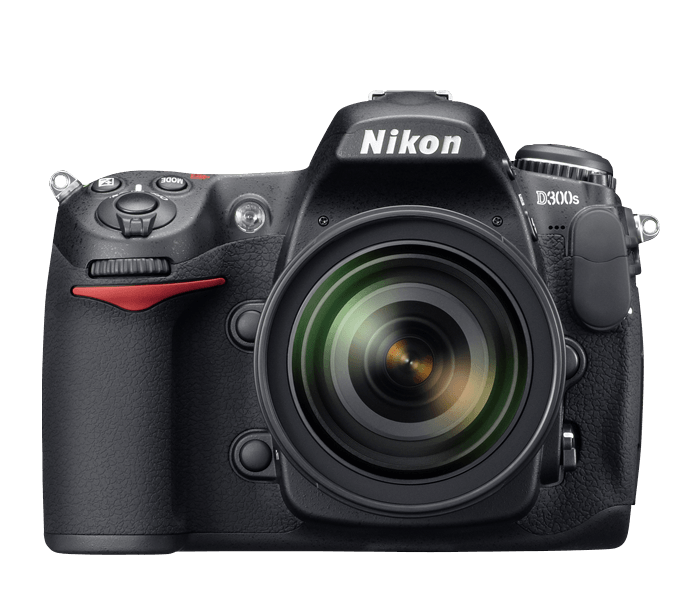
Nikon D300S · Nikon USA front photograph with a lens; lens is not part of body specifications
Nikon · Nikon DSLR
D300S
A 12.3-megapixel DX DSLR with 51-point autofocus, dual memory-card slots and 720p movie recording.
- Type
- DSLR
- Sensor
- APS-C
- Megapixels
- 12.3
- Lens
- Nikon F mount
- Video
- 1280 × 720 at 24 fps
- Body weight
- 840 g
What reviewers say
Both praise construction, direct controls, image quality and dual-card flexibility, while finding little reason for most D300 owners to upgrade. Both criticise slow movie autofocus. Photography Blog praises tracking and the viewfinder, but dislikes the missing live histogram and recessed buttons. TechRadar enjoys rapid operation and useful video, while noting rolling-shutter distortion and weaker high-ISO results than full-frame alternatives.
From photographyblog.com and techradar.com
Specifications
Report a wrong or missing specImage and sensor
- Camera type
- DSLR
- Sensor format
- APS-C
- Sensor type
- CMOS
- Sensor dimensions
- 23.6 × 15.8 mm
- Effective resolution
- 12.3 MP
- Largest image
- 4288 × 2848
- RAW recording
- Yes
- Standard ISO range
- 200–3200
- Sensor detail
- 13.1 million total pixels; low-pass-filter vibration for dust reduction
- Image formats
- 12-bit or 14-bit NEF RAW, compressed, losslessly compressed or uncompressed; JPEG, TIFF RGB and RAW plus JPEG
- ISO detail
- Expanded equivalents ISO 100–6400; Auto ISO
- Image processor
- EXPEED image processing and Scene Recognition System
Lens and shooting
- Lens mount
- Nikon F mount
- Stabilisation
- Optical lens stabilisation
- Maximum continuous burst
- 7 fps
- Lens detail
- Body AF motor supports compatible screw-drive lenses. Supported non-CPU AI lenses permit aperture-priority and manual exposure, with colour matrix metering when lens data is entered. IX and F3AF lenses unsupported
- Autofocus
- Multi-CAM 3500DX; 51 points including 15 cross-type, dynamic 9/21/51-point modes and 3D tracking; AF fine-tuning
- Shutter
- 1/8000 to 30 seconds and Bulb; standard flash sync 1/250 second, with 1/320 at reduced flash range; Quiet release mode; shutter tested to 150000 cycles
- Burst detail
- Approximately 7 fps with EN-EL3e in the body; up to 8 fps with MB-D10 and EN-EL4a. Nikon Japan specifies approximately 7.7 fps with eight AA cells in MB-D10 and 7.6 fps with AC power. 14-bit RAW is limited to approximately 2.5 fps
- Stabilisation detail
- Optical VR depends on the attached lens; no sensor-shift stabilisation
- Flash
- Pop-up i-TTL flash, guide number approximately 12 at ISO 100 in metres; commander support, hot shoe and PC sync terminal
- Exposure controls
- P/S/A/M; 1005-pixel RGB 3D Colour Matrix Metering II; Active D-Lighting with bracketing and interval timer
Video
- Highest video resolution
- 1280 × 720 at 24 fps
- Video detail
- 1280 × 720, 640 × 424 or 320 × 216 at 24 fps; Motion-JPEG AVI. Maximum clip length five minutes at 720p or twenty minutes at lower resolutions. Contrast-detection autofocus can be initiated during recording in Tripod mode
- Audio
- Built-in mono microphone; 3.5 mm external stereo microphone input with adjustable microphone sensitivity
Screen and viewfinder
- Viewfinder
- Optical
- Screen size
- 3″
- Screen dots
- 921,000
- Tilting screen
- No
- Display detail
- Fixed TFT with 170° viewing angle. Nikon USA specifies 921000 dots; Japan rounds this to approximately 920000. Dots count subpixels
- Viewfinder detail
- Pentaprism, approximately 100% coverage and 0.94× magnification with 50mm at infinity; 19.5 mm eyepoint
Connections and design
- Wi-Fi
- No
- Battery life (maker's claim)
- 950 photographs
- Body weight
- 840 g
- Release detail
- Nikon's US announcement specifies late August 2009 availability; Japan records 28 August. Main retains the month
- Recording media
- Dual slots for CompactFlash Type I with UDMA and SD/SDHC; backup, overflow, separate RAW/JPEG and card-to-card copying. CompactFlash Type II and Microdrive unsupported
- Ports
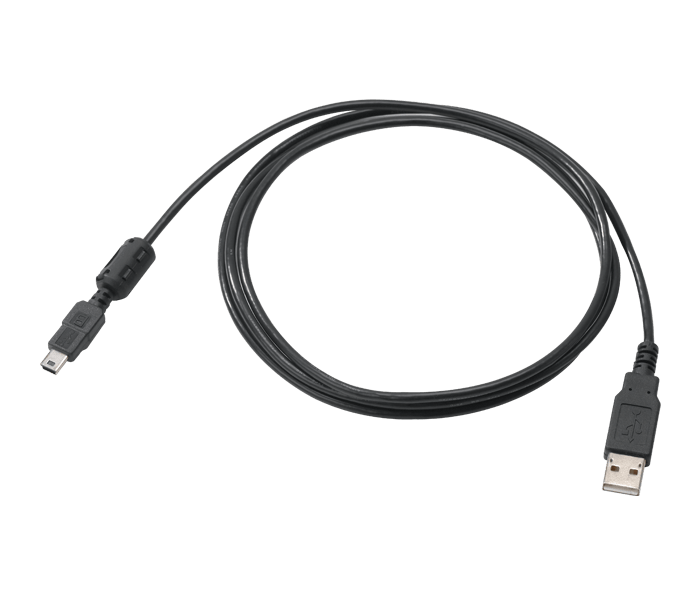
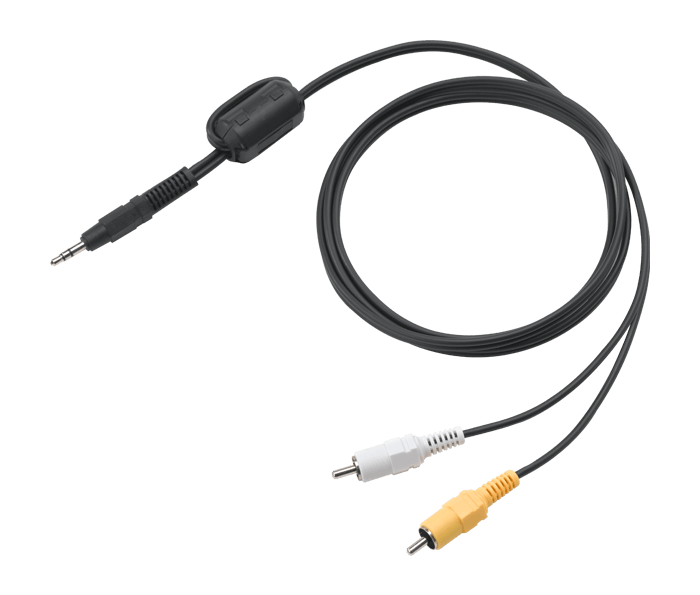
- Hi-Speed USB, analogue NTSC/PAL output, mini HDMI Type C, ten-pin accessory/GPS terminal and PC flash sync
- Wireless connections
- Optional WT-4/WT-4A transmitter supports network transfer; no built-in Wi-Fi
- Battery life detail
- EN-EL3e; approximately 950 shots under CIPA conditions with AF-S VR 24–120mm f/3.5–5.6G ED, flash on alternate exposures and no live view. Separate Nikon continuous test claims approximately 3000 shots. MB-D10 accepts EN-EL3e, EN-EL4/EN-EL4a or eight AA cells
- Charging
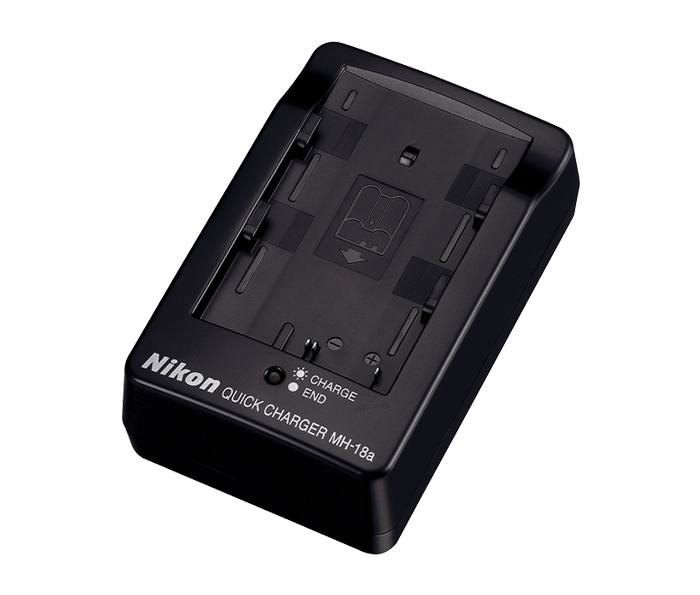
- MH-18a external charger; optional EH-5/EH-5a AC adapter
- Dimensions
- Approximately 147 × 114 × 74 mm
- Weight detail
- Approximately 840 g excluding battery, memory card, body cap and monitor cover
- Materials
- Magnesium-alloy body with seals and gaskets at key points
Pros and cons
Pros
- 100% optical viewfinder and 51-point autofocus
- Separate CompactFlash and SD slots support backup recording
- 7 fps continuous shooting with the supplied battery
Cons
- 14-bit RAW limits continuous shooting to 2.5 fps
- 720p video clips are limited to five minutes
- Fixed rear screen and 840 g body without battery
Closest rivals
Model | Type | Sensor | Megapixels | Lens | Video | Body weight | Released |
|---|---|---|---|---|---|---|---|
| DSLR | APS-C | 10.2 | Sony A-mount | – | 450 g | Jun 2009 | |
| DSLR | APS-C | 10.2 | Sony A-mount | – | 490 g | Jun 2009 | |
| DSLR | APS-C | 14.2 | Sony A-mount | – | 490 g | Jun 2009 |


Newer model: D500.
Sources
- nij.nikon.com/products/lineup/slr/d300s/spec.html
- nij.nikon.com/products/lineup/slr/d300s
- cdn-10.nikon-cdn.com/pdf/manuals/kie88335f7869dfuejdl=-cww2/D300S_EN.pdf
- nikonusa.com/p/d300s/25464/overview
- nikonusa.com/press-room/nikon-d300s-revitalizes-the-st
- photographyblog.com/reviews/nikon_d300s_review
- techradar.com/reviews/cameras-and-camcorders/cameras/digital-slrs-hybrids/nikon…
- techradar.com/reviews/cameras-and-camcorders/cameras/digital-slrs-hybrids/nikon…
- techradar.com/reviews/cameras-and-camcorders/cameras/digital-slrs-hybrids/nikon…
- techradar.com/reviews/cameras-and-camcorders/cameras/digital-slrs-hybrids/nikon…
- techradar.com/reviews/cameras-and-camcorders/cameras/digital-slrs-hybrids/nikon…
- techradar.com/reviews/cameras-and-camcorders/cameras/digital-slrs-hybrids/nikon…
Photo: Nikon USA front photograph with a lens; lens is not part of body specifications
- D300S with raised built-in flash and attached lens: Nikon official exact D300S camera/configuration photograph; optional attached hardware identified in caption
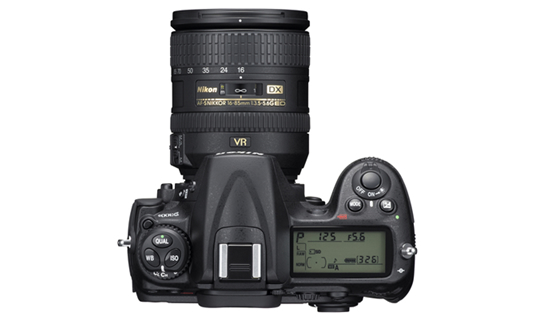
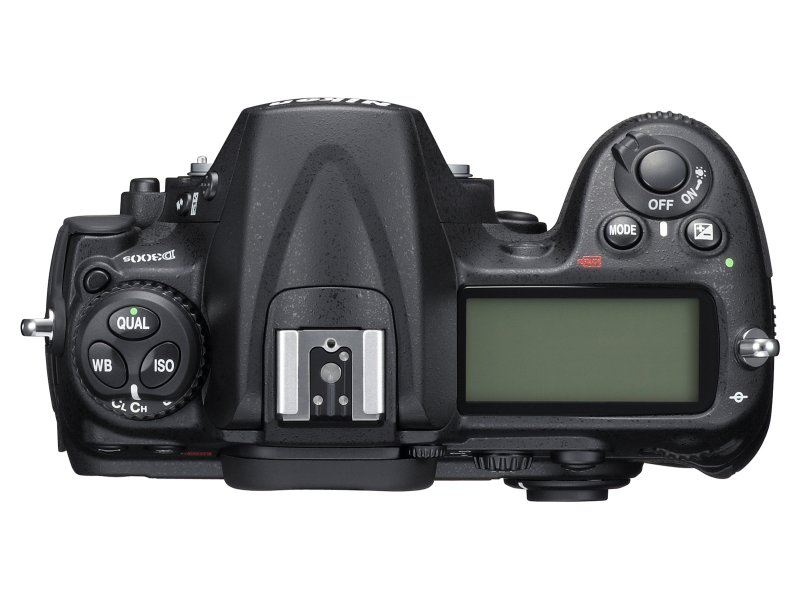
- D300S top controls with attached lens: Nikon official exact D300S camera/configuration photograph; optional attached hardware identified in caption
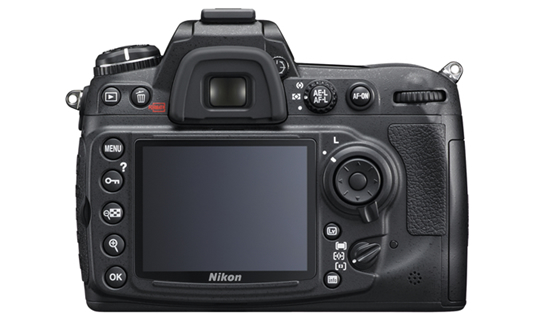
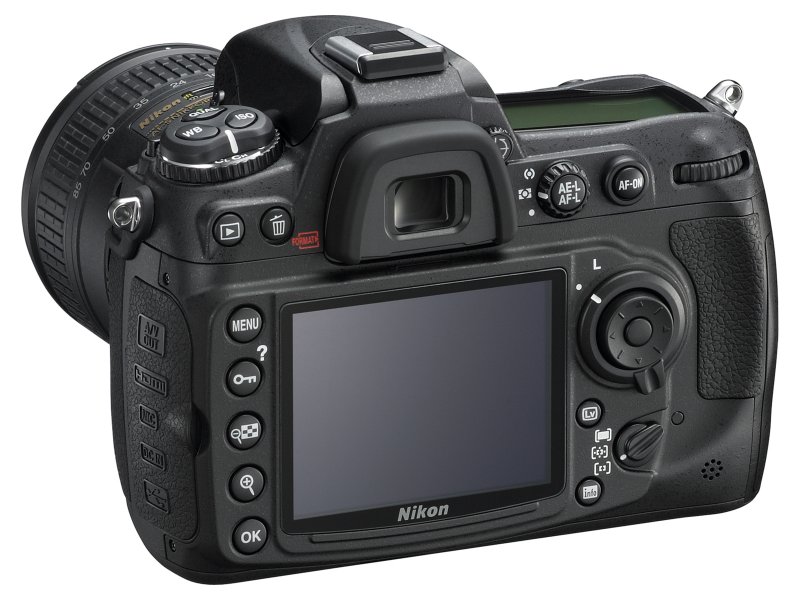
- D300S rear controls and LCD: Nikon official exact D300S camera/configuration photograph; optional attached hardware identified in caption
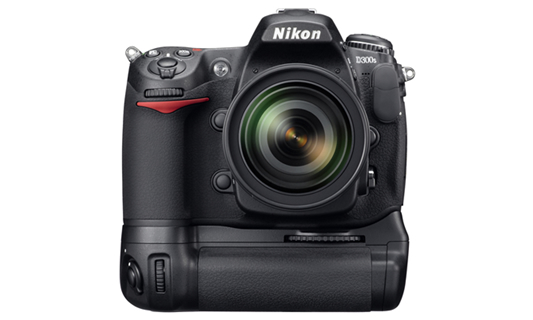
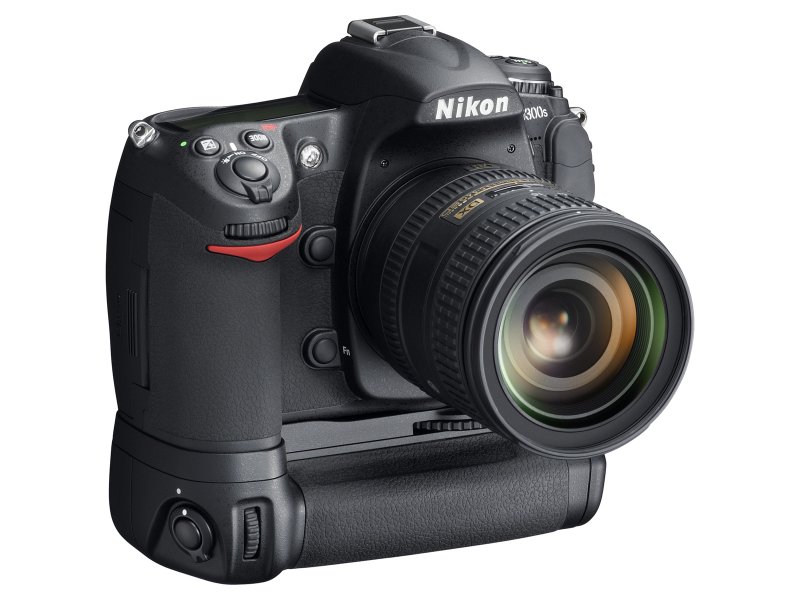
- D300S with optional attached MB-D10 battery grip and lens: Nikon official exact D300S camera/configuration photograph; optional attached hardware identified in caption
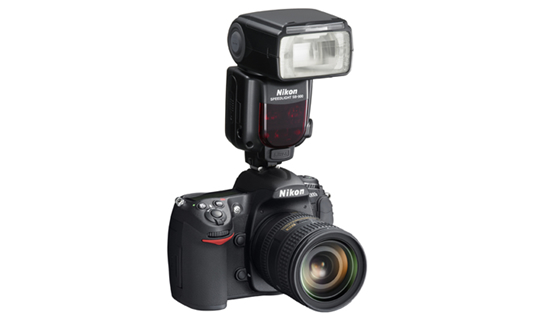
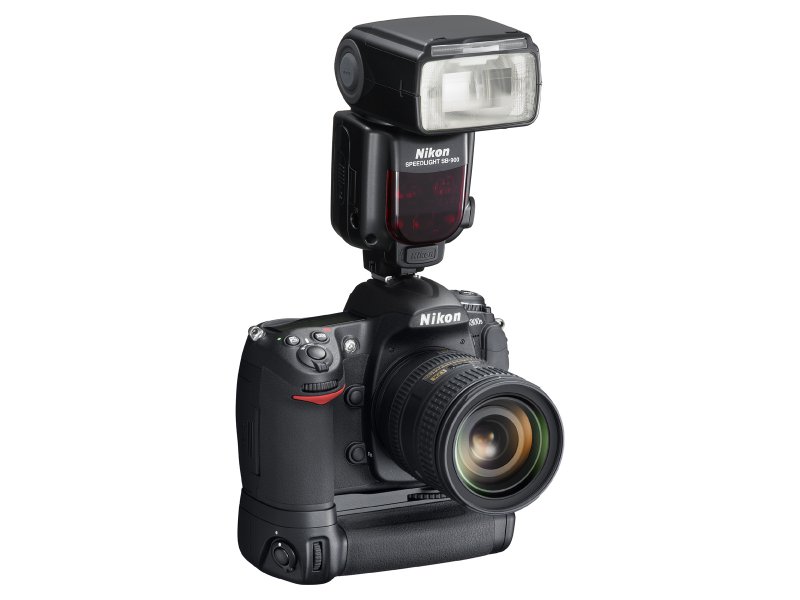
- D300S with optional attached Nikon Speedlight and lens: Nikon official exact D300S camera/configuration photograph; optional attached hardware identified in caption
- D300S raised front camera view with attached lens: Nikon official exact D300S camera/configuration photograph; optional attached hardware identified in caption
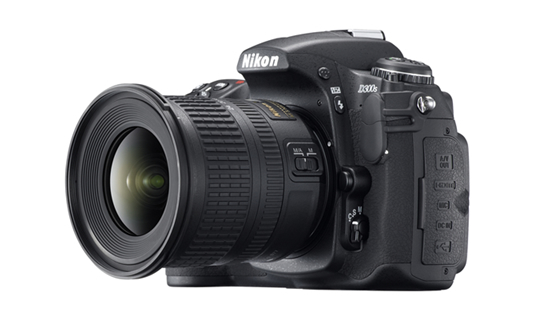
- D300S left-front camera view with attached lens: Nikon official exact D300S camera/configuration photograph; optional attached hardware identified in caption
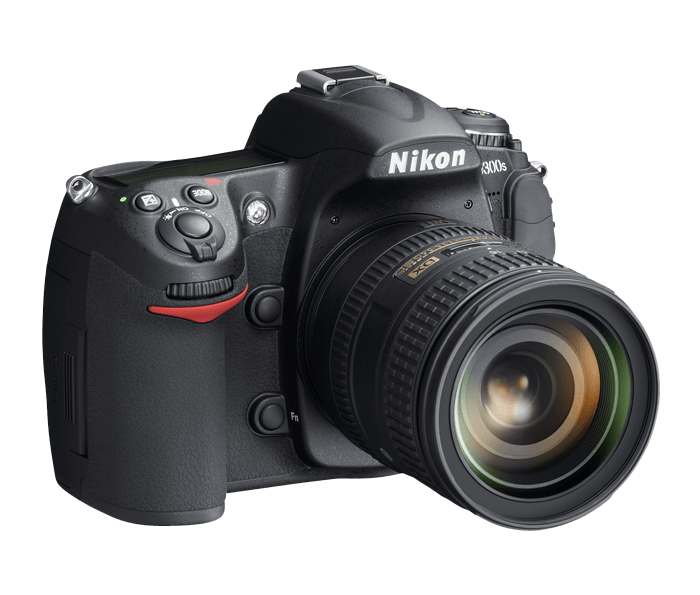
- D300S front oblique with attached lens: Nikon official exact D300S camera/configuration photograph; optional attached hardware identified in caption
- D300S opposite front oblique with attached lens: Nikon official exact D300S camera/configuration photograph; optional attached hardware identified in caption
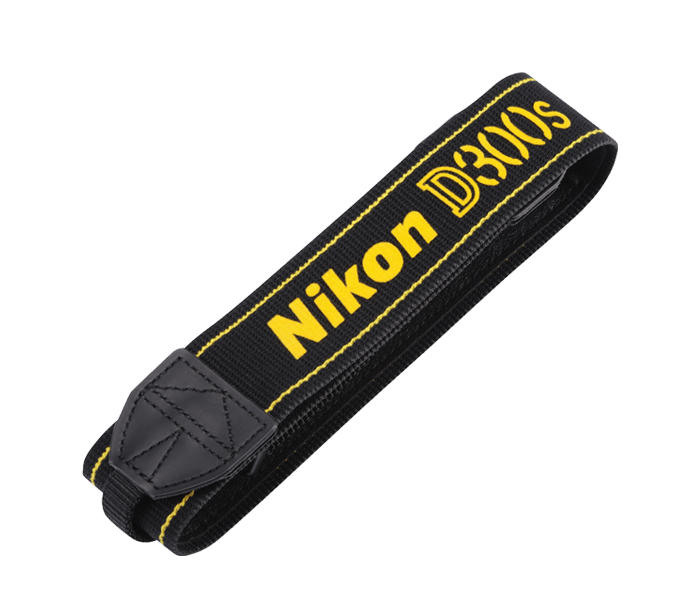
- Supplied AN-DC4 D300S strap, folded view: Nikon official supplied-item photograph; exact D300S supplied-item section establishes included hardware
- Supplied EG-D2 audio/video cable, bundled view: Nikon official supplied-item photograph; exact D300S supplied-item section establishes included hardware
- Supplied AN-DC4 D300S strap, extended view: Nikon official supplied-item photograph; exact D300S supplied-item section establishes included hardware
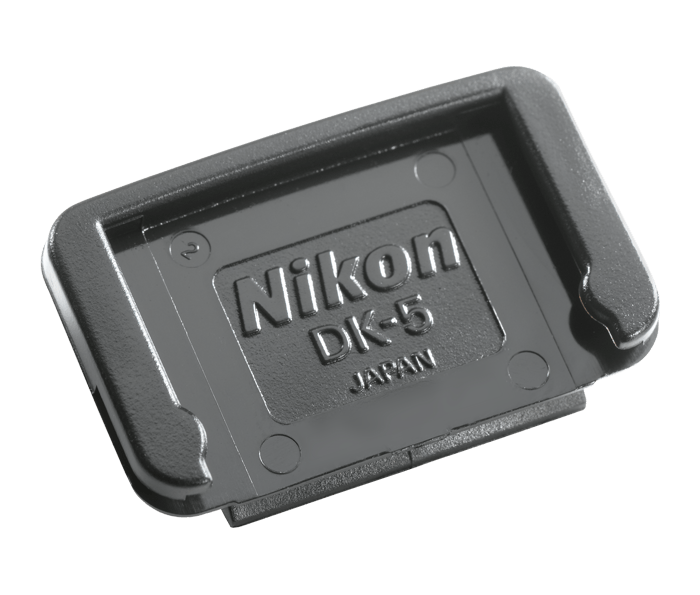
- Supplied DK-5 eyepiece cap, oblique view: Nikon official supplied-item photograph; exact D300S supplied-item section establishes included hardware
- Supplied UC-E4 USB cable, looped view: Nikon official supplied-item photograph; exact D300S supplied-item section establishes included hardware
- Supplied EG-D2 audio/video cable, looped view: Nikon official supplied-item photograph; exact D300S supplied-item section establishes included hardware
- Supplied MH-18a quick charger: Nikon official supplied-item photograph; exact D300S supplied-item section establishes included hardware
- Supplied EN-EL3e rechargeable battery: Nikon official supplied-item photograph; exact D300S supplied-item section establishes included hardware
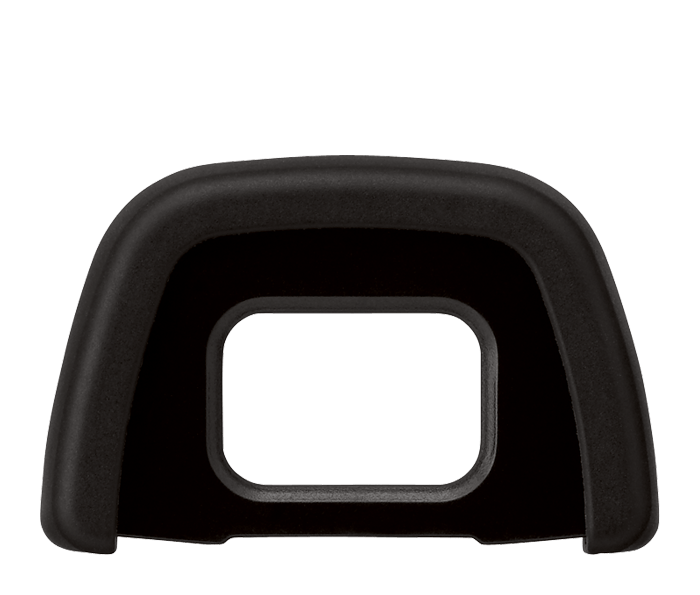
- Supplied DK-23 rubber eyecup: Nikon official supplied-item photograph; exact D300S supplied-item section establishes included hardware
- Supplied UC-E4 USB cable, bundled view: Nikon official supplied-item photograph; exact D300S supplied-item section establishes included hardware
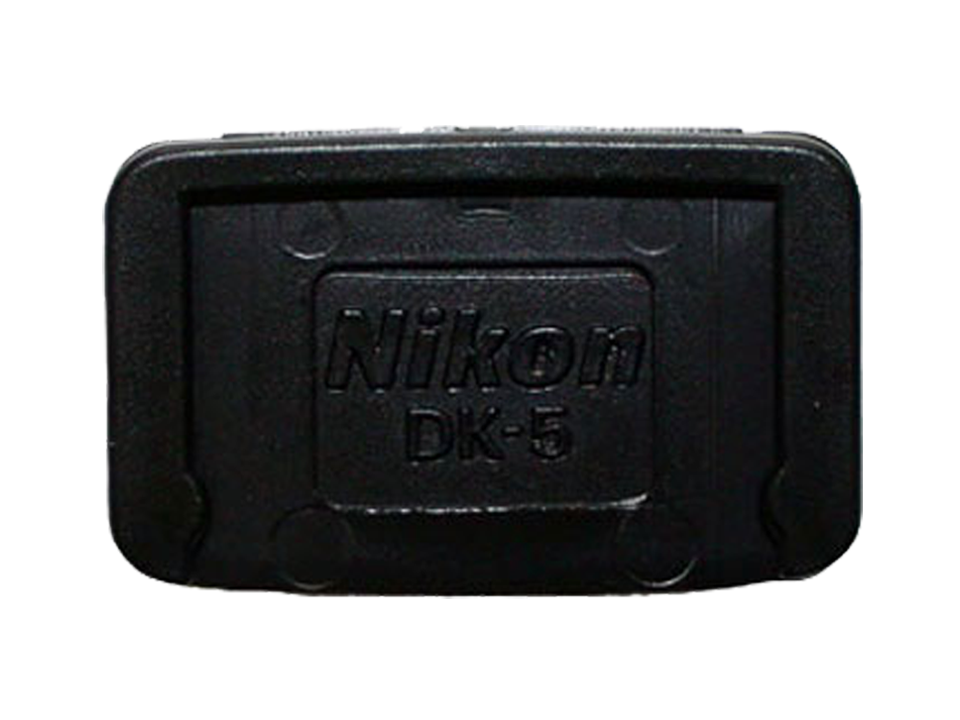
- Supplied DK-5 eyepiece cap, front view: Nikon official supplied-item photograph; exact D300S supplied-item section establishes included hardware
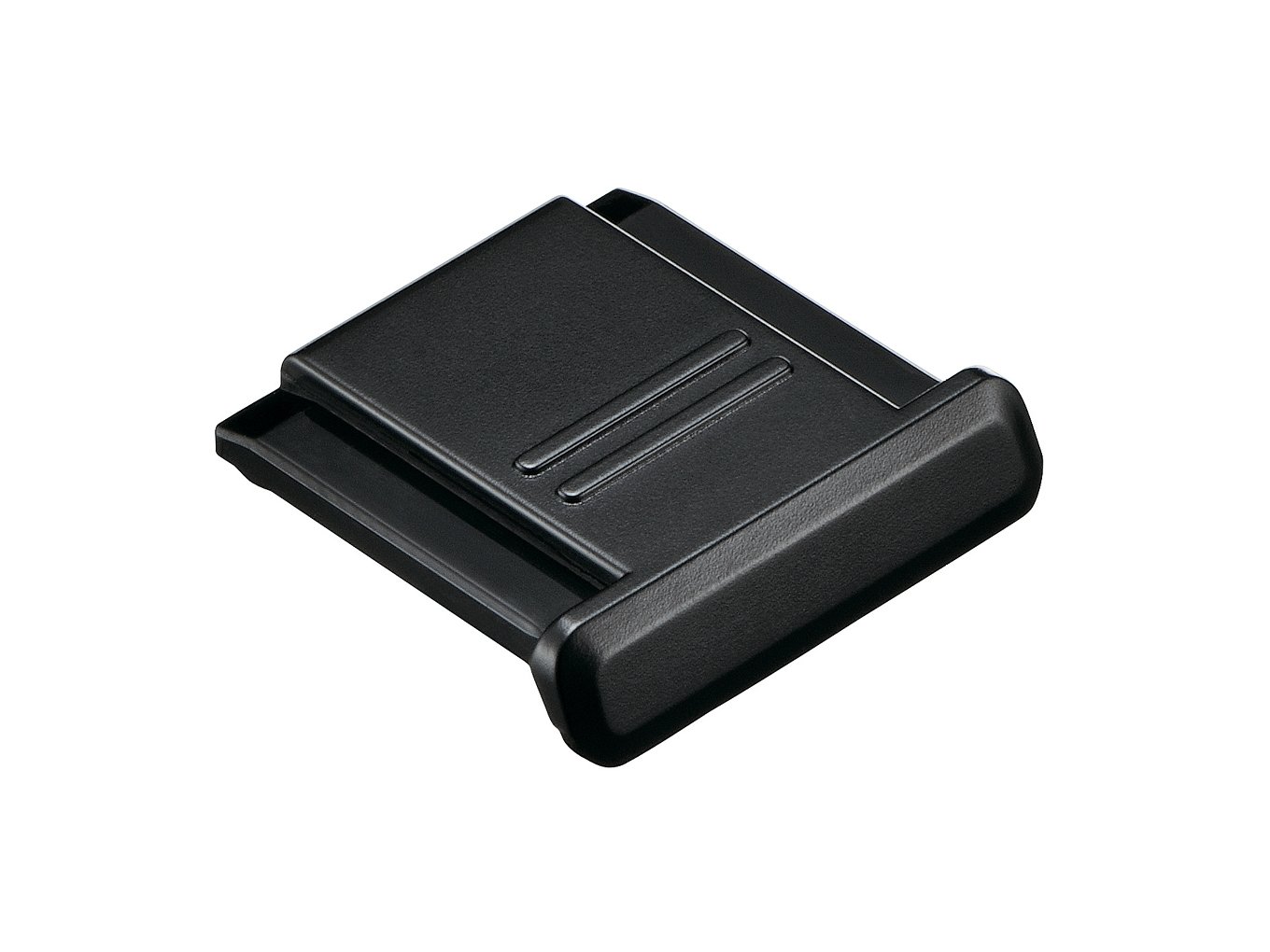
- Supplied BS-1 accessory-shoe cover: Nikon official supplied-item photograph; exact D300S supplied-item section establishes included hardware
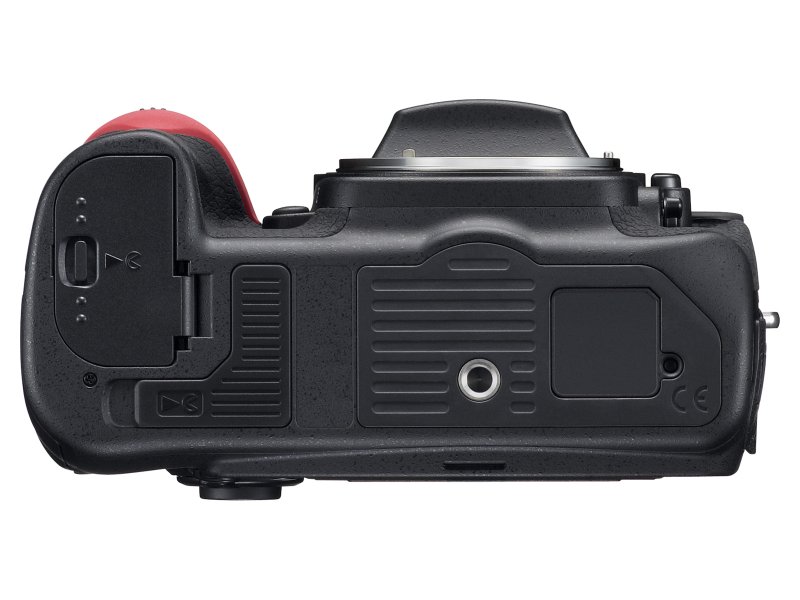
- D300S body underside: Nikon official product photograph
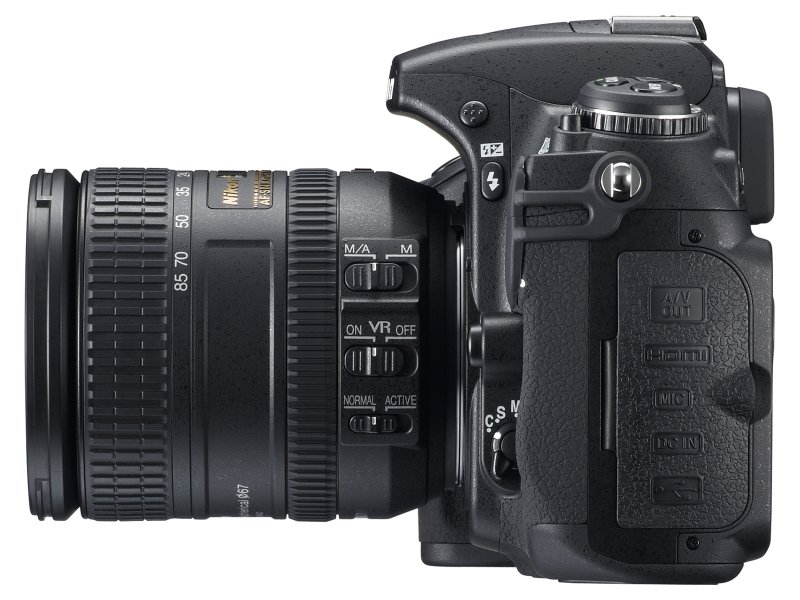
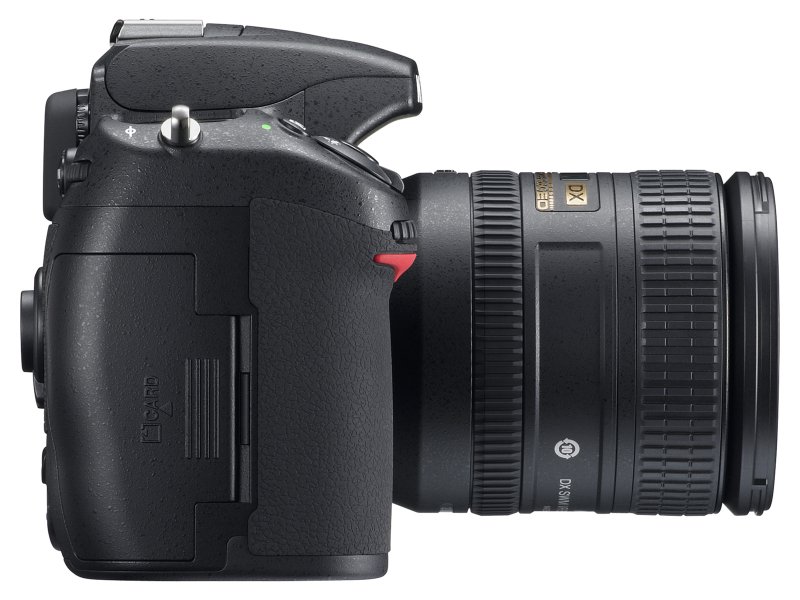
- D300S left side with 16–85mm VR lens: Nikon official product photograph
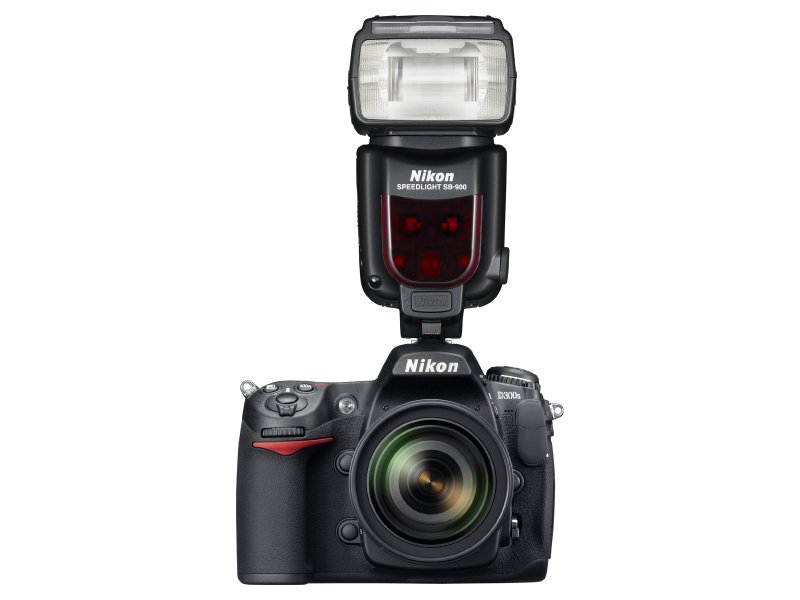
- D300S straight front with 16–85mm VR lens and optional Speedlight: Nikon official product photograph
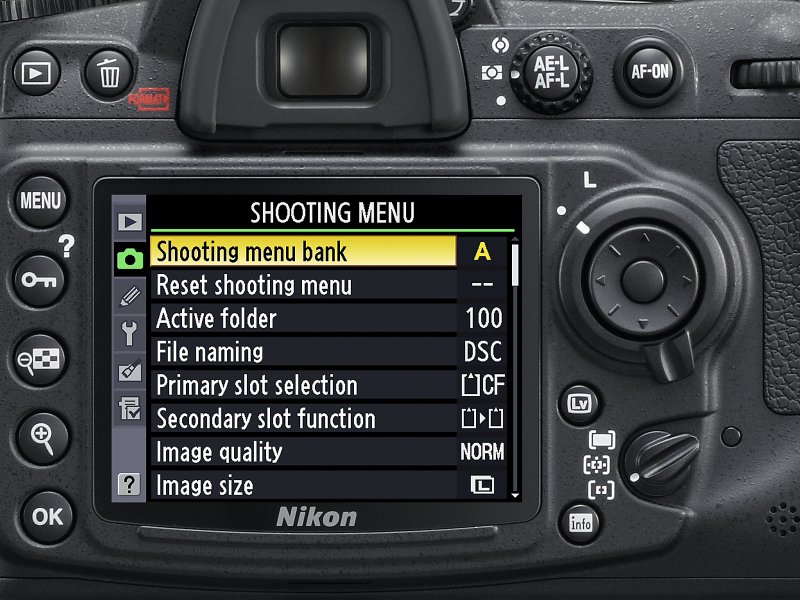
- D300S rear controls close-up showing shooting menu: Nikon official product photograph
- D300S opposite front oblique with 16–85mm VR lens and raised built-in flash: Nikon official product photograph
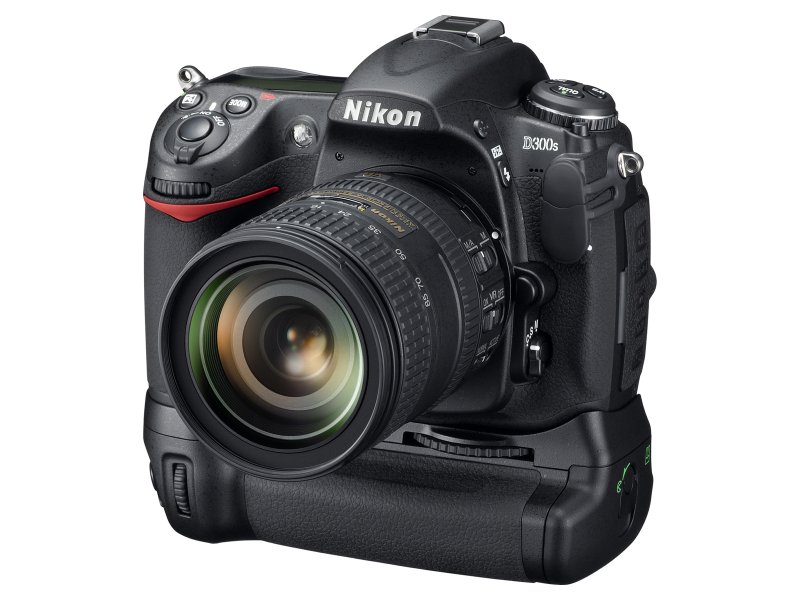
- D300S front oblique with 16–85mm VR lens and optional MB-D10 battery grip: Nikon official product photograph
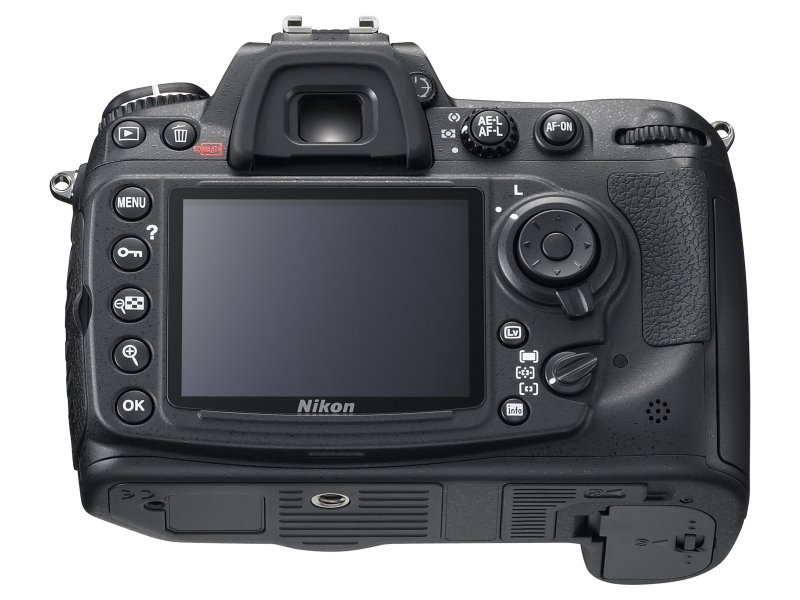
- D300S rear underside with optional MB-D10 battery grip: Nikon official product photograph
- D300S elevated front with 16–85mm VR lens and optional MB-D10 battery grip: Nikon official product photograph
- D300S straight front with 16–85mm VR lens and raised built-in flash: Nikon official product photograph
- D300S opposite front oblique with 16–85mm VR lens, optional Speedlight and MB-D10 battery grip: Nikon official product photograph
- D300S opposite front oblique with 16–85mm VR lens and optional MB-D10 battery grip: Nikon official product photograph
- D300S straight front with 16–85mm VR lens, optional Speedlight and MB-D10 battery grip: Nikon official product photograph
- D300S body top without lens: Nikon official product photograph
- D300S right side with 16–85mm VR lens: Nikon official product photograph
- D300S rear oblique with 16–85mm VR lens: Nikon official product photograph
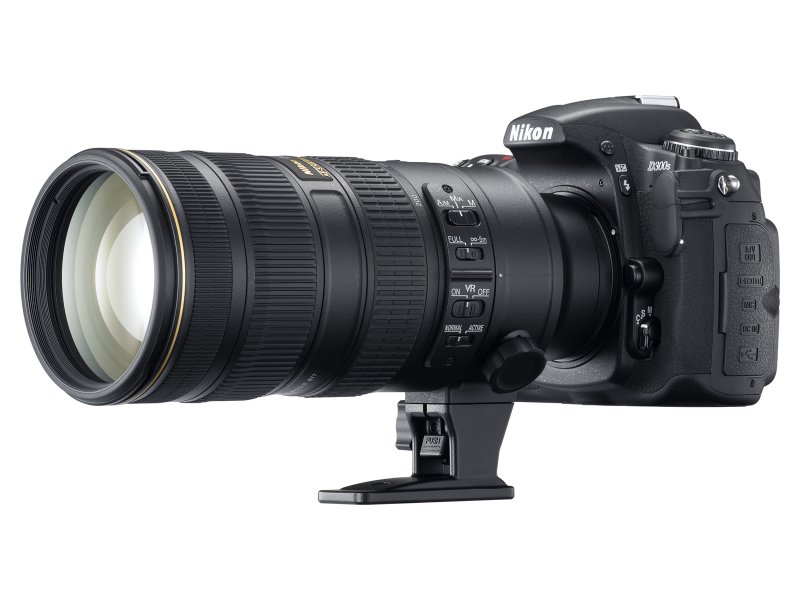
- D300S with optional 70–200mm VR lens and its tripod collar: Nikon official product photograph