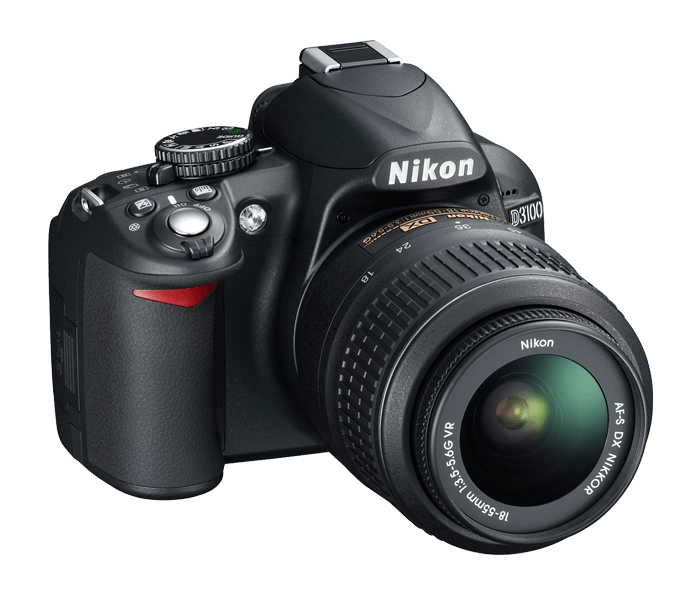
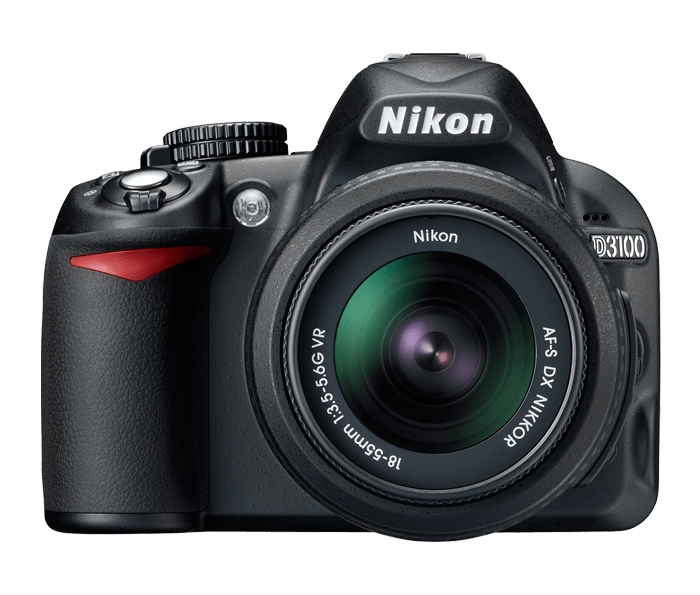
Nikon D3100 · Nikon USA front photograph with AF-S DX 18–55mm VR lens; lens is not part of body specifications
Nikon · Nikon DSLR
D3100
A 14.2-megapixel DX DSLR with beginner Guide mode, 11-point autofocus and Full HD 24p video.
- Type
- DSLR
- Sensor
- APS-C
- Megapixels
- 14.2
- Lens
- Nikon F mount
- Video
- 1920 × 1080 at 24 fps
- Body weight
- 455 g
What reviewers say
Both praise image quality, high-ISO results, beginner guidance and comfortable handling, but find low-light and video focusing weak. Photography Blog welcomes the drive lever and value, while criticising off-centre focus accuracy, the low-resolution live view and limited movie control. Photo Review finds fast stills autofocus in good light, but faults the small RAW buffer and basic bundled software.
From photographyblog.com and photoreview.com.au
Specifications
Report a wrong or missing specImage and sensor
- Camera type
- DSLR
- Sensor format
- APS-C
- Sensor type
- CMOS
- Sensor dimensions
- 23.1 × 15.4 mm
- Effective resolution
- 14.2 MP
- Largest image
- 4608 × 3072
- RAW recording
- Yes
- Standard ISO range
- 100–3200
- Sensor detail
- 14.2 million effective and 14.8 million total pixels; Nikon DX format with approximately 1.5× lens focal-length equivalent; sensor-cleaning system and Image Dust Off reference data
- Image formats
- NEF RAW, JPEG and simultaneous RAW plus JPEG; Standard, Neutral, Vivid, Monochrome, Portrait and Landscape Picture Controls; in-camera RAW processing and retouching
- ISO detail
- ISO 100–3200 in one-stop steps; expanded ISO 6400 and 12800 equivalents; Auto ISO
- Image processor
- EXPEED 2
Lens and shooting
- Lens mount
- Nikon F mount
- Stabilisation
- Optical lens stabilisation
- Maximum continuous burst
- 3 fps
- Lens detail
- Autofocus with AF-S and AF-I NIKKOR lenses; no body autofocus motor for screw-drive lenses. Other compatible AF lenses require manual focus. Non-CPU lenses work in manual exposure without metering; IX and F3AF lenses unsupported; electronic rangefinder requires maximum aperture f/5.6 or faster
- Autofocus
- Multi-CAM 1000; 11 phase-detection points including one cross-type; -1 to +19 EV at ISO 100, 20°C; AF-S/AF-C/AF-A, single-point, dynamic, auto-area and 11-point 3D tracking; AF-assist lamp. Live view uses contrast-detection AF-S/AF-F with face-priority, wide, normal and subject-tracking areas
- Shutter
- 1/4000 to 30 seconds in one-third stops and Bulb; flash sync 1/200 second
- Burst detail
- Approximately 3 fps under Nikon's manual-focus, S/M, 1/250-second-or-faster test conditions; Japanese specification lists up to 13 RAW, nine RAW plus Fine JPEG or 100 Fine JPEG frames with its specified 4 GB SanDisk Extreme SDHC card
- Stabilisation detail
- Optical VR depends on the lens; no sensor-shift stabilisation
- Flash
- Built-in pop-up flash; guide number approximately 12 m at ISO 100, 20°C, or 13 at manual full output; hot shoe; optional AS-15 adapter for PC sync
- Exposure controls
- P/S/A/M, Auto, flash-off Auto and scene modes; beginner Guide mode with illustrative assist images. 420-pixel RGB metering with Colour Matrix Metering II, centre-weighted and spot modes; ±5 EV compensation; Active D-Lighting on/off
Video
- Highest video resolution
- 1920 × 1080 at 24 fps
- Video detail
- H.264 MOV at Full HD 24p, 720p 30p/25p/24p or 640 × 424 at 24p; actual NTSC rates 29.97/23.976. Maximum clip ten minutes. Nikon USA's short movie feature list incorrectly describes 640 × 424 as 30 fps; its detailed table and Japan specify 24p. Continuous contrast-detection autofocus available
- Audio
- Built-in mono microphone with linear PCM recording; no external microphone input
Screen and viewfinder
- Viewfinder
- Optical
- Screen size
- 3″
- Screen dots
- 230,000
- Display detail
- Fixed 3-inch TFT, approximately 230000 dots, adjustable brightness; dots count subpixels
- Viewfinder detail
- Pentamirror; approximately 95% frame coverage, 0.8× magnification with 50mm f/1.4 at infinity and 18 mm eyepoint
Connections and design
- Battery life (maker's claim)
- 550 photographs
- Body weight
- 455 g
- Release detail
- Nikon Japan records sale on 16 September 2010 for the body, single-lens and double-zoom kits
- Recording media
- One SD/SDHC/SDXC card slot; compatible Eye-Fi cards supported
- Ports
- Hi-Speed USB, mini-HDMI Type C, NTSC/PAL analogue video output and accessory terminal for optional MC-DC2 remote or GP-1 GPS
- Wireless connections
- No integrated Wi-Fi, Bluetooth or GPS; optional GP-1 GPS and compatible Eye-Fi card accessories
- Battery life detail
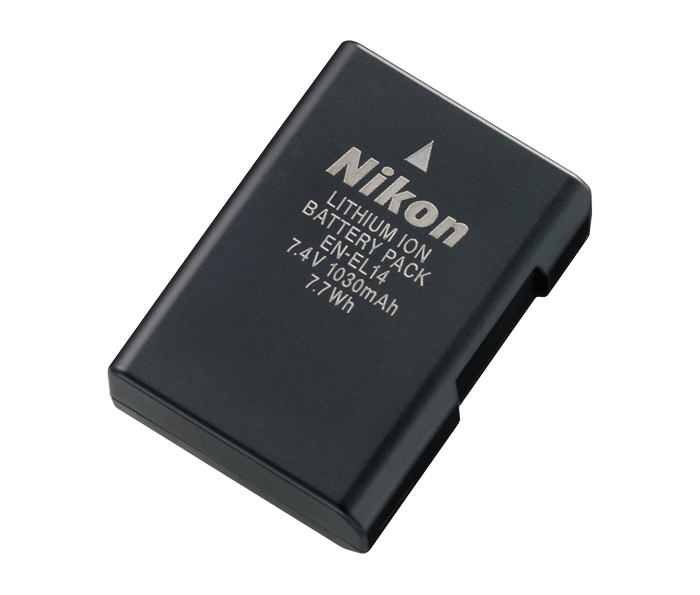
- EN-EL14; approximately 550 CIPA photographs. Nikon USA's later page also lists EN-EL14a compatibility
- Charging
- External MH-24 charger; optional EH-5a adapter with EP-5A power connector
- Dimensions
- Approximately 124 × 96 × 74.5 mm from Nikon Japan; Nikon USA's converted inch figures differ slightly
- Weight detail
- Approximately 455 g body only or 505 g with battery and SD card, excluding body cap
- In the box
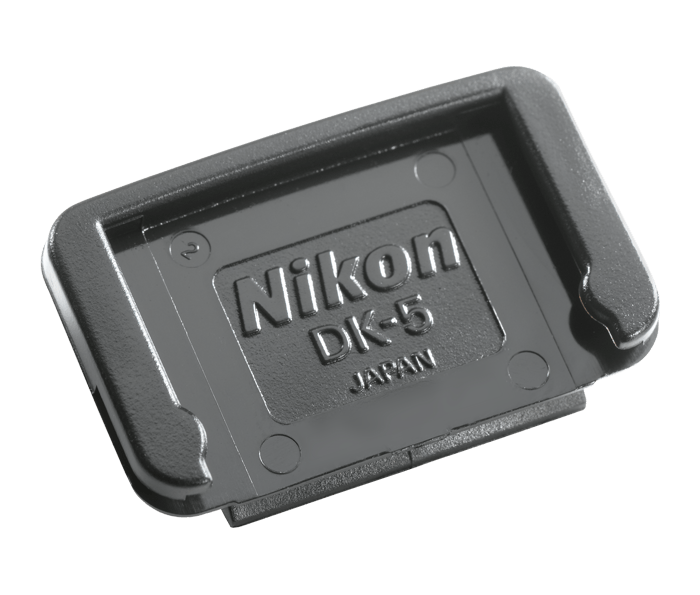
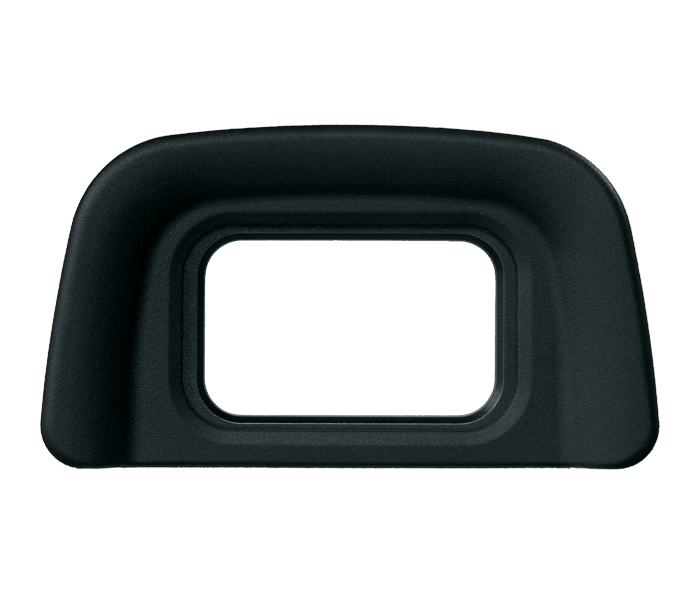
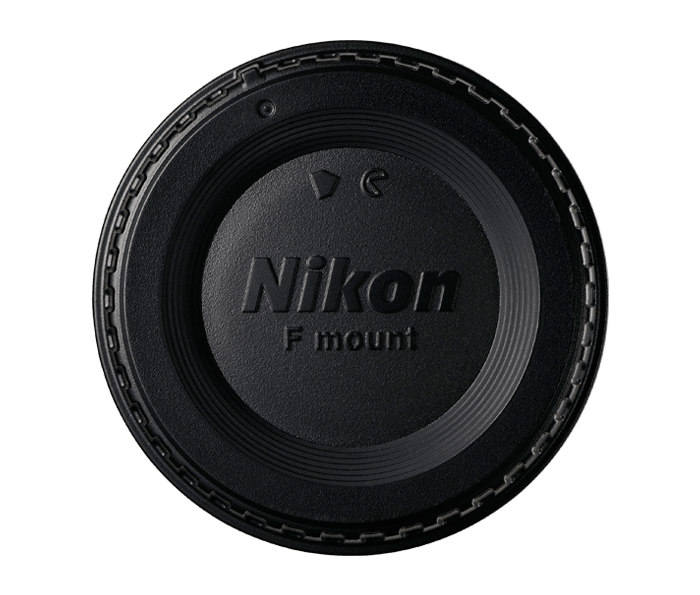
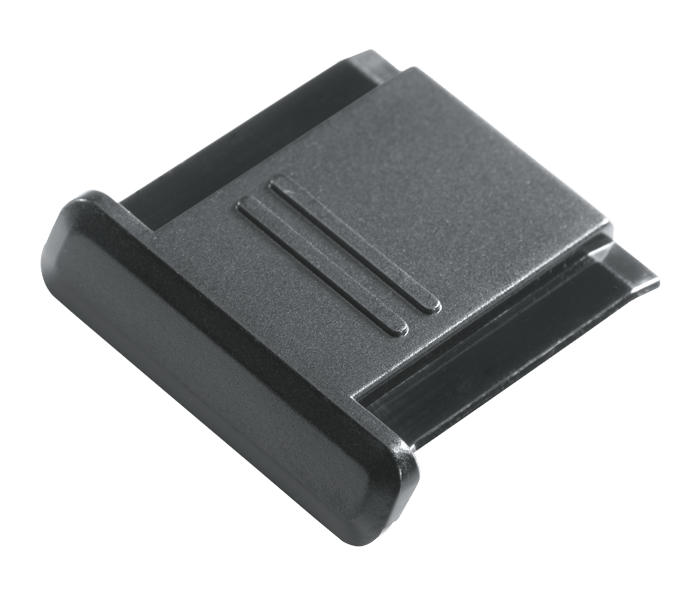
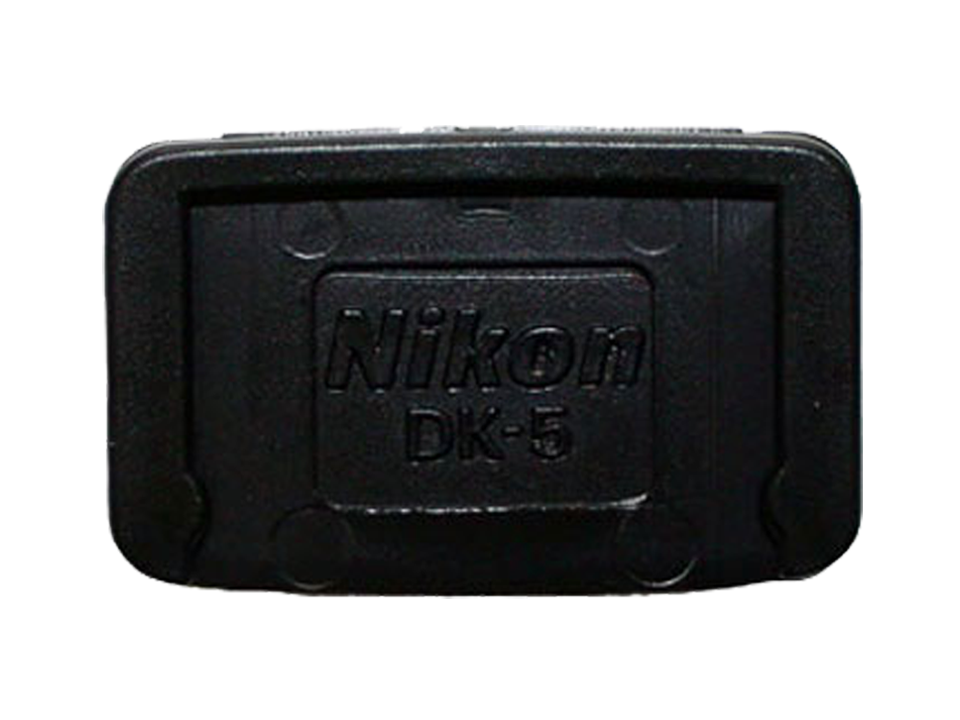
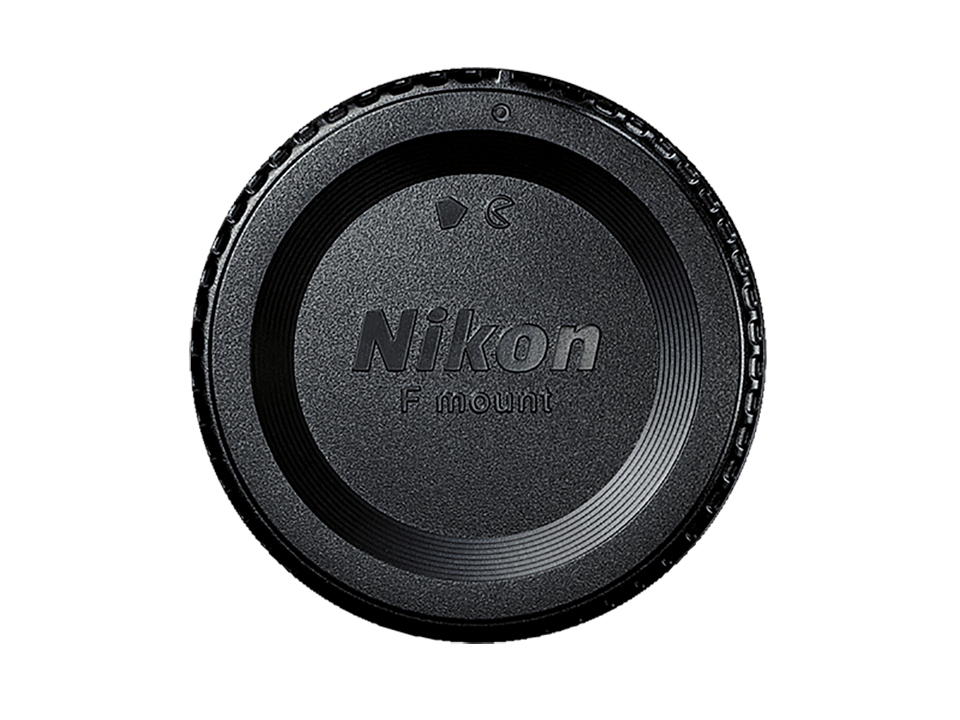
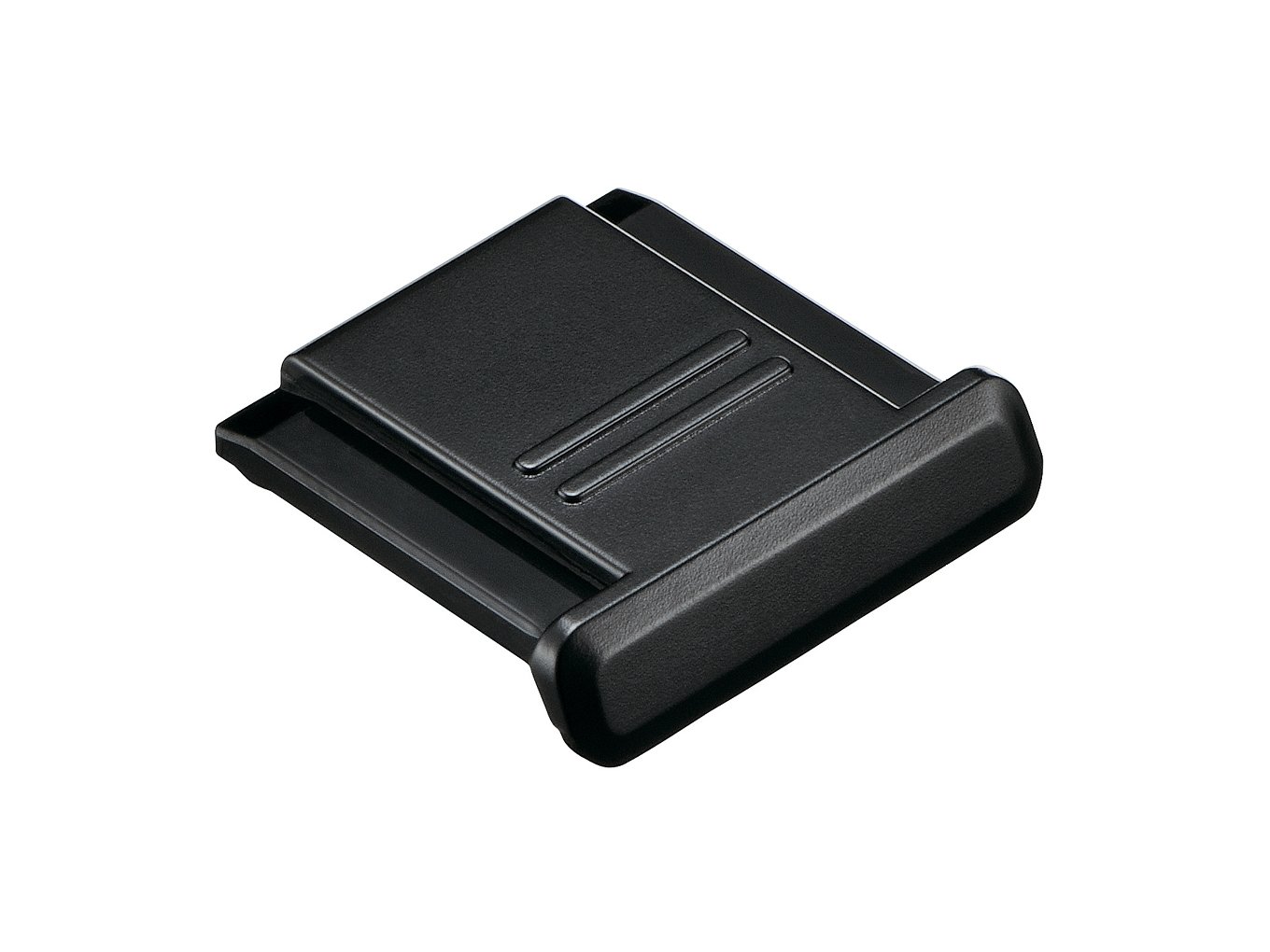
- EN-EL14 battery, MH-24 charger, DK-5 eyepiece cap, DK-20 eyecup, AN-DC3 strap, BF-1B body cap, BS-1 shoe cover, ViewNX 2 CD-ROM and two ferrite cores for separately supplied USB/audio-video cables
Pros and cons
Pros
- Guide mode explains shooting settings with example images
- RAW recording and optical viewfinder
- Body weighs 455 g before battery and card
Cons
- Autofocus requires a lens with its own motor
- Fixed low-resolution screen and contrast-detection live-view autofocus
- Video uses a mono microphone without external microphone input
Closest rivals
Model | Type | Sensor | Megapixels | Lens | Video | Body weight | Released |
|---|---|---|---|---|---|---|---|
| DSLR | APS-C | 14.2 | Sony A-mount | – | 456 g | Jul 2010 | |
| DSLR | APS-C | 14.2 | Sony A-mount | – | 497 g | Jul 2010 | |
| DSLR | APS-C | 14.2 | Sony A-mount | – | 520 g | Feb 2010 |


Newer model: D3200.
Sources
- nij.nikon.com/products/lineup/slr/d3100/spec.html
- nij.nikon.com/products/lineup/slr/d3100
- nikonusa.com/p/d3100/25472/overview
- jp.nikon.com/company/news/2010/0819_d3100_02
Photo: Nikon USA front photograph with AF-S DX 18–55mm VR lens; lens is not part of body specifications
- D3100 Black front oblique with AF-S DX 18–55mm VR lens: Nikon official product photograph
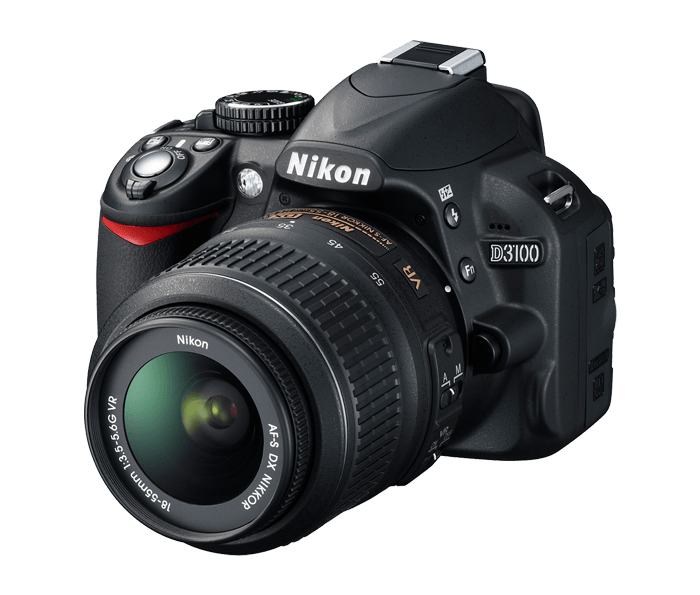
- D3100 Black opposite front oblique with AF-S DX 18–55mm VR lens: Nikon official product photograph
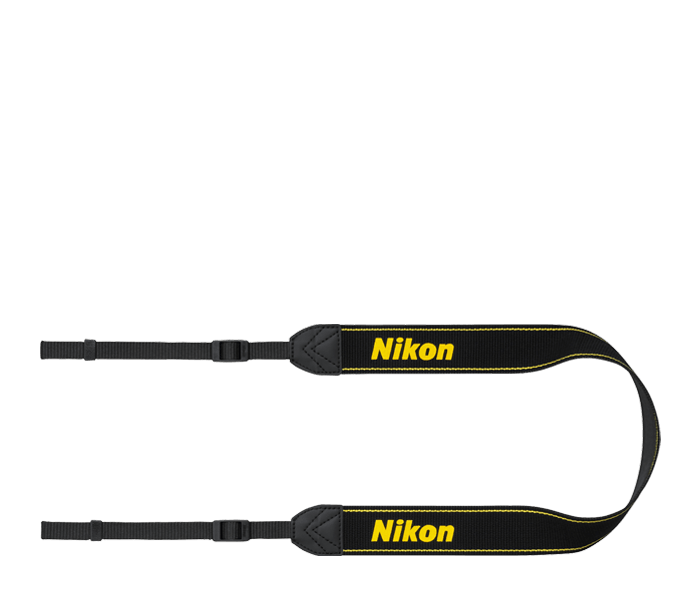
- Supplied AN-DC3 Black strap, extended: Nikon official product photograph
- D3100 Red front with AF-S DX 18–55mm VR lens: Nikon official product photograph
- Supplied DK-5 eyepiece cap, oblique: Nikon official product photograph
- Supplied DK-20 rubber eyecup: Nikon official product photograph
- Supplied EN-EL14 battery: Nikon official product photograph
- Supplied MH-24 charger: Nikon official product photograph
- Supplied BF-1B cap, F mount engraving: Nikon official product photograph
- Supplied BS-1 shoe cover: Nikon official product photograph
- Supplied DK-5 eyepiece cap, straight front: Nikon official product photograph
- Supplied AN-DC3 Red strap, extended: Nikon official product photograph
- Supplied BF-1B cap, alternative engraving: Nikon official product photograph
- Supplied BS-1 shoe cover, opposite oblique: Nikon official product photograph