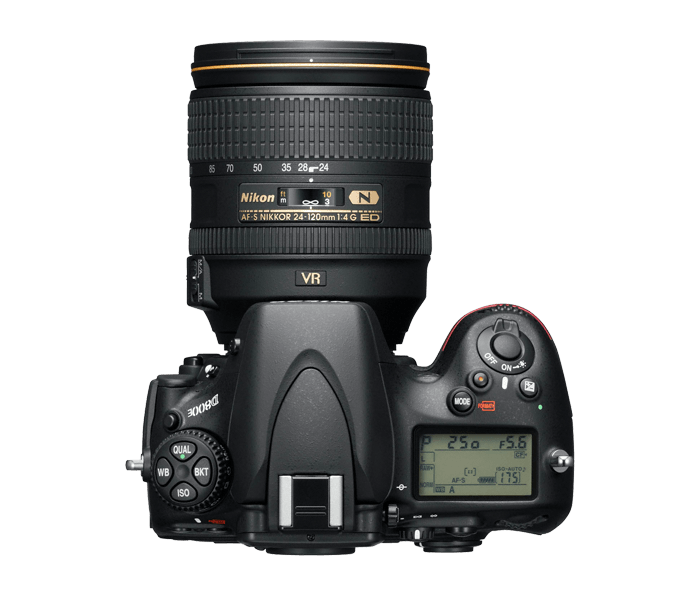
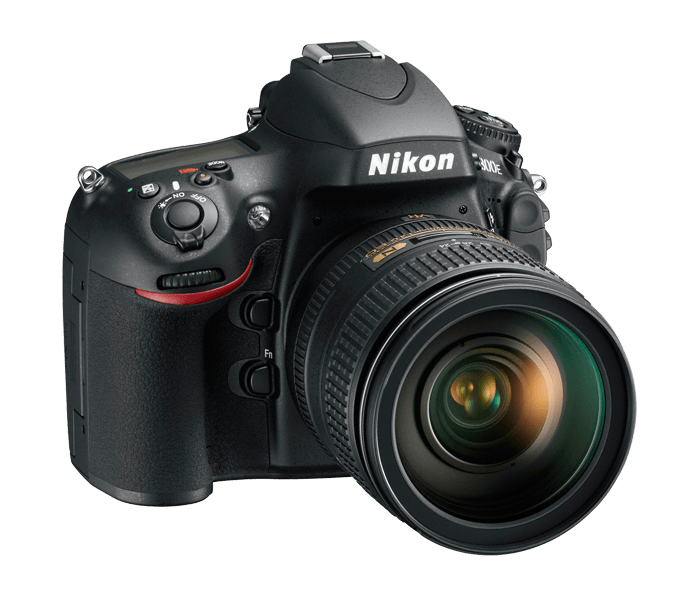
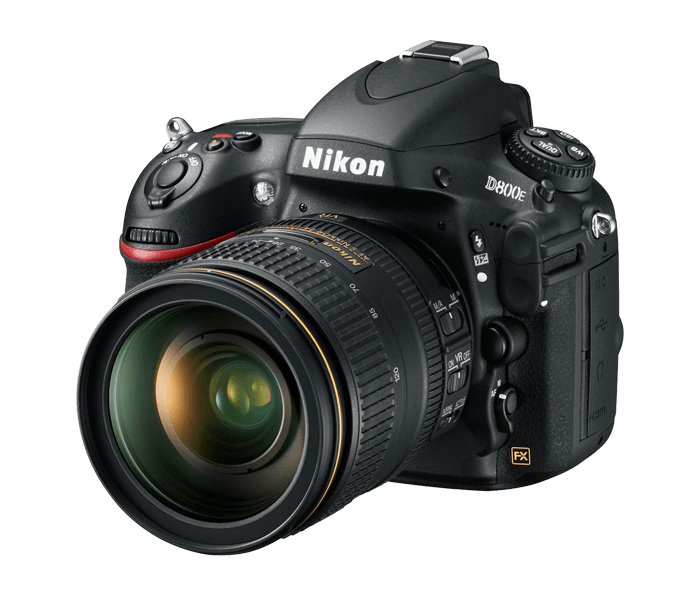
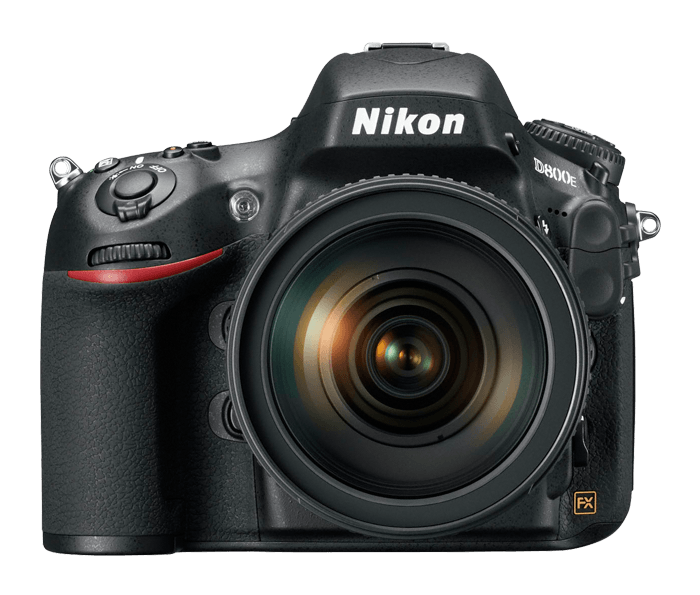
Nikon D800E · Nikon USA product photograph with attached lens; lens excluded from body specifications
Nikon · Nikon DSLR
D800E
A 36.3-megapixel full-frame DSLR with cancelled low-pass filtering, 51-point autofocus and 1080p video.
- Type
- DSLR
- Sensor
- Full frame
- Megapixels
- 36.3
- Lens
- Nikon F mount
- Video
- 1920 × 1080 at 30 fps
- Body weight
- 900 g
What reviewers say
Both praise high detail, dynamic range and responsive handling, finding a small sharpness advantage over the D800. Photography Blog recommends the premium for maximum resolution and finds moiré uncommon outside fine patterns. DPReview stresses optimal apertures and meticulous technique, finding the difference largely disappears when stopped down; it also criticises slow live-view autofocus and limited burst speed.
From photographyblog.com and dpreview.com
Specifications
Report a wrong or missing specImage and sensor
- Camera type
- DSLR
- Sensor format
- Full frame
- Sensor type
- CMOS
- Sensor dimensions
- 35.9 × 24 mm
- Effective resolution
- 36.3 MP
- Largest image
- 7360 × 4912
- RAW recording
- Yes
- Standard ISO range
- 100–6400
- Sensor detail
- FX CMOS with 36.3 million effective pixels and 36.77 million total in Japan, rounded to 36.8 million USA; Optical low-pass filter stack cancels the aliasing/moiré reduction effect rather than removing all filter glass; Nikon warns of more noticeable moiré and false colour with some subjects. IR/anti-reflection coating remains the same as D800. Image Sensor Cleaning and Image Dust Off reference data. FX 7360 × 4912; 1.2× crop 6144 × 4080; DX 4800 × 3200; 5:4 crop 6144 × 4912
- Image formats
- 12-bit or 14-bit NEF RAW, uncompressed, lossless-compressed or compressed; TIFF RGB, JPEG Fine/Normal/Basic with size-priority or optimal-quality compression, simultaneous RAW/JPEG; adjustable/custom Picture Controls and in-camera RAW processing
- ISO detail
- Standard ISO 100–6400 in one-third, half or whole stops; Lo expansion down to ISO 50 equivalent and Hi expansion up to ISO 25600 equivalent; automatic sensitivity control
- Image processor
- EXPEED 3
Lens and shooting
- Lens mount
- Nikon F mount
- Stabilisation
- Optical lens stabilisation
- Maximum continuous burst
- 4 fps
- Lens detail
- F mount with body AF coupling and contacts; G/D, other AF and AI-P lenses with restrictions; non-CPU AI lenses usable in A/M with registered lens data, DX lenses use DX crop. Non-AI, IX and F3AF lenses excluded
- Autofocus
- Advanced Multi-CAM3500FX phase detection with 51 points, 15 cross-type and 11 f/8-compatible points; -2 to +19 EV at ISO 100, 20°C; AF-S/AF-C, fine-tuning, single-point, dynamic nine/21/51, 3D tracking and auto-area. Live view uses contrast AF-S/AF-F and face/wide/normal/tracking areas; current USA AF-A listing conflicts with Japan's AF-S/AF-C modes
- Shutter
- Electronically controlled vertical-travel focal-plane shutter, 1/8000 to 30 seconds and Bulb; tested to 200000 cycles. X-sync 1/250 second, up to 1/320 with reduced flash range
- Burst detail
- Approximately 4 fps full FX or 5:4; 5 fps DX or 1.2× crop on EN-EL15. DX reaches 6 fps with optional MB-D12 using EN-EL18 or AA batteries, or an AC adapter; 1.2× remains 5 fps. Quiet single-frame, mirror-up and configurable self-timer modes
- Stabilisation detail
- VR depends on attached lens; no sensor-shift stabilisation
- Flash
- Built-in i-TTL pop-up flash, guide number approximately 12 m at ISO 100, 20°C; commander for two remote groups, hot shoe, PC sync terminal and compatible Auto FP Speedlights
- Exposure controls
- P/S/A/M; 91000-pixel RGB matrix, centre-weighted and spot metering; ±5 EV compensation, exposure/flash and white-balance bracketing; two-exposure HDR, interval timer and dual-axis virtual horizon. Japan centre-weighted default is 12 mm and spot range 2–20 EV; USA lists 8 mm and 0–20 EV
Video
- Highest video resolution
- 1920 × 1080 at 30 fps
- Video detail
- FX- or DX-based 1920 × 1080 at 30p/25p/24p; 1280 × 720 at 60p/50p/30p/25p; MOV H.264/MPEG-4 AVC and linear PCM audio. High quality up to 20 minutes, normal up to 29 min 59 s; time-lapse movies and uncompressed HDMI output. Photography Blog's 1920 × 1280 movie caption conflicts with Nikon's 1920 × 1080 specification; DPReview introductory VGA listing conflicts with the own maker specification
- Audio
- Built-in mono microphone; 3.5 mm external stereo input and headphone output; adjustable microphone sensitivity
Screen and viewfinder
- Viewfinder
- Optical
- Screen size
- 3.2″
- Screen dots
- 921,000
- Touchscreen
- No
- Tilting screen
- No
- Display detail
- Fixed 3.2-inch TFT, approximately 921000 dots USA/global or 920000 Japan; 170° viewing angle, approximately 100% coverage and automatic brightness adjustment; top status LCD, BM-12 protective cover and live view
- Viewfinder detail
- Pentaprism, approximately 100% FX coverage, 97% DX/1.2× and 100% vertical/97% horizontal 5:4 in Japan; USA gives 97% both axes for 5:4. Approximately 0.7× magnification with 50mm f/1.4 at infinity, 17 mm eyepoint, grid display and depth-of-field preview; current USA calls it a pentamirror, conflicting with the combined Japan pentaprism specification
Connections and design
- Battery life (maker's claim)
- 900 photographs
- Body weight
- 900 g
- Release detail
- April 2012 release month; Nikon Japan records actual first sale on 12 April, with global announcement dated 7 February. The regional day does not establish earliest worldwide sale; this model was co-marketed with D800
- Recording media
- One Type I CompactFlash slot with UDMA and one SD/SDHC/SDXC slot with UHS-I; overflow, backup, RAW/JPEG split and copying between cards
- Ports
- USB 3.0 Micro-B, mini HDMI Type C, 3.5 mm microphone and headphone sockets, PC sync and 10-pin remote/GPS terminal; optional UT-1 provides wired LAN
- Wireless connections
- No built-in Wi-Fi or GPS; optional WT-4 networking or WT-5 with UT-1, GP-1 GPS and WR-R10 with WR-A10 adapter or WR-1 remote. Current Japan lists later accessory support
- Battery life detail
- EN-EL15, approximately 900 CIPA shots; optional MB-D12 takes EN-EL15, EN-EL18 with BL-5 cover or eight AA cells. Japan gives 1400 shots for grip EN-EL18 or 1000 with alkaline AA, without simultaneously counting the body's battery
- Charging
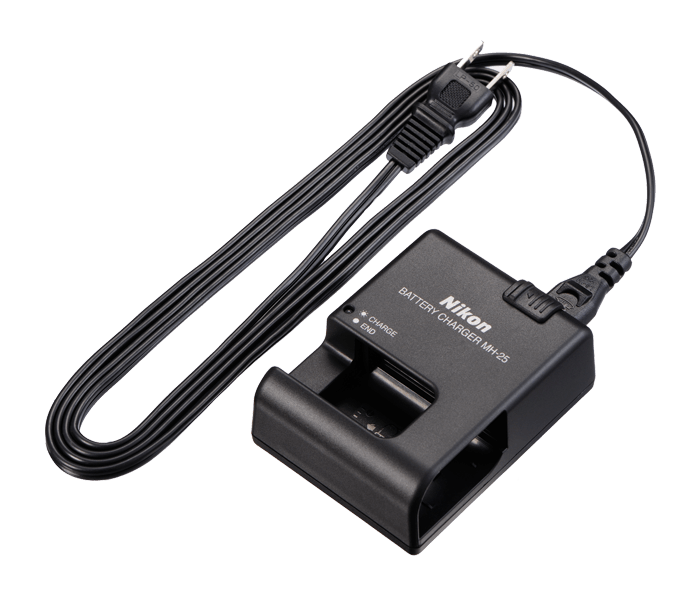
- External MH-25 charger; optional EH-5b AC adapter with EP-5B connector
- Dimensions
- Approximately 146 × 123 × 81.5 mm Japan; current USA gives 144.78 × 121.92 × 81.28 mm
- Weight detail
- Approximately 900 g body only; 1000 g with battery and SD card, excluding body cap
- Materials
- Magnesium-alloy body with dust/water-resistant sealing
- Colours
- Black
- In the box
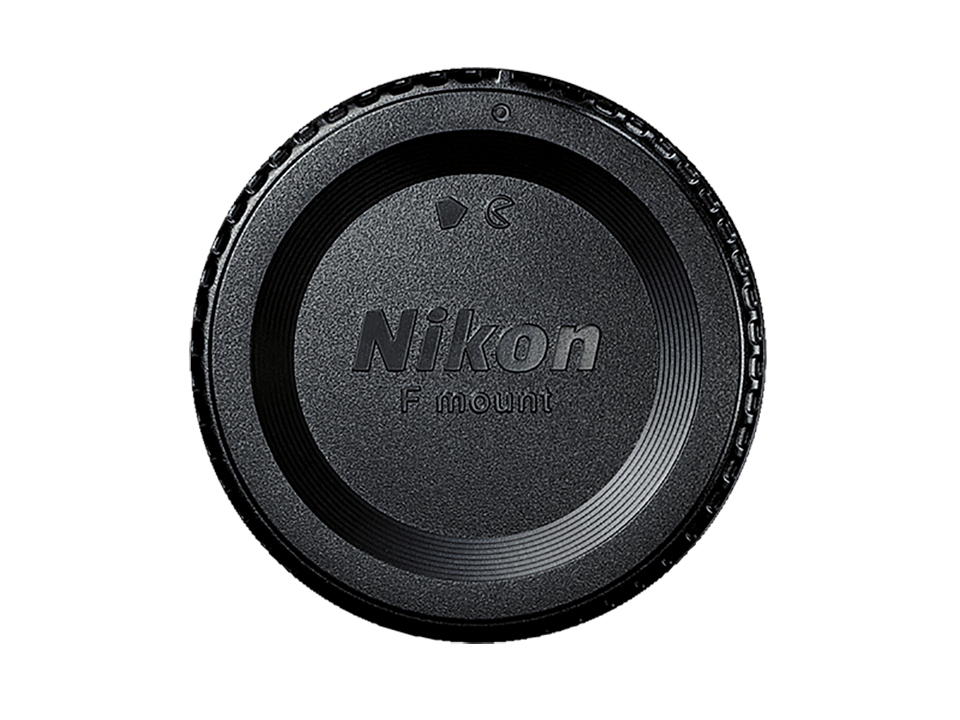
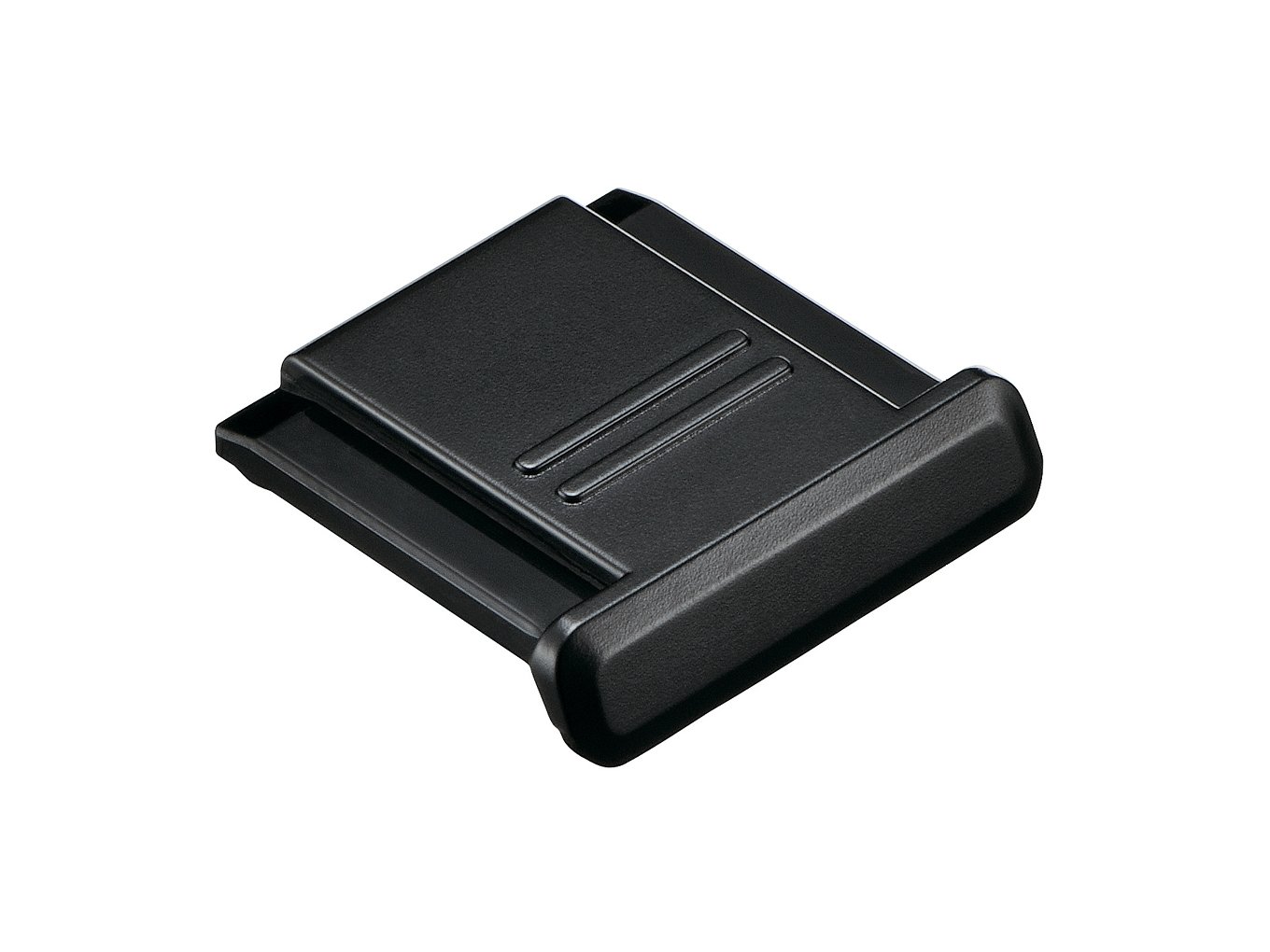
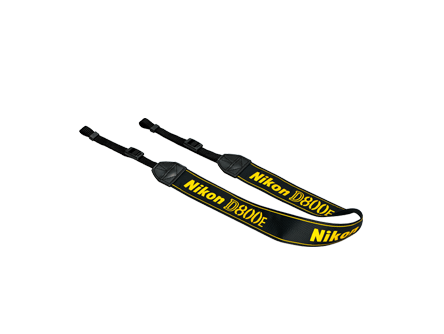
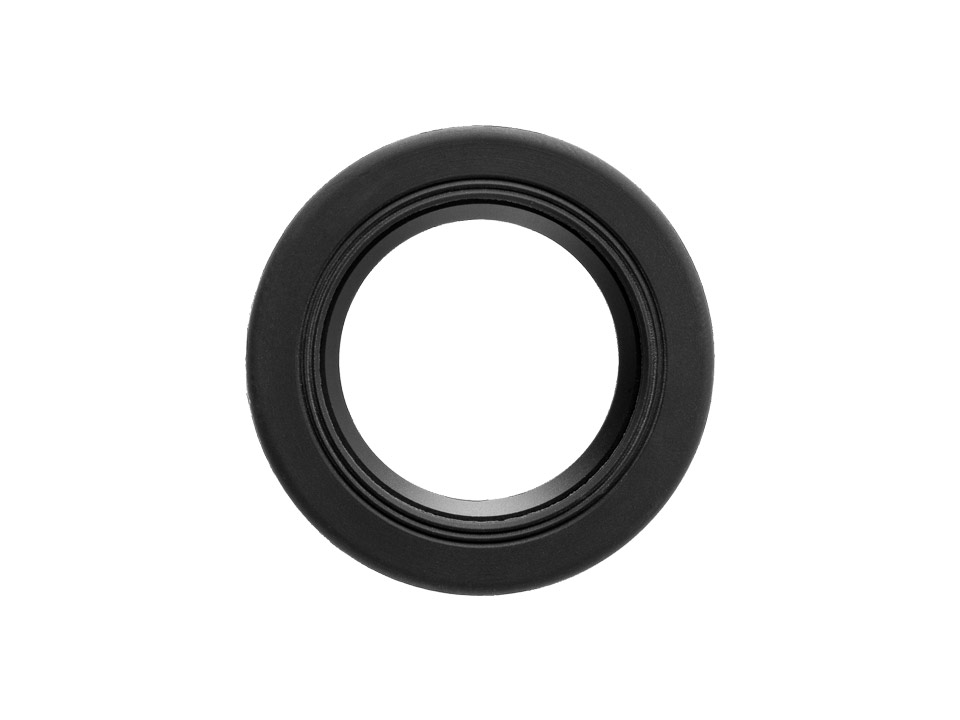
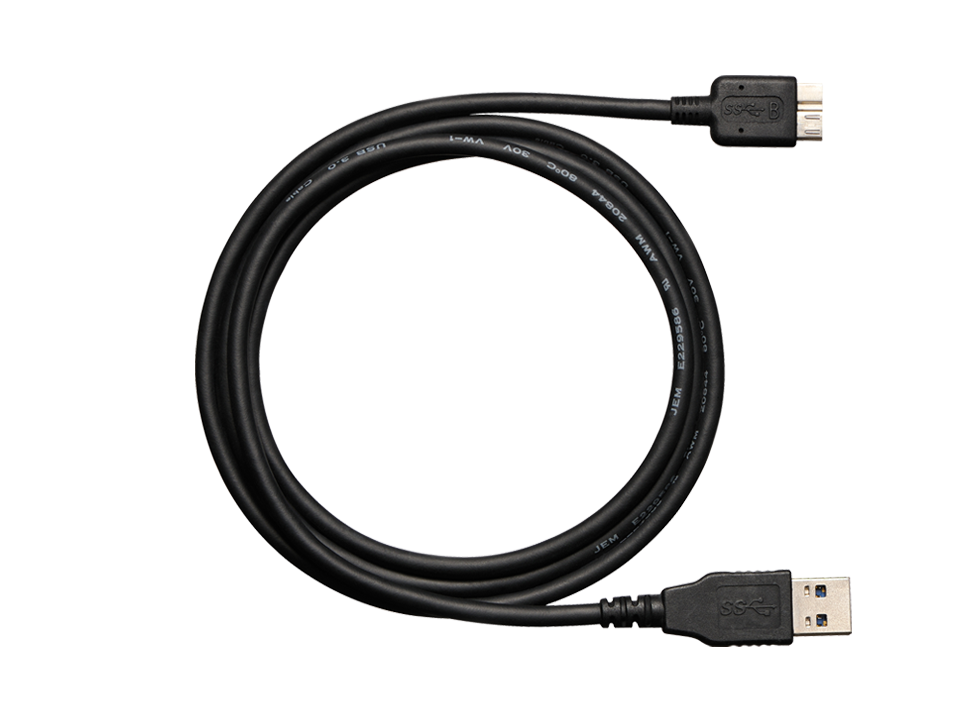
- EN-EL15, MH-25, DK-17 eyepiece, UC-E14 USB cable and clip, AN-DC6E strap, BM-12 monitor cover, BF-1B body cap, BS-1 shoe cover and ViewNX 2 CD-ROM (Japan D800E package)
Pros and cons
Pros
- Full-frame sensor records 7360 × 4912 images without optical anti-aliasing blur
- 100% pentaprism viewfinder and dual card slots
- USB 3.0, microphone, headphone and HDMI connections
Cons
- Full-resolution continuous shooting limited to 4 fps
- Fixed screen without touch controls
- Fine repeating patterns can produce moiré and false colour
Closest rivals
Model | Type | Sensor | Megapixels | Lens | Video | Body weight | Released |
|---|---|---|---|---|---|---|---|
| DSLR | Full frame | 16.2 | Nikon F mount | 1920 × 1080 at 30 fps | 1180 g | Mar 2012 | |
| DSLR | Full frame | 24.3 | Nikon F mount | 1920 × 1080 at 30 fps | 760 g | Sept 2012 | |
| DSLR | Full frame | 36.3 | Nikon F mount | 1920 × 1080 at 30 fps | 900 g | Mar 2012 |


Sources
- nij.nikon.com/products/lineup/slr/d800d800e/spec.html
- nij.nikon.com/products/lineup/slr/d800d800e
- nikonusa.com/p/d800e/25498/overview
- nikon.com/company/news/2012/0207_dslr_01
Photo: Nikon USA product photograph with attached lens; lens excluded from body specifications
- D800E top with 24–120mm VR lens: Nikon official D800E photograph
- D800E front oblique with 24–120mm VR lens: Nikon official D800E photograph
- D800E opposite front oblique with 24–120mm VR lens: Nikon official D800E photograph
- Supplied MH-25 charger with published US-plug mains lead: Nikon official D800E photograph; item eligibility from exact D800 maker supplied-item section
- Supplied Li-ionリチャージャブルバッテリー EN-EL15: Nikon official D800E photograph; item eligibility from exact D800 maker supplied-item section
- Supplied バッテリーチャージャー MH-25|ブラック: Nikon official D800E photograph; item eligibility from exact D800 maker supplied-item section
- Supplied ボディーキャップ BF-1B | ブラック: Nikon official D800E photograph; item eligibility from exact D800 maker supplied-item section
- Supplied アクセサリーシューカバー BS-1: Nikon official D800E photograph; item eligibility from exact D800 maker supplied-item section
- Supplied ストラップ AN-DC6E(D800E付属品): Nikon official D800E photograph; item eligibility from exact D800 maker supplied-item section
- Supplied アイピース DK-17|ブラック: Nikon official D800E photograph; item eligibility from exact D800 maker supplied-item section
- Supplied USBケーブル UC-E14|ブラック: Nikon official D800E photograph; item eligibility from exact D800 maker supplied-item section