Samsung HW-Q800H vs Sony BRAVIA Theatre Bar 7
Better figure, where one is clearly better
| SamsungHW-Q800H | SonyBRAVIA Theatre Bar 7 | |
|---|---|---|
| Overview | ||
| Released | 2026 | 2026 |
| Sound | ||
| Type | Soundbar | Soundbar |
| Channels | 5.1.2 | 5.0.2 |
| Dolby Atmos | Yes | Yes |
| Drivers | 11 drivers; centre, side and upward-firing speakers with an included wireless subwoofer; no front wide-firing speakers or rear speakers included | Nine drivers; two 45 × 108 mm front woofers, two 16 mm soft-dome tweeters, one 46 × 54 mm centre driver, two 46 × 54 mm side drivers and two 46 × 54 mm up-firing drivers; four passive radiators |
| Amplifiers | – | Nine-channel S-Master digital amplification; Sony Japan specifies 405 W total maximum practical output, measured with channels driven separately under JEITA rather than simultaneous continuous output |
| Audio formats | Dolby Atmos Music, Dolby Atmos, Dolby Digital, Dolby Digital Plus, Dolby TrueHD, Eclipsa Audio and multichannel LPCM; MP3, AAC, OGG, FLAC, WAV, ALAC and AIFF. The UK page's generic eARC text mentions DTS:X, but its audio-format table does not; the model's manual lists Atmos only and warns DTS support varies by model and region. Les Numériques and Spider's Web report no DTS support | Dolby Atmos, Dolby TrueHD, Dolby Digital Plus, Dolby Digital, DTS:X, DTS-HD Master Audio, DTS-HD High Resolution Audio, DTS-ES, DTS 96/24 and LPCM up to 7.1 over HDMI input/eARC; ARC supports fewer formats; IMAX Enhanced requires compatible optional speakers |
| Room tuning | SpaceFit Sound Pro automatic calibration using the soundbar microphone; AI Adaptive Sound, Active Voice Amplifier Pro, Sound Elevation, Auto Volume, Voice Enhancement, Night Mode, Moderate Bass and Virtual surround. Auto Volume requires Q-Symphony off; Sound Elevation requires Sound Grouping and Private Rear off | Sound Field Optimization and 360 Spatial Sound Mapping; Voice and Night modes; DSEE Ultimate; Voice Zoom 3 requires a compatible BRAVIA TV and TV input |
| Connections | ||
| Wi-Fi | Yes | Yes |
| Bluetooth | Yes | Yes |
| AirPlay | Yes | Yes |
| HDMI eARC | Yes | Yes |
| Voice assistants | Alexa | None |
| Wi-Fi | – | IEEE 802.11a/b/g/n/ac/ax |
| Bluetooth | Bluetooth 5.3 audio streaming | Bluetooth 6.0 receiver; SBC, AAC and LDAC; A2DP and AVRCP |
| Ports | One HDMI input with 4K 60 Hz and HDR10+ passthrough, one HDMI eARC/ARC output with CEC, one optical input; no USB music playback. Les Numériques reports no analogue input or Ethernet; VRR and ALLM reports conflict between Les Numériques and RTINGS, so their support is unconfirmed | One HDMI input and one HDMI eARC/ARC output; 4K/120 Hz and 8K/60 Hz passthrough, Dolby Vision, HLG, VRR and ALLM; USB-A is for service only, not music playback |
| Streaming | AirPlay, Google Cast, Spotify Connect, Tidal Connect, Roon Ready and Bluetooth; Roon requires a Roon core server | Apple AirPlay and Spotify Connect; Bluetooth audio |
| Multi-room | Q-Symphony combines compatible Samsung TV and audio-device speakers. Wireless Dolby Atmos TV transmission requires compatible 2022–2026 Samsung TVs. Samsung Music Studio 7 speakers are sold separately | AirPlay can stream to several speakers; compatible Sony wireless subwoofers and rear speakers are optional, with two subwoofers supported subject to compatible models and software |
| App | SmartThings and Samsung Sound app; Wi-Fi streaming setup requires a Samsung account. Group Play supports up to ten compatible devices on the same 5 GHz Wi-Fi network | Sony | BRAVIA Connect for initial setup, room optimisation and settings; smartphone and internet connection required |
| Design | ||
| Weight | 5.1 kg | 4.6 kg (better) |
| Controls | Included remote control, SmartThings or Samsung Sound app, HDMI CEC and compatible Samsung One Remote; seven-band EQ in Standard mode | Power button on the bar; supplied remote with Sound Field, Voice and Night modes; HDMI CEC links TV power and volume controls |
| Microphones | Built-in microphone for room calibration and voice features. Alexa is maker-listed and confirmed built in by Les Numériques; Works with Google requires an external compatible device, rather than a built-in Google Assistant; no Bixby | Sony Japan lists a built-in calibration microphone; the English guide states that speaking to the bar is unsupported, with Siri streaming controlled through a separate iOS device |
| Mounting | Wall-mount bracket included | Supplied wall brackets and template; supplied feet raise the bar to 74 mm |
| Size | Soundbar 1110.7 × 60.4 × 120 mm; subwoofer 249 × 251.8 × 249 mm (width × height × depth). Main weight is the soundbar only; subwoofer 7.2 kg | 950 × 64 × 125 mm (W × H × D), excluding protrusions; 4.6 kg is the bar alone; with wall brackets 950 × 66 × 135 mm and 4.9 kg |
| Colours | Black | Black |
| In the box | Soundbar, wireless subwoofer, remote control and wall-mount bracket; each component requires mains power | Bar speaker, remote control, HDMI cable, AC power cord, two feet, two wall brackets, two screws, wall-mount template and documents; batteries and AC plug adaptor vary by region |

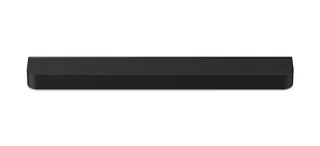
More comparisons
- Samsung HW-Q800H vs Sonos Beam Ultra
- Sonos Beam Ultra vs Sony BRAVIA Theatre Bar 7
- Samsung HW-Q800H vs Samsung HW-Q990H
- Samsung HW-Q800H vs Samsung HW-Q930H
- Samsung HW-Q600H vs Samsung HW-Q800H
- JBL Bar 1000MK2 vs Samsung HW-Q800H
- JBL Bar 500MK2 vs Samsung HW-Q800H
- Samsung HW-Q800H vs Sony BRAVIA Theatre Bar 8
- Sony BRAVIA Theatre Bar 7 vs Sony BRAVIA Theatre Bar 8
- Samsung HW-Q800H vs Samsung HW-QS90H
- Sony BRAVIA Theatre Bar 5 vs Sony BRAVIA Theatre Bar 7
- Sony BRAVIA Theatre Bar 6 vs Sony BRAVIA Theatre Bar 7
- LG US90TY vs Samsung HW-Q800H
- Samsung HW-Q600H vs Sony BRAVIA Theatre Bar 7
- Samsung HW-Q930H vs Sony BRAVIA Theatre Bar 7
- Sony BRAVIA Theatre Bar 7 vs Sony BRAVIA Theatre Bar 9