Home Headphones beyerdynamic DT 770 PRO beyerdynamic
Released 1985
The DT 770 PRO are beyerdynamic's closed-back studio monitoring headphones, made in Germany since 1985 and sold in 32, 80 and 250-ohm versions for mobile, studio and professional equipment.
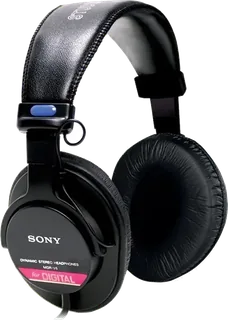
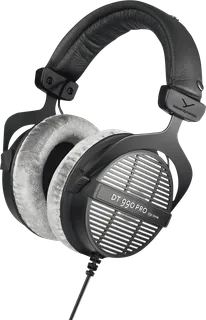
Compare with another pair of headphones Compare with… Sony MDR-R10 (1988) Sony MDR-V6 (1985) beyerdynamic DT 990 PRO (1985) K361 (2019) K371 (2019) K872 (2016) K712 PRO (2013) K702 (2008) K701 (2005) Space 2 (2026) AeroFit 2 Pro (2026) Liberty 5 (2025) AeroFit 2 (2024) Liberty 4 Pro (2024) Space One Pro (2024) P40i (2024) Space One (2023) Liberty 4 NC (2023) Space Q45 (2022) AirPods 5 (2026) AirPods 5 with Wireless Charging Case (2026) AirPods Max 2 (2026) AirPods Pro 3 (2025) AirPods 4 (2024) AirPods 4 with Active Noise Cancellation (2024) AirPods Max (USB-C) (2024) AirPods Pro 2 (2023) EarPods (USB-C) (2023) AirPods (3rd generation) (2021) AirPods Max (Lightning) (2020) AirPods Pro (1st generation) (2019) AirPods (2nd generation) (2019) AirPods (1st generation) (2016) EarPods (Lightning Connector) (2016) EarPods (3.5mm Headphone Plug) (2012) MM-100 (2023) Maxwell (2023) MM-500 (2022) LCD-5 (2021) LCD-GX (2019) LCD-2 Classic (2017) LCD-X (2013) LCD-XC (2013) LCD-2 (2009) ATH-R50x (2025) ATH-ADX5000 (2017) ATH-R70x (2015) ATH-M40x (2014) ATH-M50x (2014) Beats 360 (2026) Powerbeats Fit (2025) Powerbeats Pro 2 (2025) Solo Buds (2024) Solo 4 (2024) Studio Pro (2023) Studio Buds + (2023) Fit Pro (2021) Studio Buds (2021) Beats Flex (2020) Powerbeats (2020) (2020) Solo Pro (2019) Powerbeats Pro (2019) Studio3 Wireless (2017) BeatsX (2017) urBeats3 (2017) Powerbeats3 Wireless (2016) Beats EP (2016) Solo3 Wireless (2016) Solo2 Wireless (2014) Solo2 (2014) Powerbeats2 Wireless (2014) Studio Wireless (2013) (2013) Tour2 (2013) Studio (2013) (2013) Executive (2012) urBeats (2012) (2012) Wireless (2011) (2011) Mixr (2011) Solo HD (2010) Beats Pro (2010) Powerbeats (2010) (2010) Solo (2009) (2009) Studio (2008) (2008) Tour (original) (2008) AMIRON 100 (2024) DT 1770 PRO MKII (2024) DT 770 PRO X Limited Edition (2024) DT 1990 PRO MKII (2024) Xelento remote (2nd generation) (2022) DT 700 PRO X (2021) DT 900 PRO X (2021) T1 (3rd generation) (2020) T5 (3rd generation) (2020) DT 1990 PRO (2016) DT 1770 PRO (2015) QuietComfort Headphones (2nd Gen) (2026) QuietComfort Ultra Headphones (2nd Gen) (2025) QuietComfort Ultra Earbuds (2nd Gen) (2025) QuietComfort Earbuds (2024) Ultra Open Earbuds (2024) QuietComfort Ultra Earbuds (2023) QuietComfort Ultra Headphones (2023) QuietComfort Headphones (2023) QuietComfort 45 (2021) Noise Cancelling Headphones 700 (2019) QuietComfort 35 II (2017) QuietControl 30 (2016) QuietComfort 35 (2016) QuietComfort 25 (2014) QuietComfort 20 (2013) QuietComfort 15 (2009) QuietComfort 3 (2006) QuietComfort 2 (2003) QuietComfort (2000) Px8 S2 (2025) Px7 S3 (2025) Pi8 (2024) E3 (2023) EXPANSE (2022) STEALTH (2021) AEON 2 Noire (2021) Bathys MG (2025) Azurys (2024) Hadenys (2024) Utopia (2022) Clear MG (2021) Clear Mg Professional (2021) Celestee (2021) Radiance (2020) Stellia (2019) Elegia (2018) Elear (2016) Pixel Buds Pro 2 (2024) Pixel Buds Pro (2022) GS1000 Classic (2026) Hemp Classic (2026) RS1 Classic (2026) SR325 Classic (2026) SR80 Classic (2026) SUSVARA UNVEILED (2024) ANANDA NANO (2023) Arya Organic (2023) HE1000 Stealth Magnet (2023) SUNDARA Closed-Back (2022) ANANDA Stealth Magnet (2022) DEVA Pro (2021) Edition XS (2021) Arya Stealth Magnets (2021) HE400se (2021) HE6se V2 (2020) SUNDARA (2018) SUSVARA (2017) Live Beam 4 (2026) Live 780NC (2026) Tune 780NC (2025) Sense Pro (2025) Tour One M3 (2025) Tour Pro 3 (2024) Live Beam 3 (2024) Live 770NC (2023) Tune 770NC (2023) Tune 720BT (2023) Live Pro 2 TWS (2022) 99 Classics (2nd Gen) (2025) POET (2025) Liric (2nd Gen) (2024) Empyrean II (2023) 109 PRO (2022) Elite (2021) Ear (3) (2025) Headphone (1) (2025) Ear (2024) Galaxy Buds4 (2026) Galaxy Buds4 Pro (2026) Galaxy Buds3 Pro (2024) Galaxy Buds2 Pro (2022) MOMENTUM True Wireless 5 (2026) MOMENTUM 5 Wireless (2026) HDB 630 (2025) HD 550 (2025) HD 505 (2025) HD 620S (2024) ACCENTUM Plus Wireless (2024) HD 490 PRO (2024) HD 660S2 (2023) IE 200 (2023) MOMENTUM 4 Wireless (2022) IE 600 (2022) HD 400 PRO (2021) IE 900 (2021) IE 100 PRO (2021) IE 300 (2021) HD 560S (2020) MOMENTUM 3 Wireless (2019) HD 820 (2018) HD 660S (2017) HD 599 (2016) HD 800 S (2016) MOMENTUM 2 Wireless (2015) MOMENTUM (2012) HD 800 (2009) HD 280 PRO (2003) HD 650 (2003) HD 600 (1997) HD 25 (1988) Ace Ultra (2026) Ace (2024) WH-1000XM4C (2026) WH-CH730N (2026) 1000X THE COLLEXION (WH-1000XX) (2026) WF-1000XM6 (2026) INZONE H9 II (2025) WH-1000XM6 (2025) WF-C710N (2025) LinkBuds Fit (2024) LinkBuds Open (2024) MDR-M1 (2024) WF-C510 (2024) ULT WEAR (WH-ULT900N) (2024) INZONE Buds (2023) INZONE H5 (2023) WF-1000XM5 (2023) MDR-MV1 (2023) WF-C700N (2023) WH-CH520 (2023) WH-CH720N (2023) INZONE H3 (2022) INZONE H7 (2022) INZONE H9 (2022) LinkBuds S (2022) WH-1000XM5 (2022) WF-C500 (2021) WF-1000XM4 (2021) WH-1000XM4 (2020) WH-CH710N (2020) WF-1000XM3 (2019) WH-CH510 (2019) WH-1000XM3 (2018) WF-SP700N (2018) WH-CH700N (2018) WF-1000X (2017) WH-1000XM2 (2017) MDR-1000X (2016) MDR-1A (2014) MDR-1R (2012) MDR-7506 (1991) MDR-CD3000 (1991) Arctis Nova Pro Omni (2026) Arctis Nova 5 Wireless (2024) EAH-AZ100 (2025)
Type Over-ear
Noise cancelling No
Battery –
With case –
Best codec Wired
Weight 270 g What reviewers say Reviewers agree the DT 770 Pro is a durable, comfortable and good-value studio workhorse with low distortion. RTINGS measured a bright tuning whose prominent treble can tire over long sessions but helps with editing, while MusicRadar found it neutral; MusicRadar also found it bulky and not built for travel, as it doesn't fold.
From musicradar.com and rtings.com
Sound
Type Over-ear
Noise cancelling No
Back Closed
Impedance 80 ohms
Bluetooth codecs None (wired)
Drivers Dynamic, closed, with bass reflex system; 5 – 35,000 Hz; nominal sound pressure level 96 dB; 32, 80 or 250 ohms Battery
Listening time (maker's claim) No battery (wired) Design
Weight 270 g
Headphone cable Yes
Fit and ear tips Circumaural, closed-back; replaceable ear pads (black leatherette on the 32-ohm version, silver-grey velour on the 80 and 250-ohm versions); headband pressure approx. 3.5 – 5.5 N
Works with 3.5 mm plug with 6.35 mm adapter; 1.6 m straight cable (32 ohms), 3 m straight cable (80 ohms) or 3 m coiled cable (250 ohms) Pros and cons Pros + Closed back isolates for recording and monitoring+ Choice of 32, 80 or 250-ohm versions+ 5 Hz to 35 kHz frequency responseCons − No detachable cable listed by beyerdynamic, unlike the DT 1990 PRO MKII− Firm clamping force (approx. 3.5 to 5.5 N)