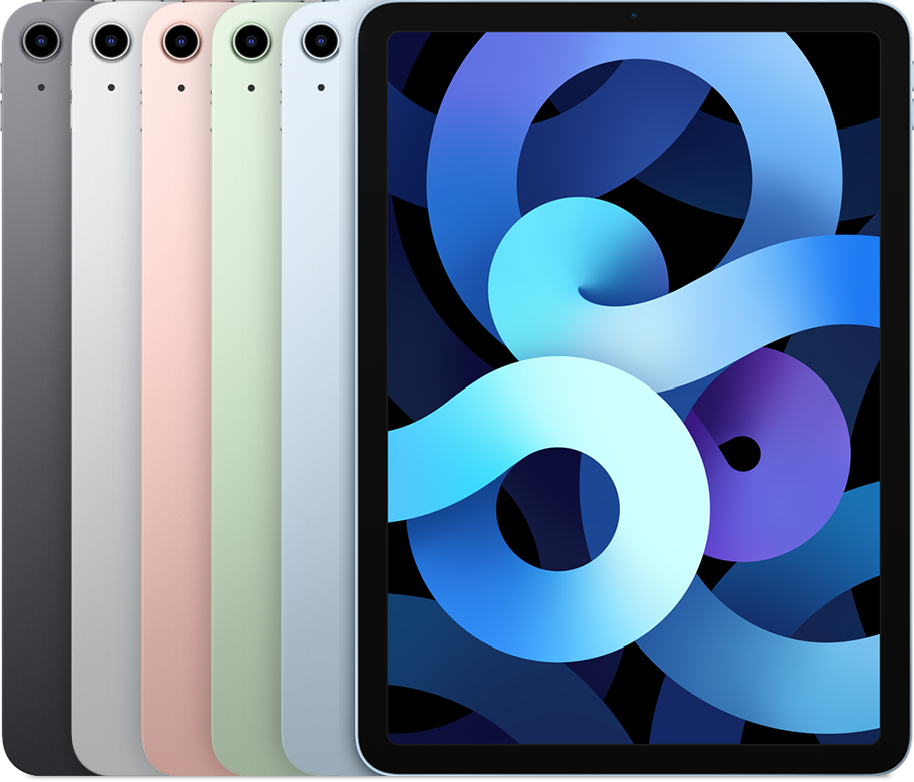
Apple · iPad Air
iPad Air (4th generation)
The 2020 10.9-inch iPad Air with an A14 Bionic chip, USB-C and Touch ID in the top button.
Model history · 8 models, 2010–2020
- 2010iPad (1st generation)Compare
- 2011iPad 2Compare
- 2012iPad (3rd generation)Compare
- 2012iPad (4th generation)Compare
- 2013iPad Air (1st generation)Compare
- 2014iPad Air 2Compare
- 2019iPad Air (3rd generation)Compare
- 2020iPad Air (4th generation)
- Screen
- 10.9″
- Display
- LCD
- Chip
- A14 Bionic
- Memory
- 4 GB
- Storage
- 64 GB – 256 GB
- Weight
- 458 g
What reviewers say
Reviews praise performance, screen quality and the modern design, while finding the accessories expensive. Notebookcheck criticises the small base storage.
From engadget.com and notebookcheck.net
Specifications
Report a wrong or missing specDisplay
- Screen size
- 10.9″
- Resolution
- 2360 × 1640
- Sharpness
- 264 pixels per inch
- Panel
- LCD
- Brightness
- 500 nits
- Display type
- Liquid Retina; LED-backlit IPS LCD; 10.86 inches measured diagonally as a rectangle
- Pixel density
- 264 ppi
- Display features
- P3 wide colour; True Tone; fully laminated; anti-reflective coating with 1.8% reflectivity; oleophobic coating
Performance
- Chip
- A14 Bionic
- Memory
- 4 GB
- Storage
- 64 GB, 256 GB
- CPU
- 6-core A14 Bionic; 4 GB RAM (Notebookcheck)
- GPU
- 4-core GPU
- AI engine
- 16-core Neural Engine
Cameras
- Rear camera
- 12 MP
- Ultra wide camera
- None
- Front camera
- 7 MP
- Rear camera
- Wide; f/1.8 five-element lens; backside illumination; hybrid IR filter; autofocus with Focus Pixels; wide colour and Live Photos; Smart HDR 3; panorama up to 63 MP; auto image stabilisation; burst; timer
- Front camera
- FaceTime HD; f/2.2; Retina Flash; wide colour capture; backside illumination; Smart HDR; auto image stabilisation; burst
- Video recording
- Rear 4K at 24, 30 or 60 fps; 1080p at 30 or 60 fps; slow-motion 1080p at 120 or 240 fps; stabilised time-lapse; cinematic stabilisation; continuous autofocus; front 1080p at 60 fps
Battery and connections
- Battery life (maker's claim)
- Up to 10 hours
- Battery capacity
- 28.6 Wh
- Mobile data option
- Yes
- Stylus
- Supported, sold separately
- Keyboard made for it
- Yes
- Battery life detail
- Up to 10 hours Wi-Fi browsing or video; nine hours cellular browsing
- Charging
- 20W USB-C power adapter supplied; charging via adapter or computer
- USB-C
- USB-C with charging and data transfer up to 5 Gb/s; external 4K displays; Smart Connector
- Wi-Fi
- Wi-Fi 6 (802.11ax); simultaneous dual band; HT80 with MIMO
- Bluetooth
- Bluetooth 5.0
- Mobile network
- Gigabit-class LTE; nano-SIM and eSIM; cellular model weighs 460 g
- Stylus support
- Apple Pencil (2nd generation) and Apple Pencil (USB-C), sold separately
- Keyboards
- Magic Keyboard and Smart Keyboard Folio, sold separately
Design
- Weight
- 458 g
- Thickness
- 6.1 mm
- Height × width
- 247.6 × 178.5 mm
- Operating system
- iPadOS
- Biometrics
- Touch ID in top button
- Speakers
- Landscape stereo speakers
- Microphones
- Dual microphones
- Sensors
- Three-axis gyro; accelerometer; barometer; ambient light; compass; iBeacon; GPS and GNSS on cellular model
- Materials
- 100% recycled aluminium enclosure
- Colours
- Silver, Space Grey, Rose Gold, Green, Sky Blue
- Software at launch
- iPadOS 14
- In the box
- iPad Air; USB-C charge cable (1 m); 20W USB-C power adapter
Storage options
| Storage |
|---|
| 64 GB |
| 256 GB |
Pros and cons
Pros
- Laminated P3 display with True Tone
- USB-C with external display support
- Supports Magic Keyboard and Apple Pencil (2nd generation)
Cons
- Starts with 64 GB storage
- No 3.5 mm headphone jack
- Storage cannot be expanded
Closest rivals
Model | Screen | Display | Chip | Memory | Storage | Weight | Released |
|---|---|---|---|---|---|---|---|
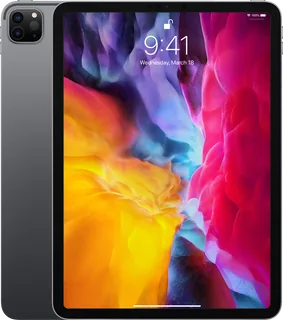
| 11″ | LCD, 120 Hz | A12Z Bionic | 6 GB | 128 GB – 1 TB | 471 g | Mar 2020 | |
| 10.86″ | LCD, 60 Hz | A14 Bionic | 4 GB | 64 GB – 256 GB | 477 g | Oct 2022 | |
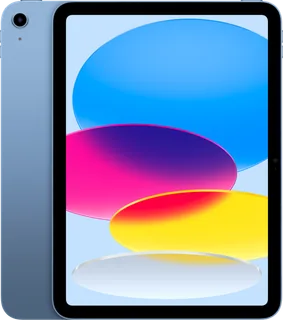
| 10.2″ | LCD | A12 Bionic | 3 GB | 32 GB – 128 GB | 490 g | Sept 2020 |

Previous model: iPad Air (3rd generation). Newer model: iPad Air (5th generation).
Sources
- support.apple.com/en-gb/111905
- apple.com/uk/newsroom/2020/10/all-new-ipad-air-with-advanced-a14-bionic-chip-av…
- notebookcheck.net/Apple-iPad-Air-4-2020-Review-The-Air-Tablet-moves-closer-to-t…
Photo: cdsassets.apple.com