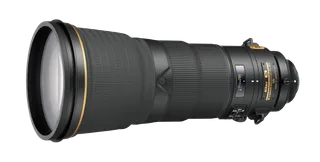
Nikon AF-S NIKKOR 400mm f/2.8E FL ED VR vs Nikon NIKKOR Z 24–105mm f/4–7.1
Better figure, where one is clearly better
| NikonAF-S NIKKOR 400mm f/2.8E FL ED VR | NikonNIKKOR Z 24–105mm f/4–7.1 | |
|---|---|---|
| Overview | ||
| Released | August 2014 | January 2026 |
| Optics | ||
| Lens type | Prime | Zoom |
| Focal length | 400 mm | 24–105 mm |
| Maximum aperture | f/2.8 | f/4–7.1 |
| Minimum aperture | f/22 | f/22–40 |
| Optical construction | 16 elements in 12 groups plus meniscus protective glass; Nikon Japan and the original US announcement do not list the two aspherical elements appended to the UK table | 12 elements in 10 groups; internal focusing |
| Special elements | Two fluorite elements and two ED elements | One ED and two aspherical elements |
| Aperture detail | – | f/4–22 at 24 mm and f/7.1–40 at 105 mm; displayed minimum aperture may vary with camera exposure increments |
| Coatings | Nano Crystal Coat; fluorine coating on the meniscus protective glass | – |
| Diaphragm | Nine rounded blades; electromagnetic aperture control | Seven rounded blades |
| Angle of view | FX 6°10′; DX 4° | FX 84°–23°10′; DX 61°–15°20′ |
| Mount and compatibility | ||
| Mounts | Nikon F mount | Nikon Z mount |
| Image circle | Full frame | Full frame |
| Compatibility | CPU-equipped E-type Nikon F lens; Nikon warns that some cameras restrict E-type lens operation | Native Nikon Z mount; full-frame FX image circle, also usable on DX cameras |
| Focus and stabilisation | ||
| Autofocus | Yes | Yes |
| Minimum focus distance | 2.6 m | 0.2 m |
| Maximum magnification | 0.17× | 0.5× |
| Optical stabilisation | Yes | No |
| Autofocus detail | Internal focusing with ultrasonic motor; autofocus and manual focus | Stepping motor; automatic or manual focusing |
| Focus distance detail | Minimum focal-plane distance 2.6 m; focus limiter selects FULL or infinity–6 m | Distances from focal plane; 0.2 m at 24/50 mm and 0.28 m at 105 mm |
| Magnification detail | Nikon Japan publishes 0.17×, used in the main specifications; the UK table gives 1/6.9 and Digital Camera World lists 0.14× | Maximum 0.5× at 70–105 mm; no separate AF/MF distinction published |
| Stabilisation detail | Lens-shift VR rated 4.0 stops under CIPA conditions in NORMAL mode on an FX DSLR; NORMAL and SPORT modes, with tripod vibration reduction supported | No optical VR, as confirmed by both reviews; stabilisation depends on the camera body |
| Design | ||
| Dust and moisture resistant | – | Yes |
| Filter diameter | 40.5 mm | 67 mm |
| Maximum diameter | 159.5 mm | 73.5 mm |
| Length | 358 mm | 106.5 mm |
| Weight | 3,800 g | 350 g (better) |
| Controls | – | Customisable control ring for focus, aperture, exposure compensation or ISO; AF/manual selection in camera menu |
| Zoom design | – | Barrel extends when zooming; focal-length markings 24, 35, 50, 70, 85 and 105 mm |
| Filter detail | 40.5 mm drop-in system, not a front screw-in thread | – |
| Weather resistance | Both reviews describe weather sealing; the maker specification pages used here do not publish a protection rating | Designed for dust and drip resistance, which is not guaranteed under every condition |
| Dimensions detail | Approximately 159.5 mm maximum diameter × 358 mm from the mount flange | Approximately 73.5 mm maximum diameter × 106.5 mm from mount flange |
| Weight detail | – | Approximately 350 g |
| Lens hood | – | Optional HB-93B; not included, as confirmed by both reviews |
| Tripod mount | Rotating tripod collar; the original maker announcement describes bearings for smooth rotation | – |
| In the box | Nikon UK lists slip-on front cap, LF-4 rear cap, HK-38 hood, 40.5 mm NC filter, CT-405 case, LN-2 strap and monopod collar | LC-67B front cap and LF-N1 rear cap; rear cap may differ in camera kits |
| Release detail | Nikon US specified August 2014 retail availability; Nikon Japan records 28 August 2014 release. Main month precision retains the earlier unspecified US availability within that month | US maker states mid-January 2026; earliest exact retail day or first UK day unconfirmed, so month precision retained |

More comparisons
- Nikon NIKKOR Z 24–105mm f/4–7.1 vs Nikon NIKKOR Z 70–200mm f/2.8 VR S II
- Nikon AF-S NIKKOR 400mm f/2.8E FL ED VR vs Nikon NIKKOR Z 70–200mm f/2.8 VR S II
- Nikon NIKKOR Z 24–105mm f/4–7.1 vs Nikon NIKKOR Z 24-200mm f/4-6.3 VR
- Nikon NIKKOR Z 24–105mm f/4–7.1 vs Nikon NIKKOR Z 24-50mm f/4-6.3
- Nikon NIKKOR Z 24–105mm f/4–7.1 vs Nikon NIKKOR Z 24-120mm f/4 S
- Nikon NIKKOR Z 24–105mm f/4–7.1 vs Nikon NIKKOR Z 24-70mm f/2.8 S II
- Nikon NIKKOR Z 24–105mm f/4–7.1 vs Nikon NIKKOR Z 28-135mm f/4 PZ
- Nikon NIKKOR Z 24–105mm f/4–7.1 vs Nikon NIKKOR Z DX 16–50mm f/2.8 VR
- Nikon NIKKOR Z 24–105mm f/4–7.1 vs Nikon NIKKOR Z DX MC 35mm f/1.7
- Nikon NIKKOR Z 24–105mm f/4–7.1 vs Nikon NIKKOR Z 35mm f/1.2 S
- Nikon NIKKOR Z 24–105mm f/4–7.1 vs Nikon NIKKOR Z 50mm f/1.4
- Nikon NIKKOR Z 24–105mm f/4–7.1 vs Nikon NIKKOR Z 35mm f/1.4
- Nikon NIKKOR Z 24–105mm f/4–7.1 vs Nikon NIKKOR Z 28-400mm f/4-8 VR
- Nikon NIKKOR Z 135mm f/1.8 S Plena vs Nikon NIKKOR Z 24–105mm f/4–7.1
- Nikon NIKKOR Z 24–105mm f/4–7.1 vs Nikon NIKKOR Z 600mm f/6.3 VR S
- Nikon NIKKOR Z 180-600mm f/5.6-6.3 VR vs Nikon NIKKOR Z 24–105mm f/4–7.1