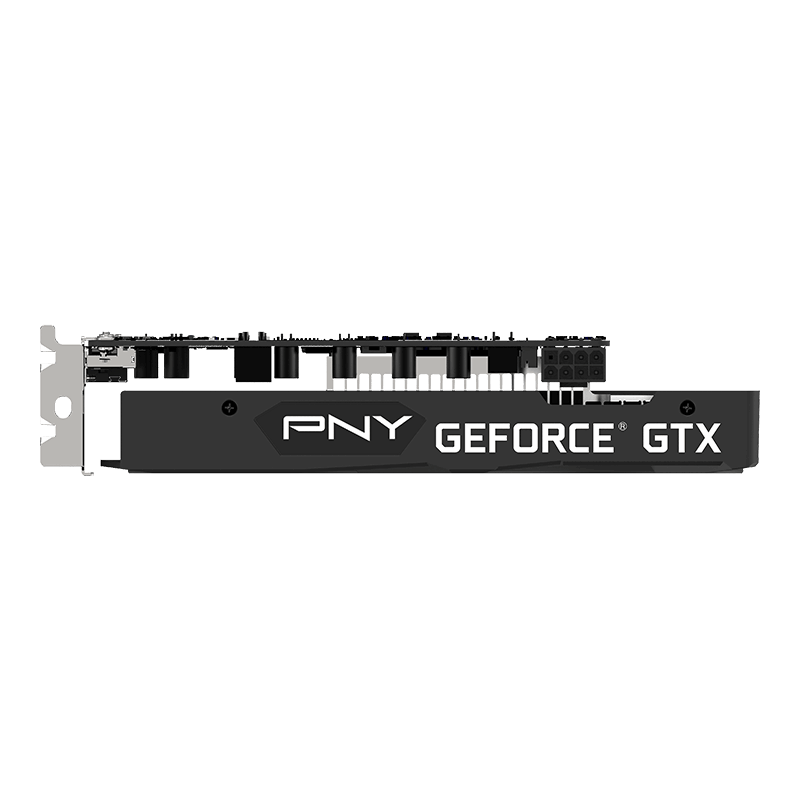
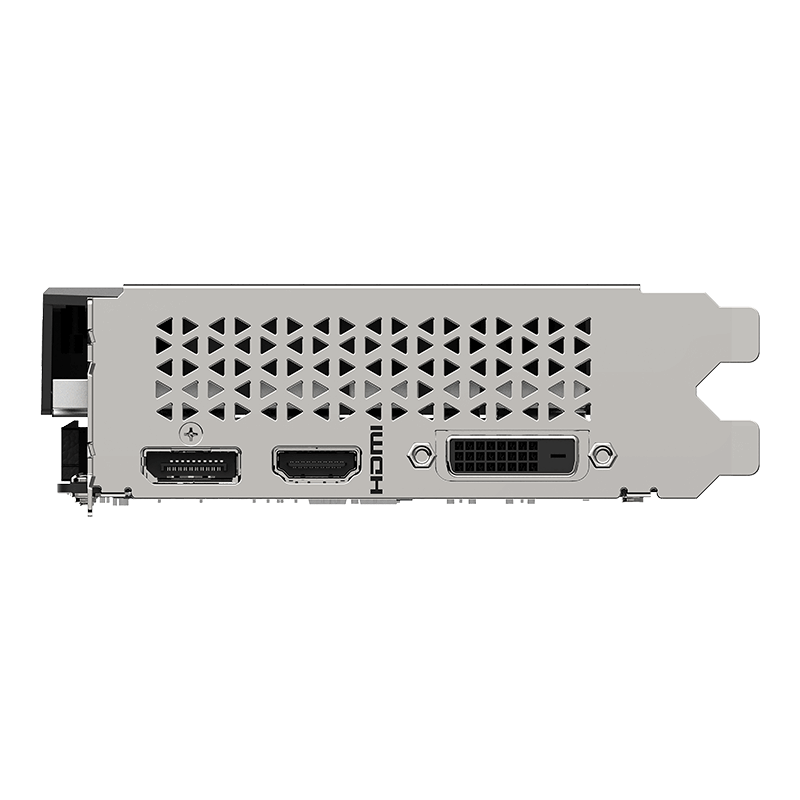
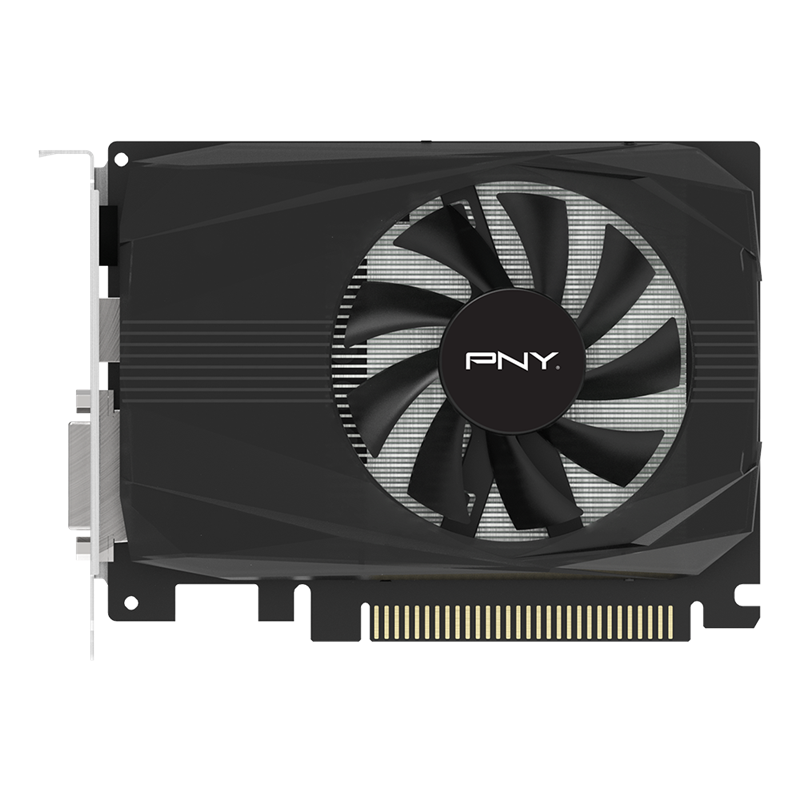
Photo 1 of 42
NVIDIA GeForce GTX 1650 · Photo source
NVIDIA · GeForce
GeForce GTX 1650
A 2019 Turing graphics card for entry-level 1080p gaming, originally with GDDR5 memory and later revised with GDDR6.
- Memory
- 4 GB
- Shaders
- 896
- Boost clock
- 1,665 MHz or 1,590 MHz
- Bandwidth
- 128 GB/s or –
- Power
- 75 W
What reviewers say
Reviewers found the original GDDR5 card suitable for entry-level 1080p gaming, but questioned its launch value beside the RX 570 and GTX 1660. PC Gamer and PC Perspective tested MSI Gaming X; Tom's Hardware tested Gigabyte Gaming OC. These overclocked boards require six-pin power and do not represent every slot-powered design or the later GDDR6 revision.
From pcgamer.com, tomshardware.com and pcper.com
Specifications
Report a wrong or missing specPerformance
- Chip maker
- NVIDIA
- Architecture
- Turing
- Shader cores
- 896
- Boost clock
- 1,665 MHz or 1,590 MHz
- Architecture
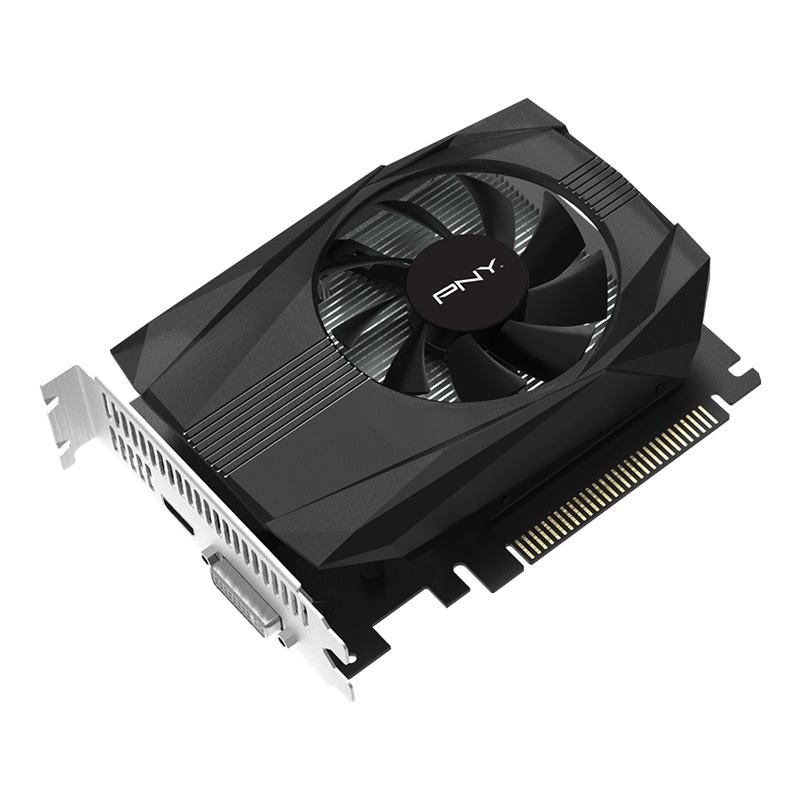
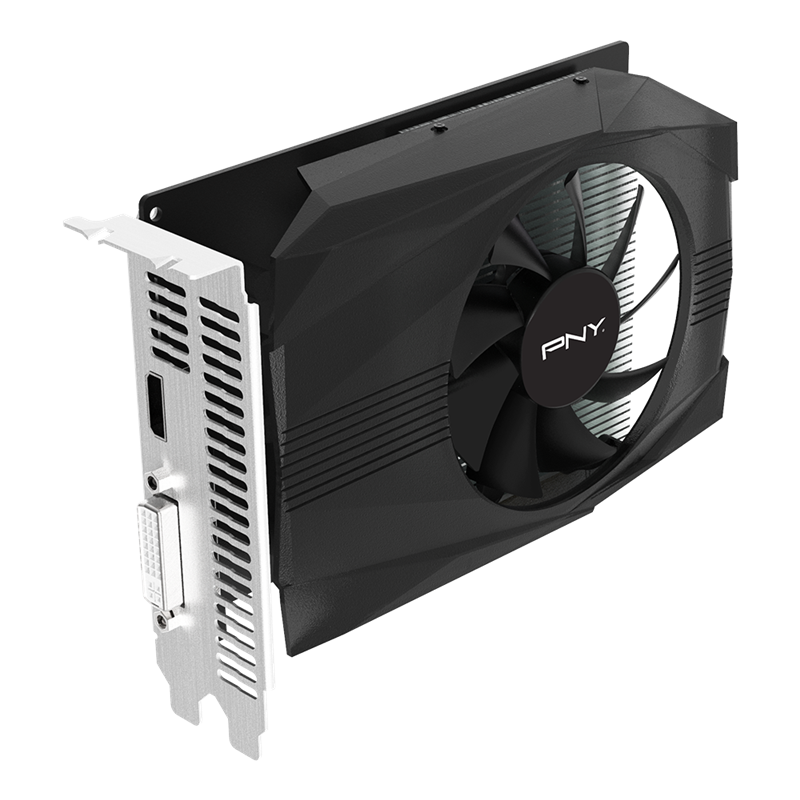
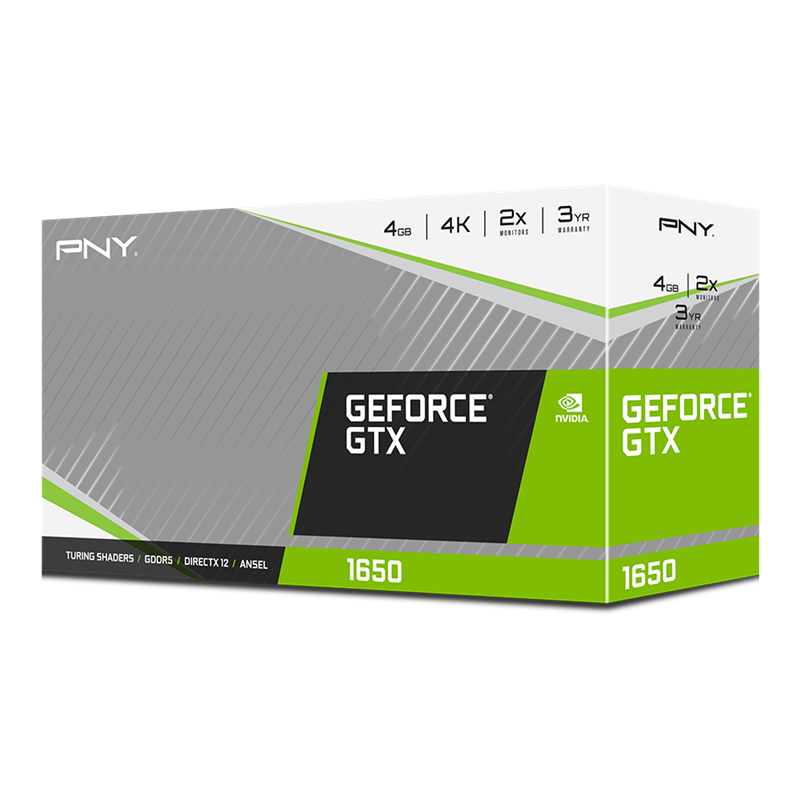
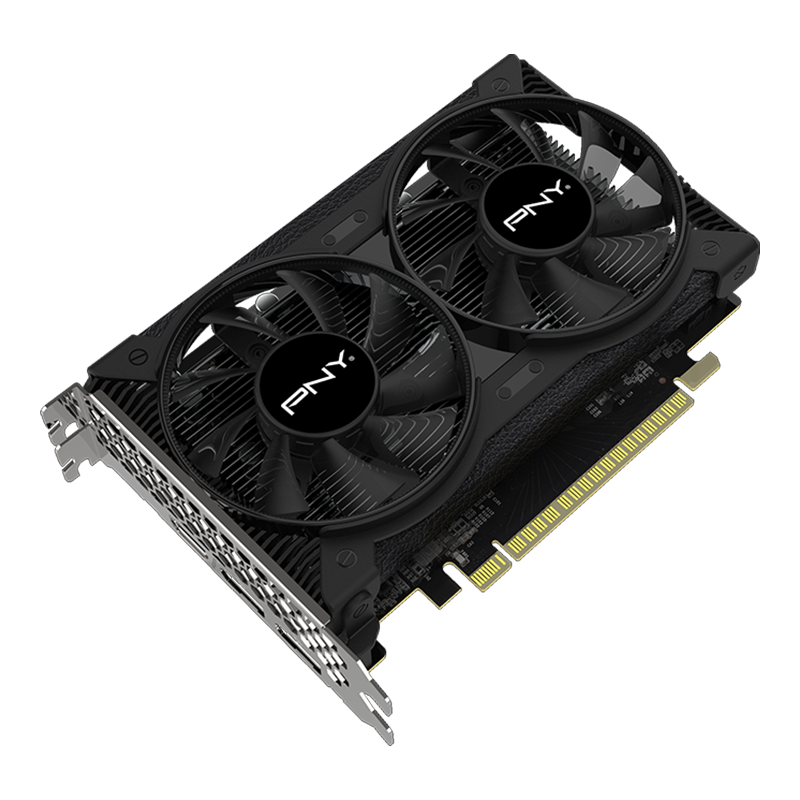
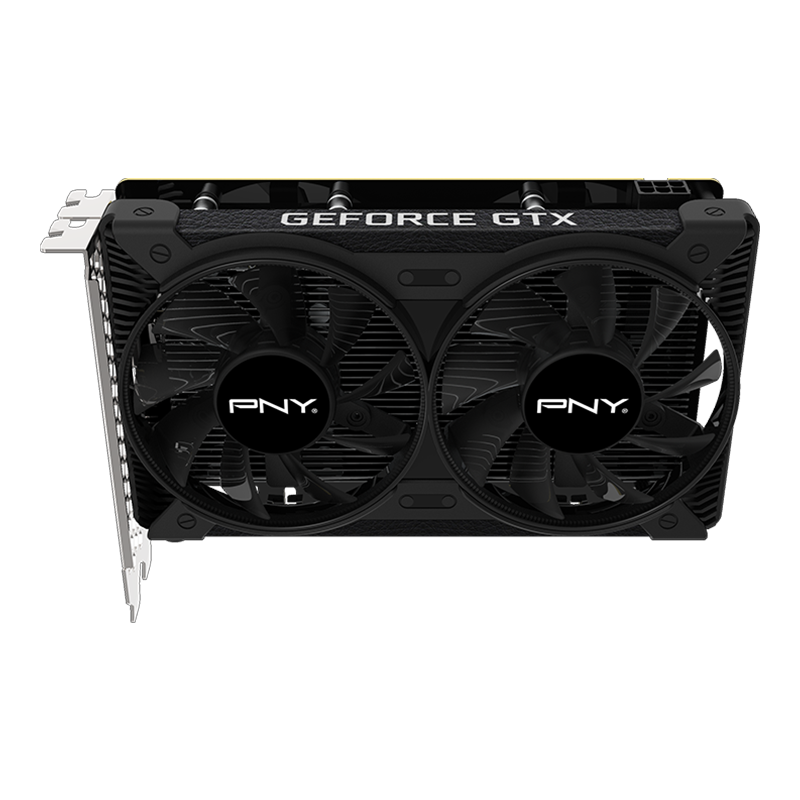
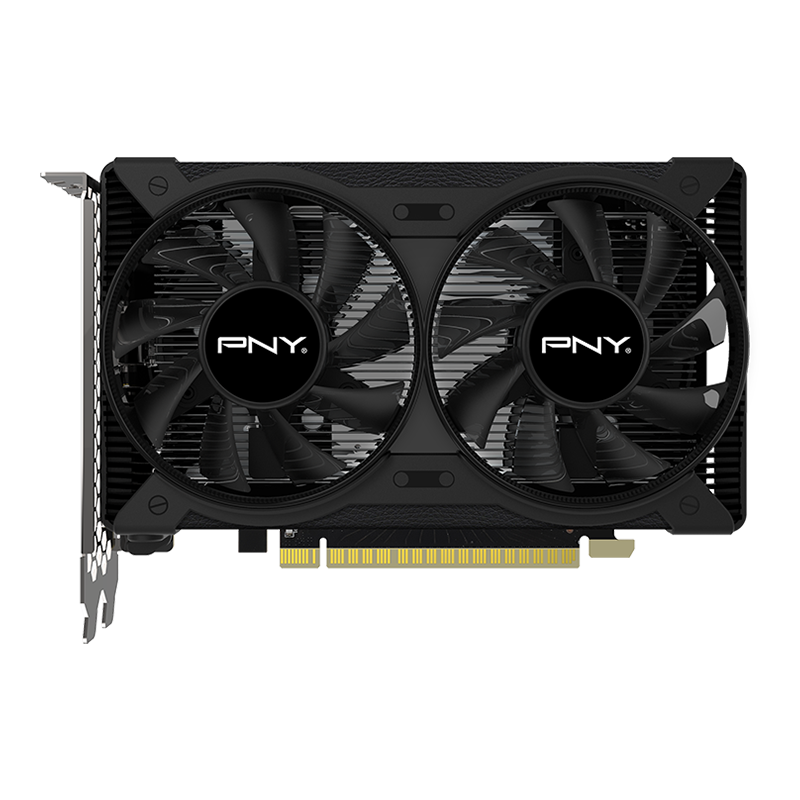
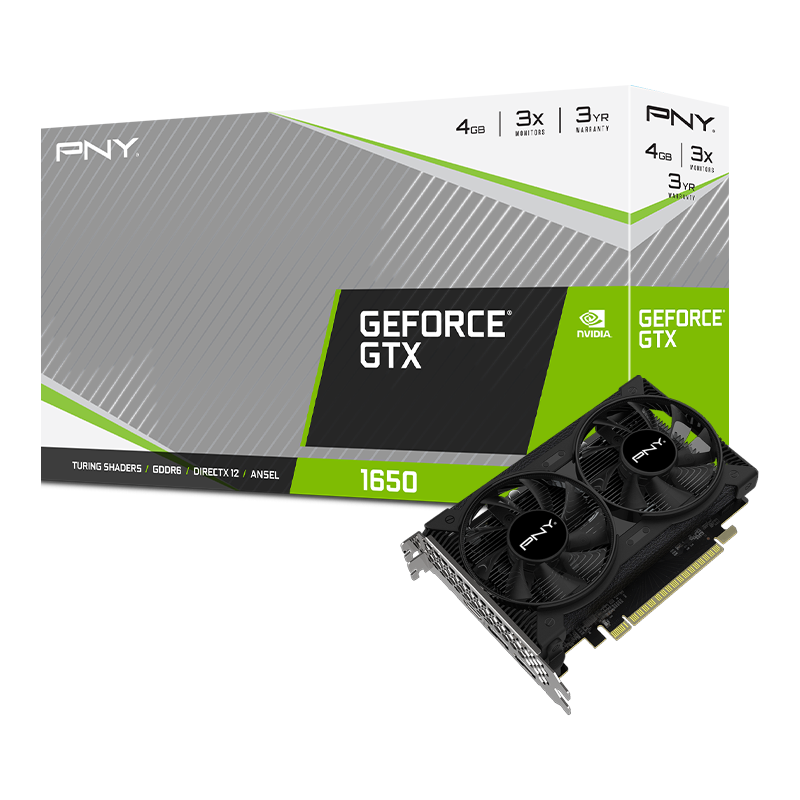
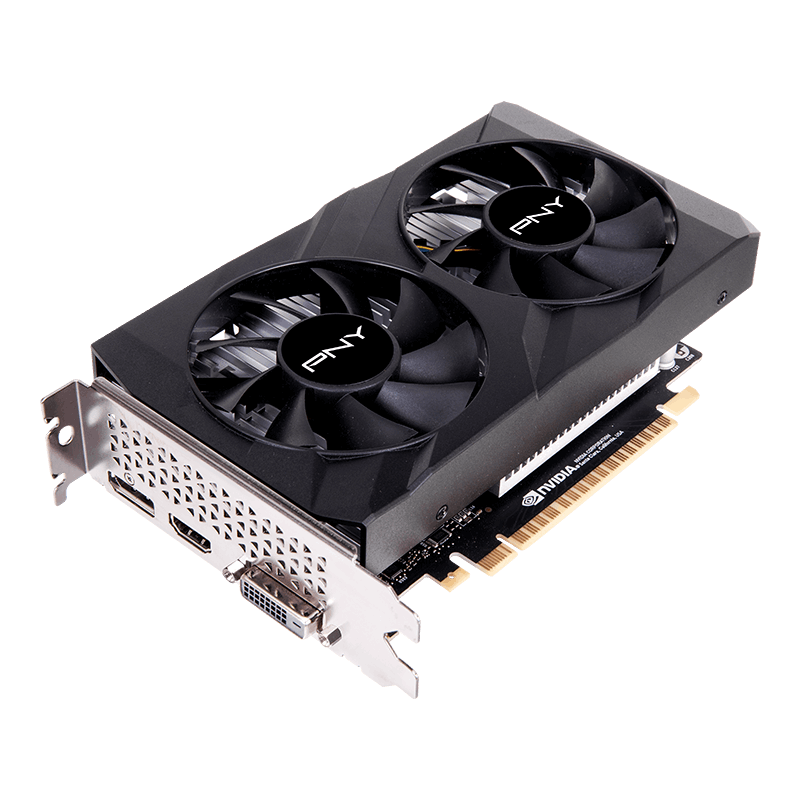
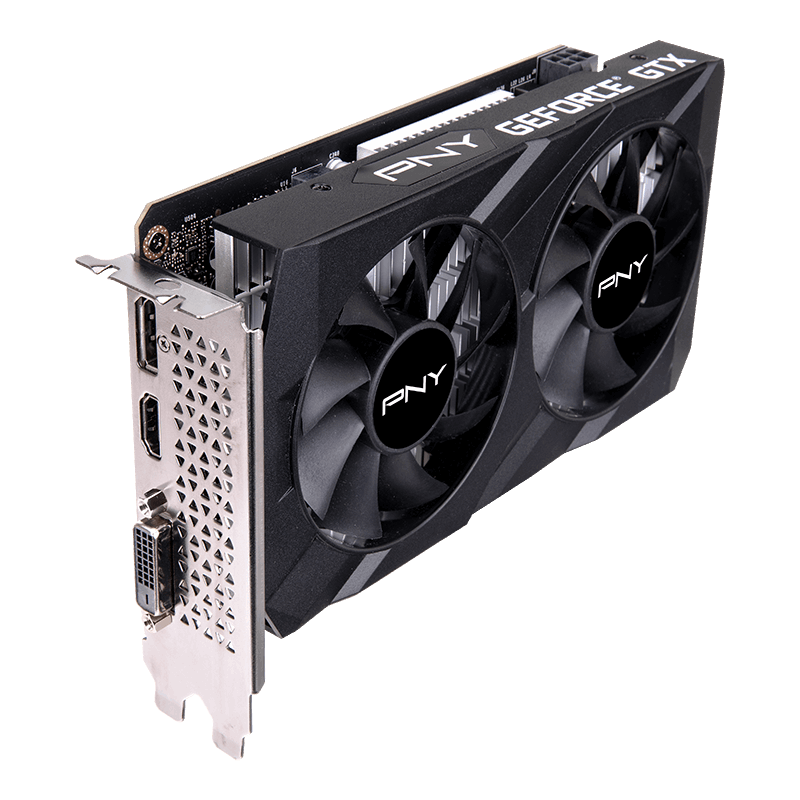
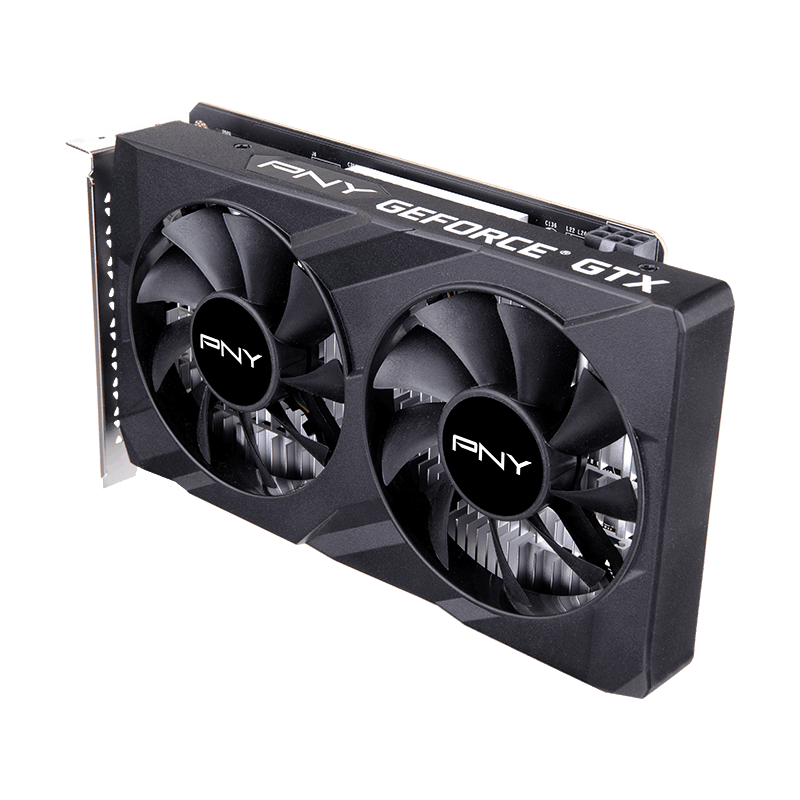
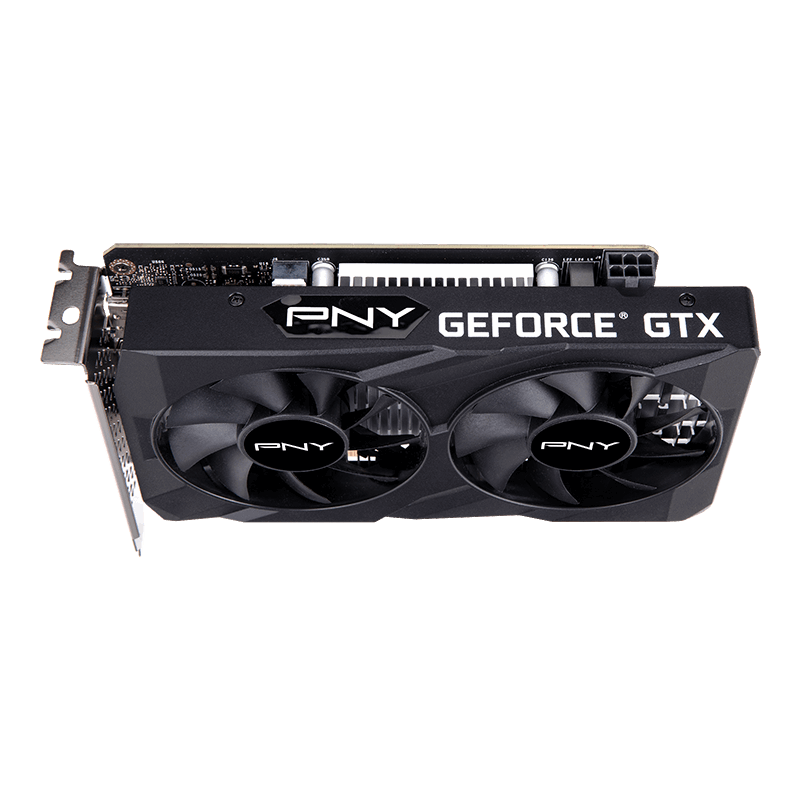
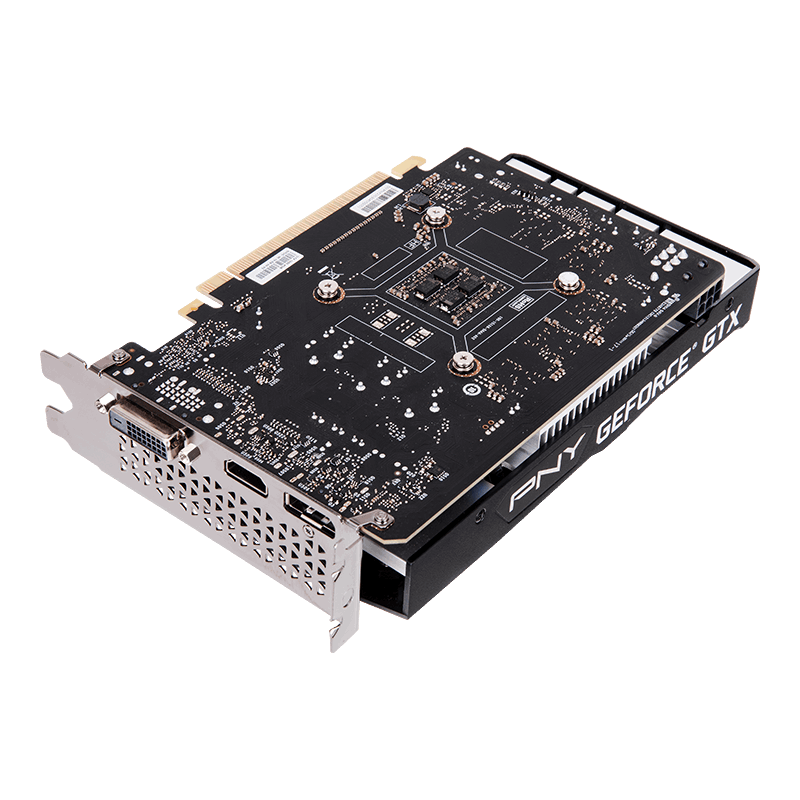
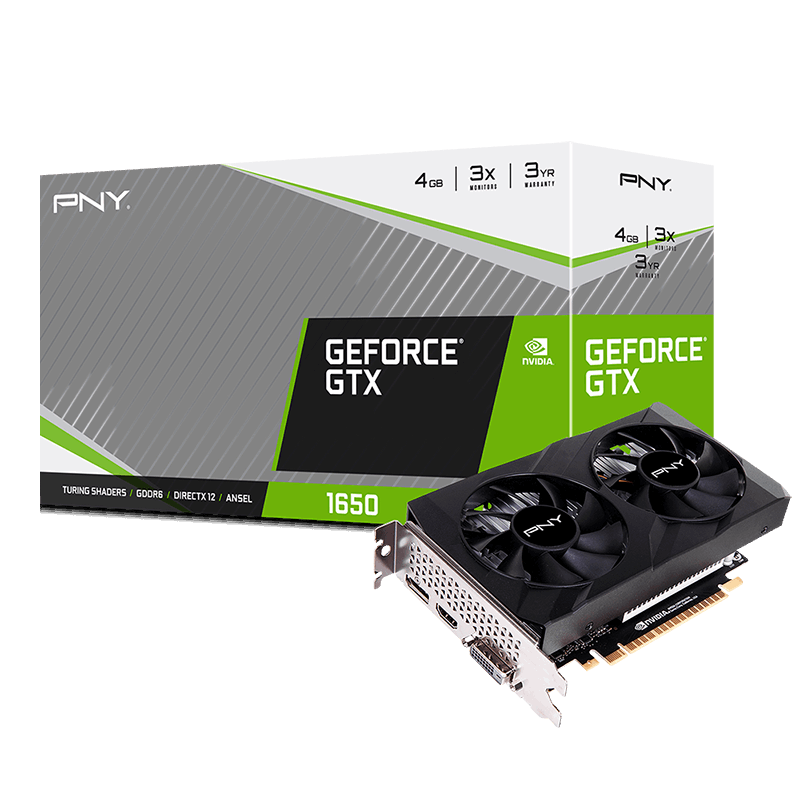
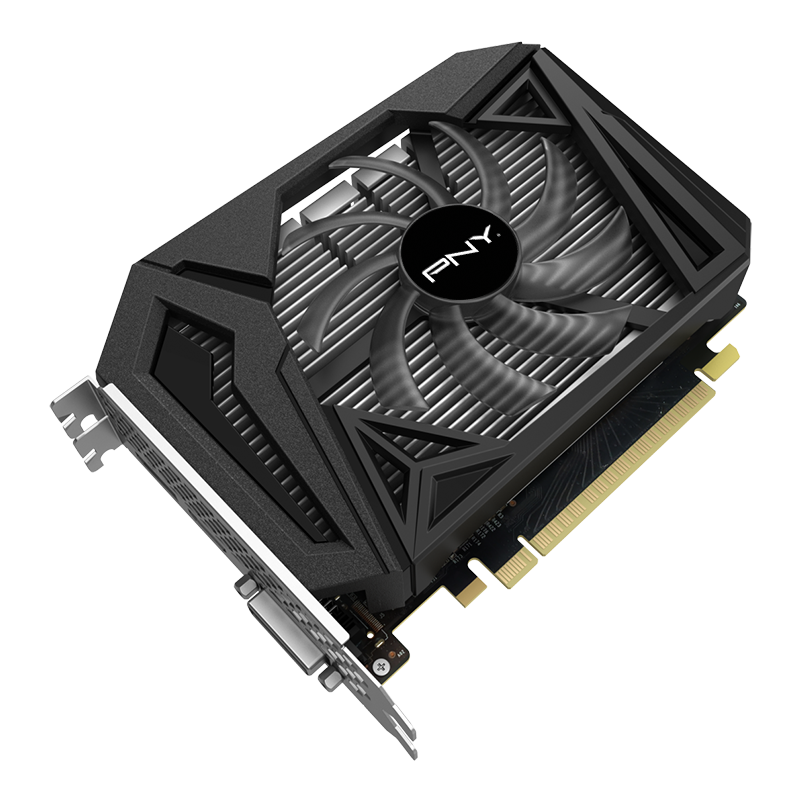
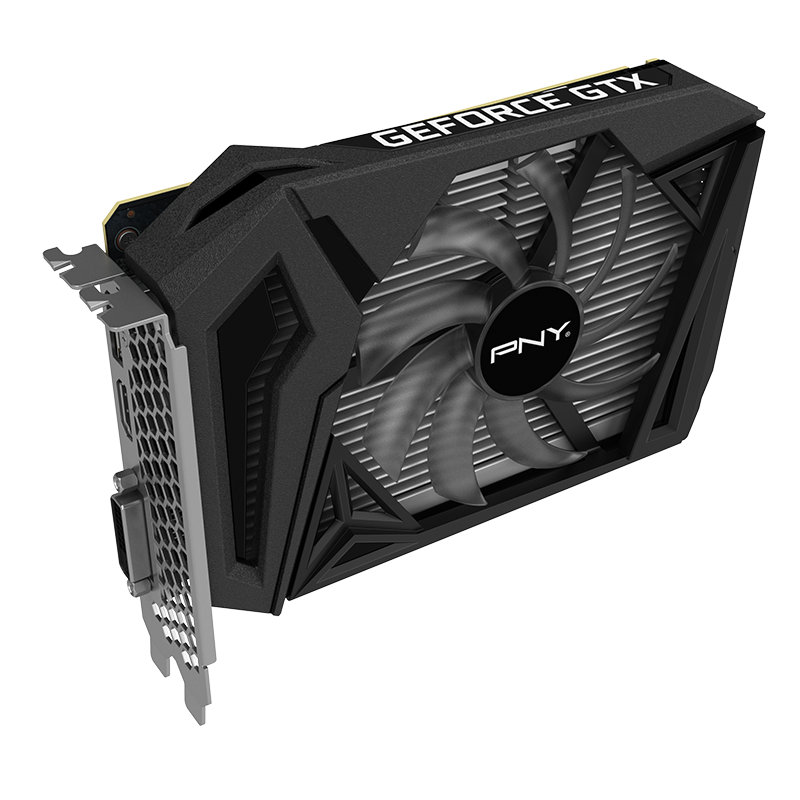
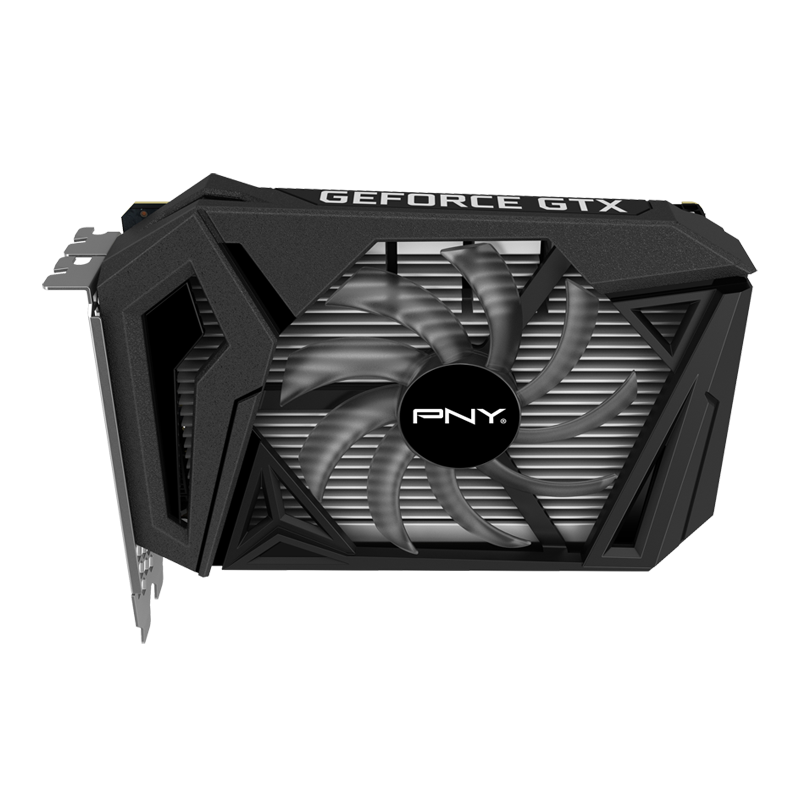
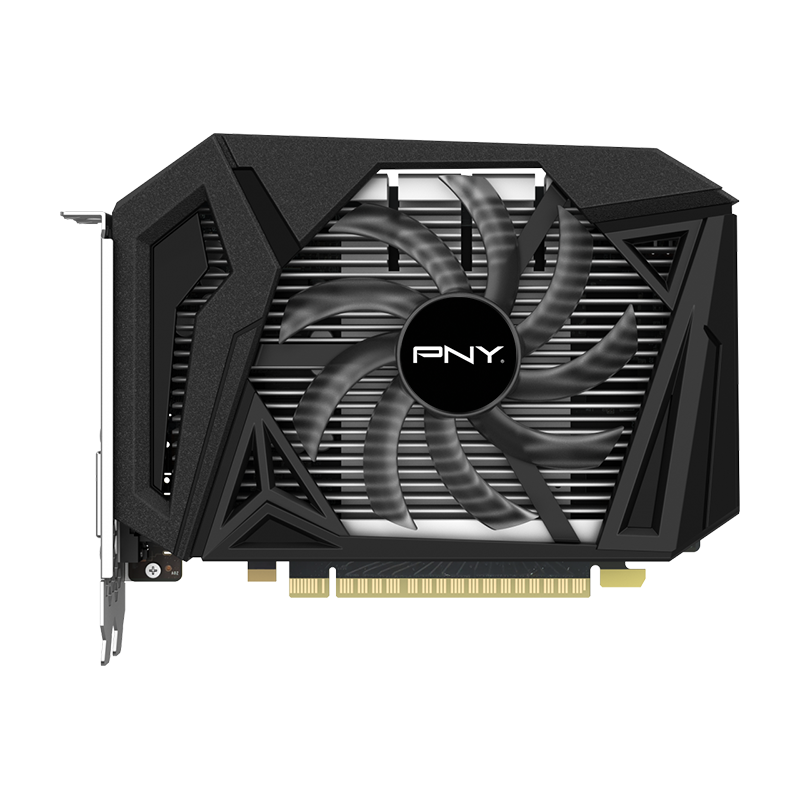
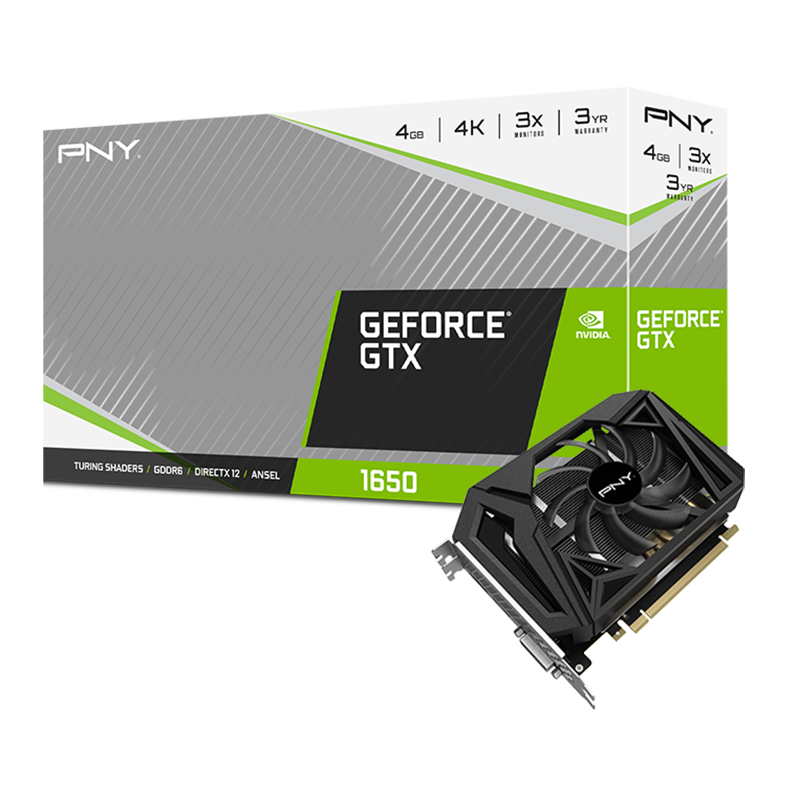
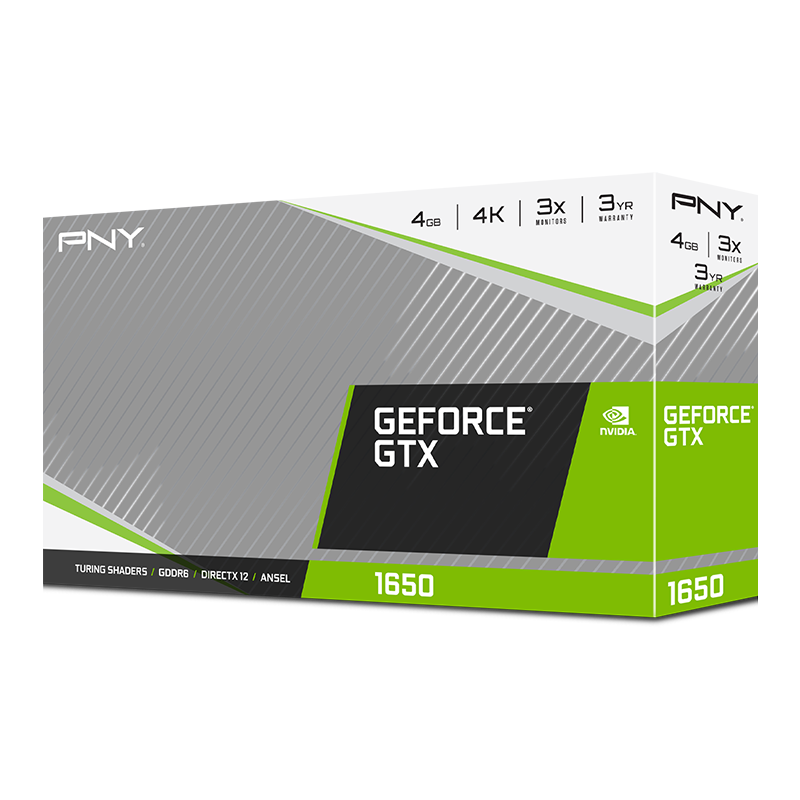
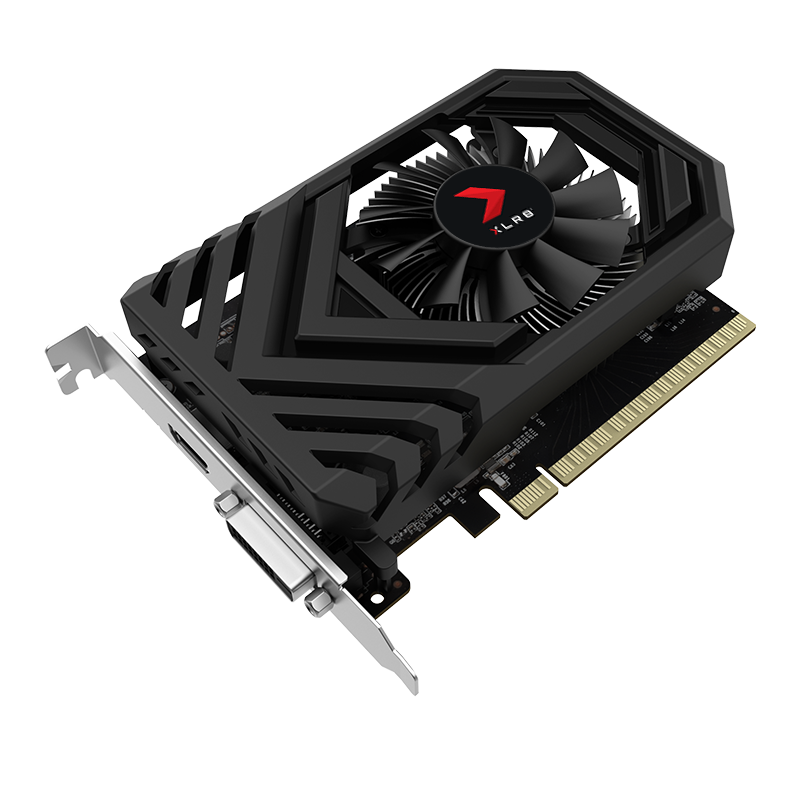
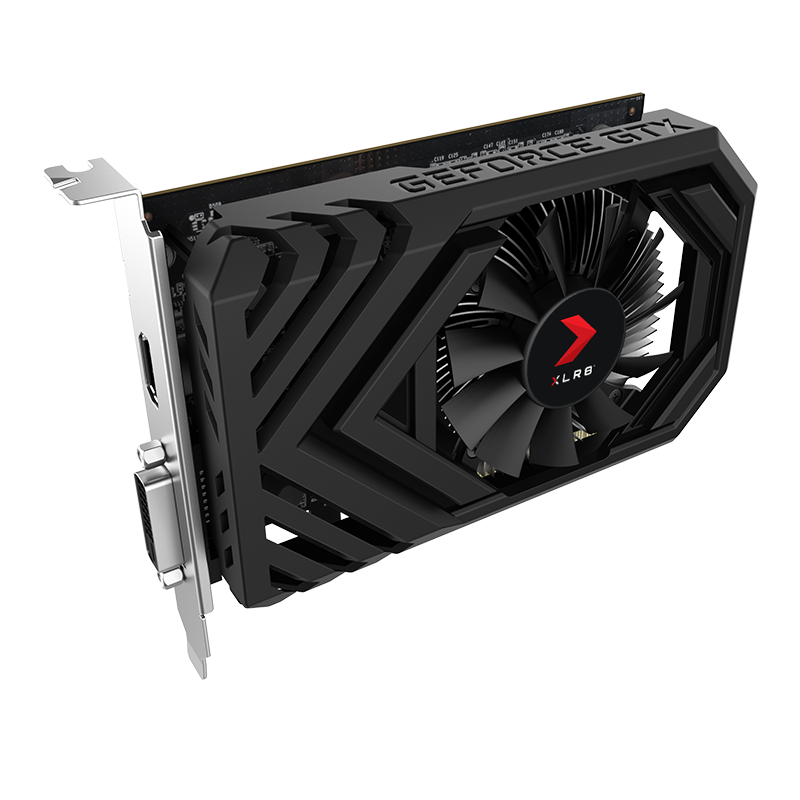
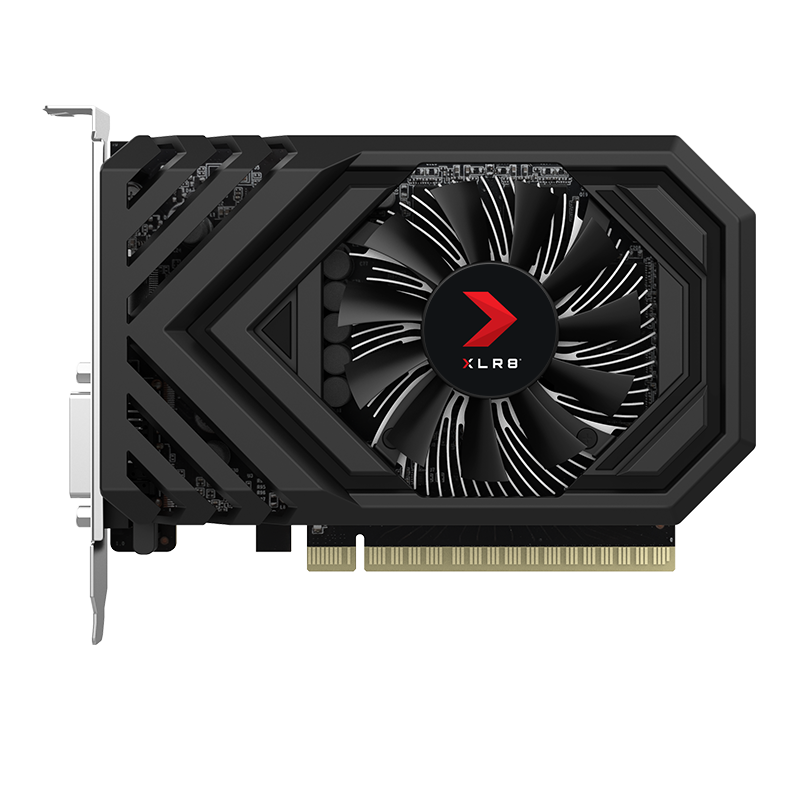
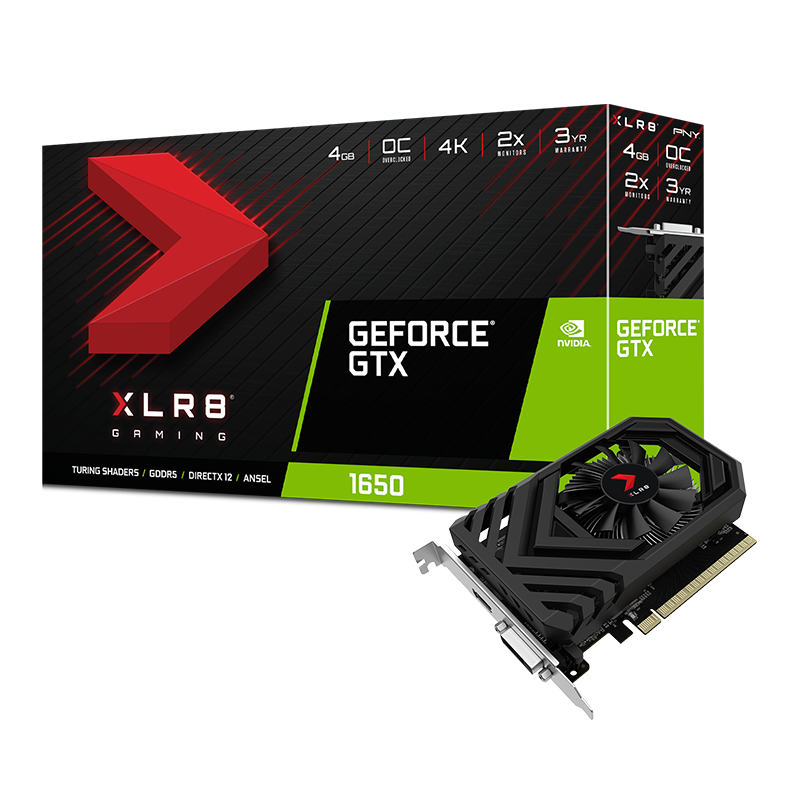
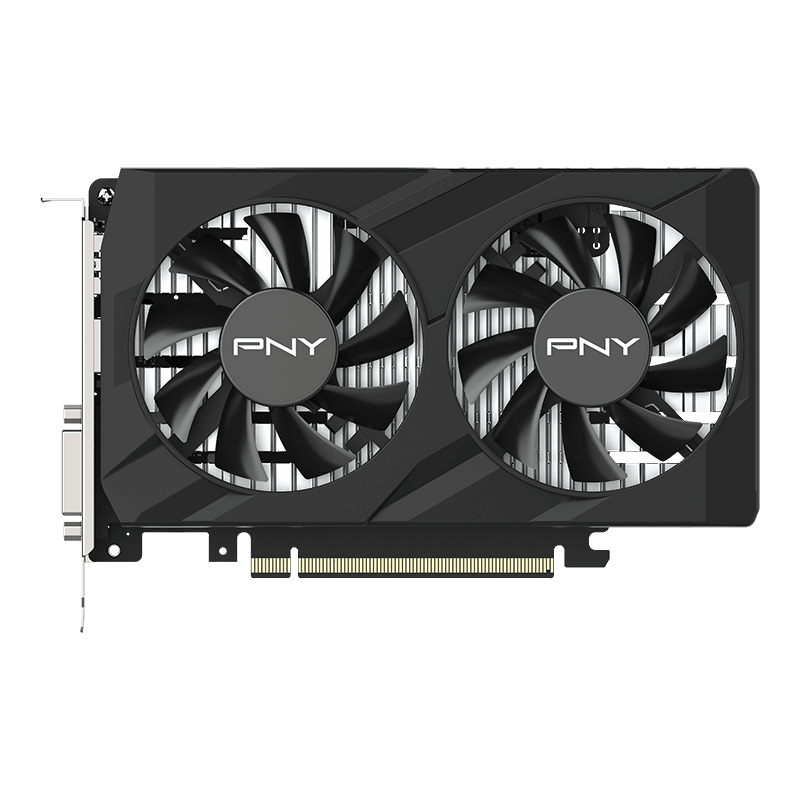
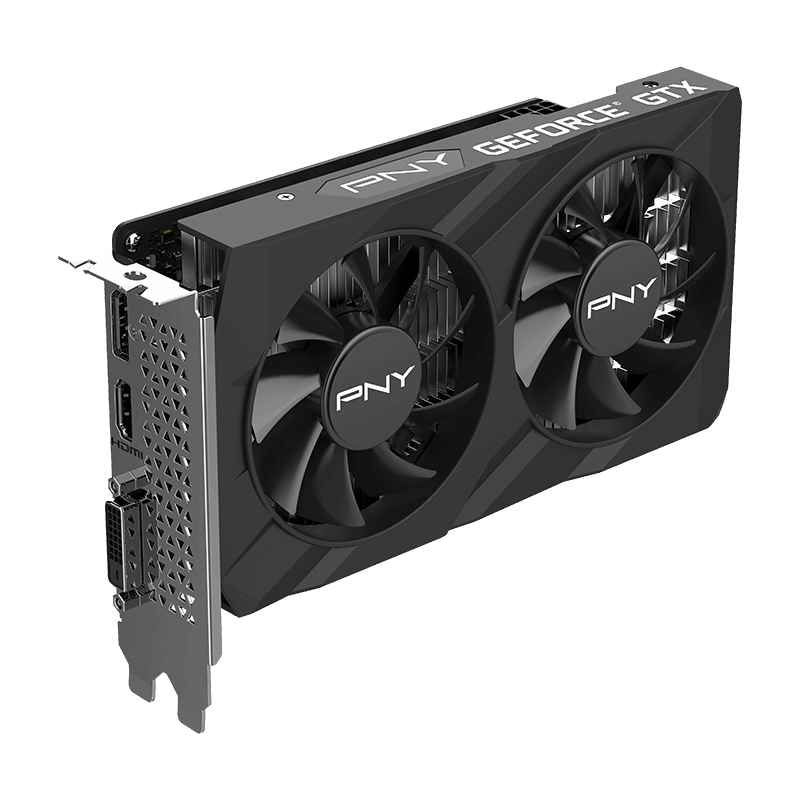
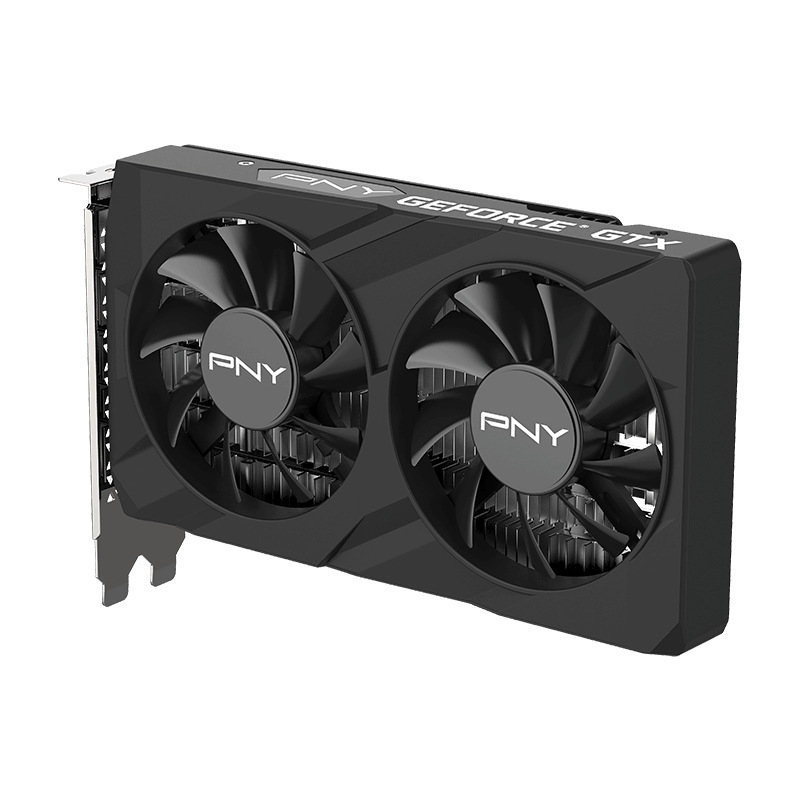
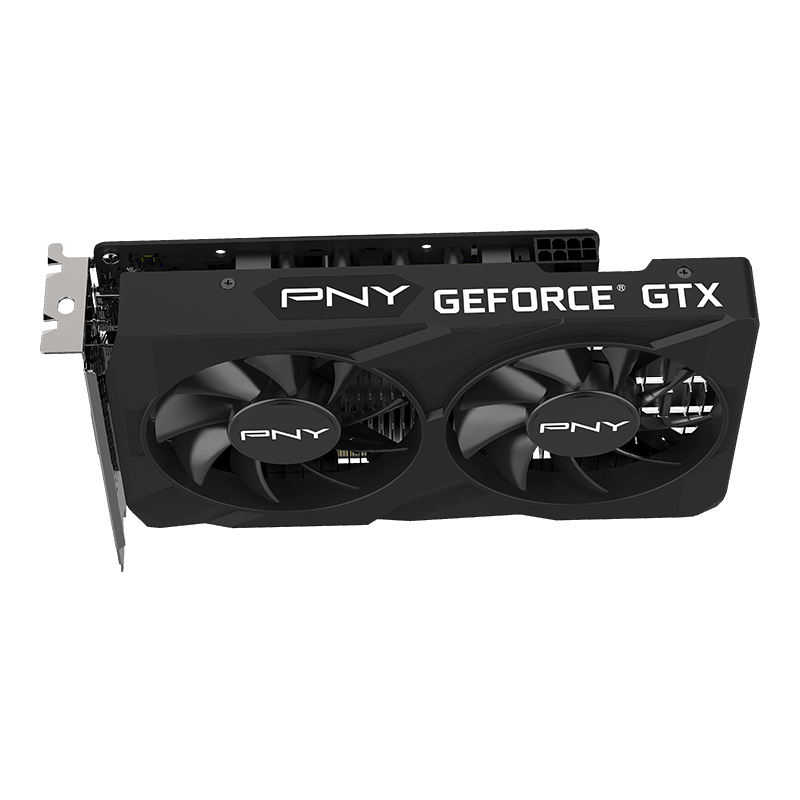
- NVIDIA GPU specification baseline; the photo shows PNY's original stock-clock GDDR5 Single Fan board. The first-sale date is for the original GDDR5 model; a maker first-sale date for GDDR6 was not established.
- Ray tracing
- No hardware RT Cores
- AI cores
- No Tensor Cores
- Upscaling and frame generation
- No NVIDIA DLSS support
- Base clock
- Original GDDR5 is 1,485 MHz; GDDR6 is 1,410 MHz
Memory
- Video memory
- 4 GB GDDR5 or 4 GB GDDR6
- Memory bus
- 128-bit
- Memory bandwidth
- 128 GB/s or –
- Memory detail
- PNY publishes 8 Gbps and 128 GB/sec for GDDR5; its GDDR6 PDF gives 12 Gbps but labels its bandwidth figure as Gbps, so numeric GDDR6 bandwidth is omitted.
Connections and power
- Board power
- 75 W
- Interface
- PCIe 3.0
- Display outputs
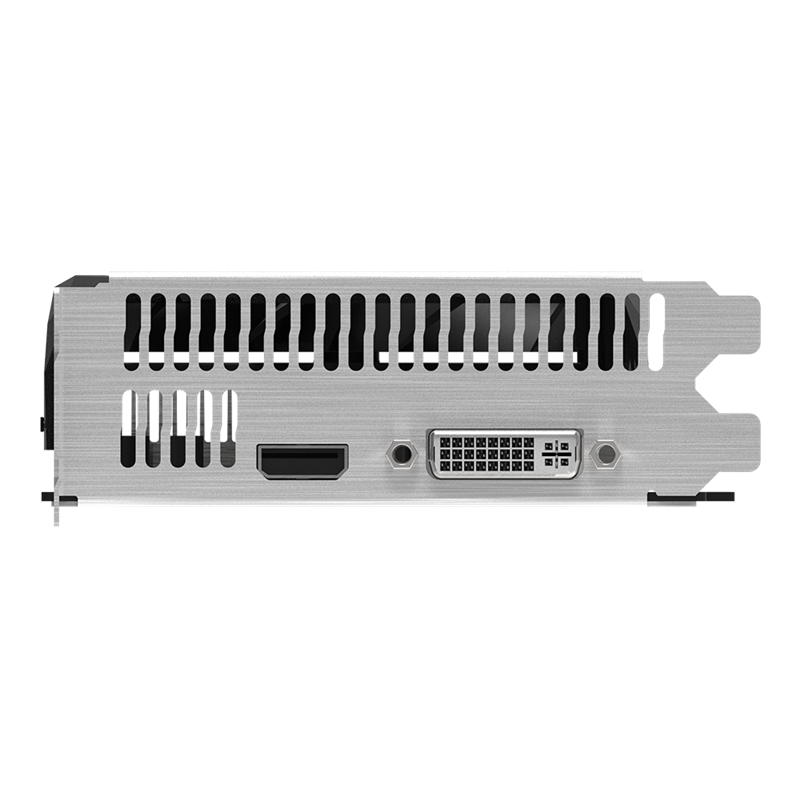
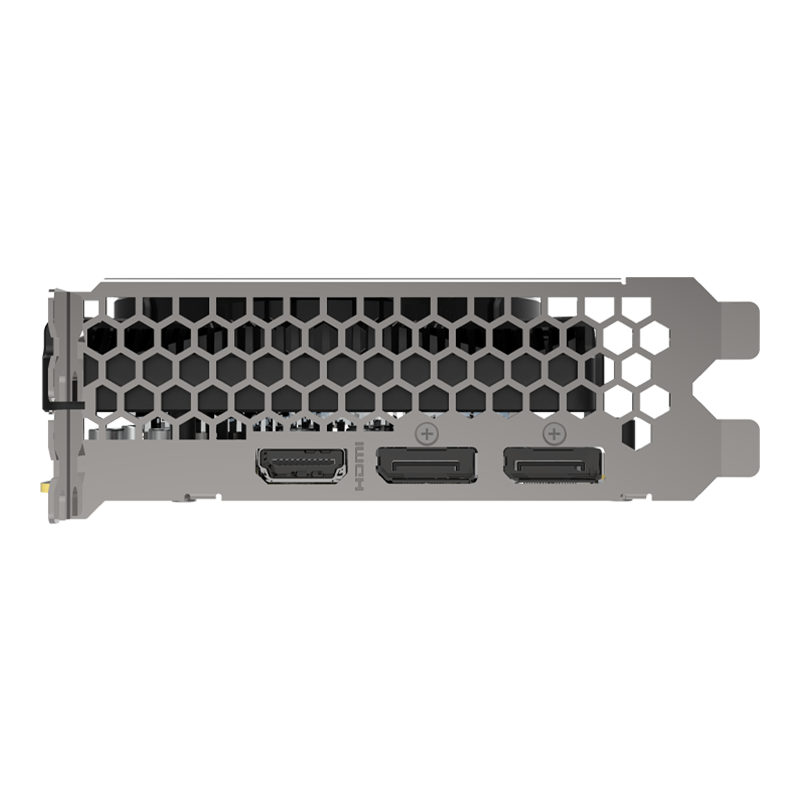
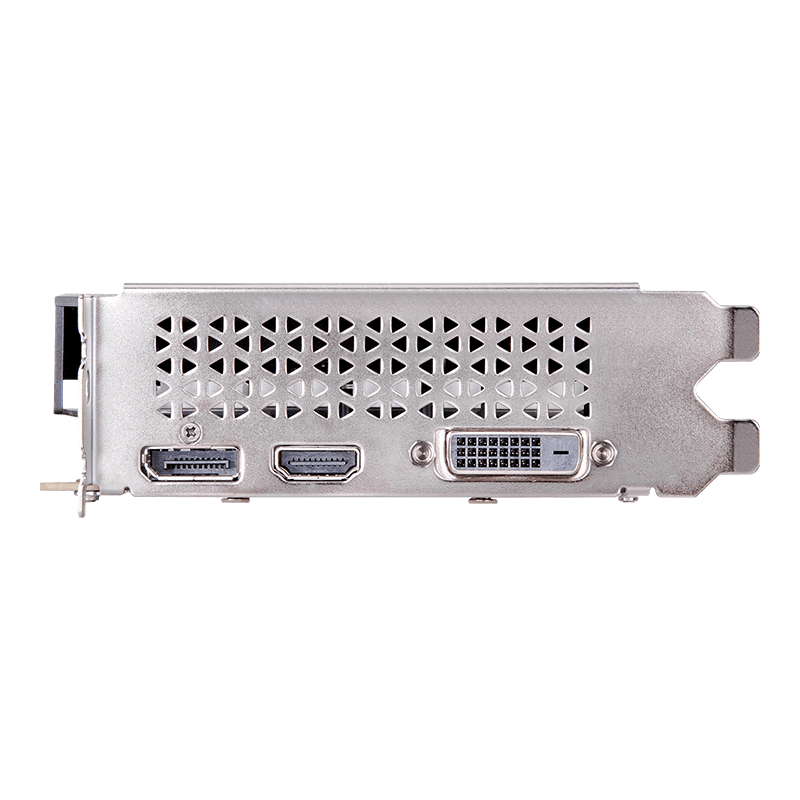
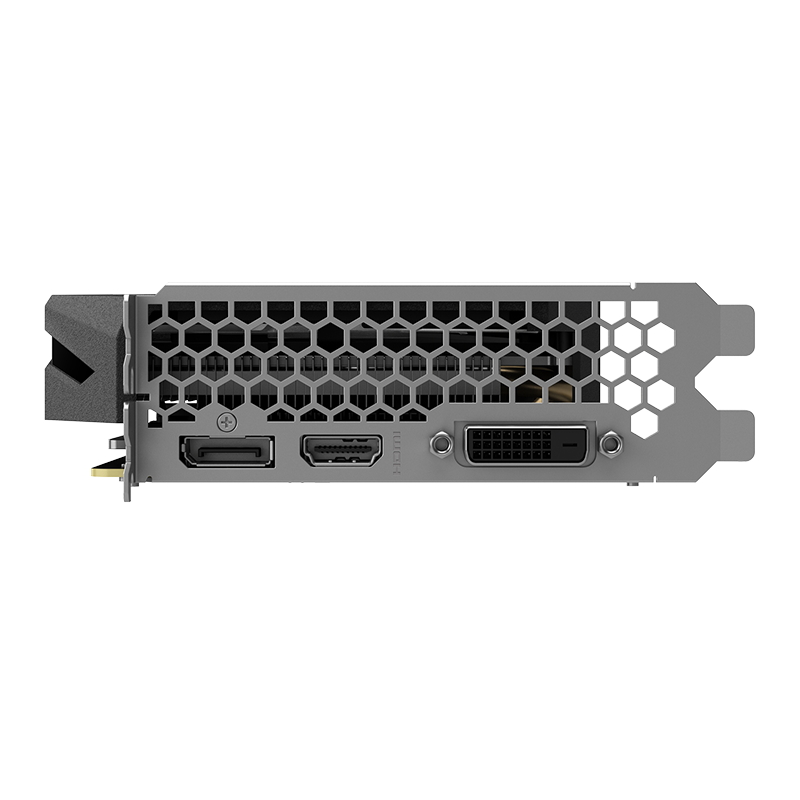
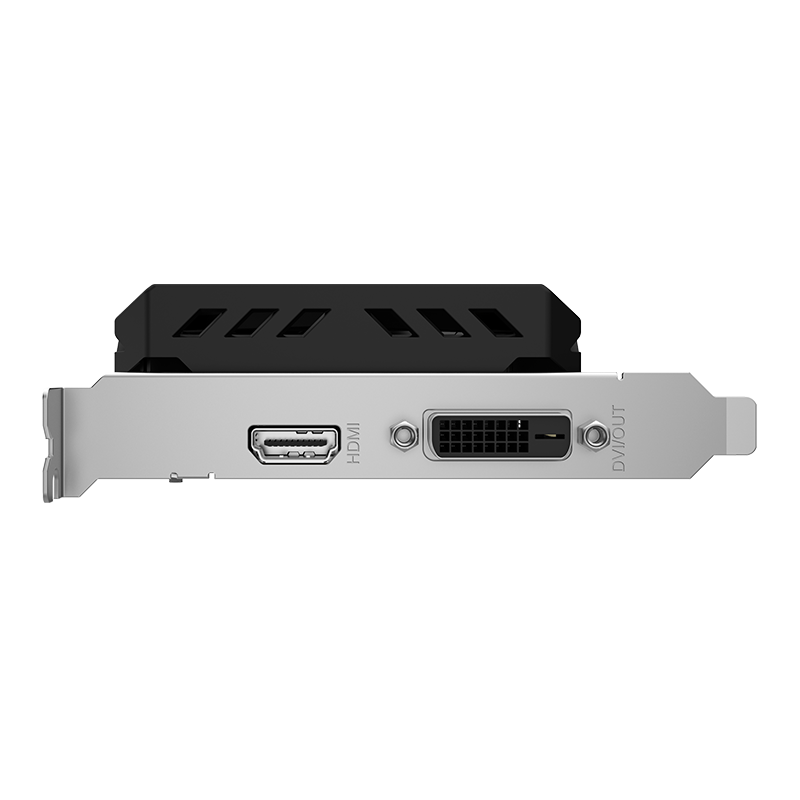
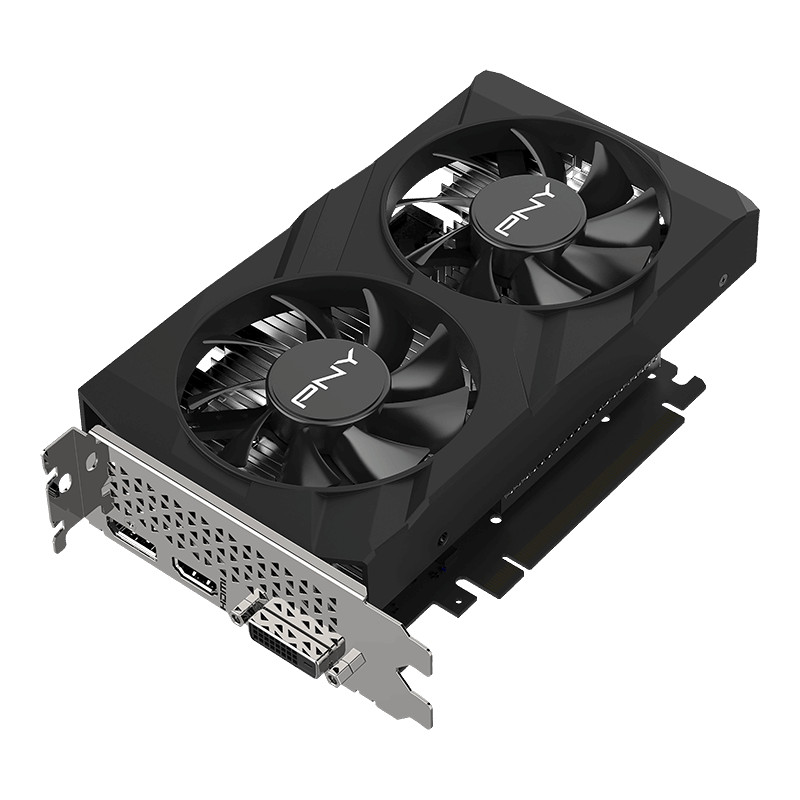
- PNY's pictured GDDR5 Single Fan specification lists DisplayPort 1.4 and DVI-D. Its GDDR6 Dual Fan PDF conflicts internally, listing HDMI 2.0b in the features and HDMI 2.1 in the table; check the selected board.
- Maximum resolution
- 7680 × 4320 on PNY's specifications
- Power connector
- NVIDIA's current comparison table lists one 6-pin for both revisions; PNY's pictured stock GDDR5 card explicitly needs no auxiliary connector, while its GDDR6 Dual Fan needs one 6-pin.
- Recommended power supply
- NVIDIA specifies 300 W; requirements depend on the system and partner card
- Slot width
- PNY's pictured GDDR5 Single Fan and GDDR6 Dual Fan are dual-slot designs
- Size (reference card)
- No retail Founders Edition; pictured PNY GDDR5 Single Fan is 1.61 × 6.22 × 4.92 inches. PNY GDDR6 Dual Fan is 188.3 × 115.1 × 39.3 mm.
- Video encode and decode
- NVIDIA identifies the original encoder as Volta; GDDR6 cards can have Volta or Turing encoders depending on whether the GPU is TU117 or TU106/TU116. PNY specifies PCIe 3.0 x16 for both pictured/reference partner designs.
Versions
| Version | Memory | Shaders | Boost clock | Memory bus | Bandwidth | Board power |
|---|---|---|---|---|---|---|
| Original 4 GB GDDR5 | 4 GB GDDR5 | 896 | 1,665 MHz | 128-bit | 128 GB/s | 75 W |
| 4 GB GDDR6 | 4 GB GDDR6 | 896 | 1,590 MHz | 128-bit | – | 75 W |
Pros and cons
Pros
- Published 75 W graphics-card power for both memory revisions
- Some stock-clock partner cards need no auxiliary power
- Later revision uses GDDR6 memory
Cons
- No hardware RT or Tensor Cores
- GDDR6 revision has lower published core clocks
- Power connectors and display outputs depend on the board
Closest rivals
Model | Memory | Shaders | Boost clock | Bandwidth | Power | Released |
|---|---|---|---|---|---|---|
| 4 GB | 1,280 | 1,725 MHz | – | 100 W | Nov 2019 | |
| 4 GB | 768 | 1,392 MHz | – | 75 W | Oct 2016 | |
| 6 GB | 1,408 | 1,785 MHz | 336 GB/s | 125 W | Oct 2019 |


Sources
- nvidia.com/en-gb/geforce/graphics-cards/compare
- nvidianews.nvidia.com/news/nvidia-supercharges-record-80-gaming-laptop-models-w…
- pny.com/pny-geforce-gtx-1650-single-fan
- pny.com/file%20library/company/support/product%20brochures/geforce%20graphics/e…
Photo: d2vfia6k6wrouk.cloudfront.net
- PNY GeForce GTX 1650 Single Fan, three-quarter view: d2vfia6k6wrouk.cloudfront.net/productimages/b46d4b61-ec15-4f71-aa69-9124620fe9f…
- PNY GeForce GTX 1650 Single Fan, upright three-quarter view: d2vfia6k6wrouk.cloudfront.net/productimages/b46d4b61-ec15-4f71-aa69-9124620fe9f…
- PNY GeForce GTX 1650 Single Fan, side or connector view: d2vfia6k6wrouk.cloudfront.net/productimages/b46d4b61-ec15-4f71-aa69-9124620fe9f…
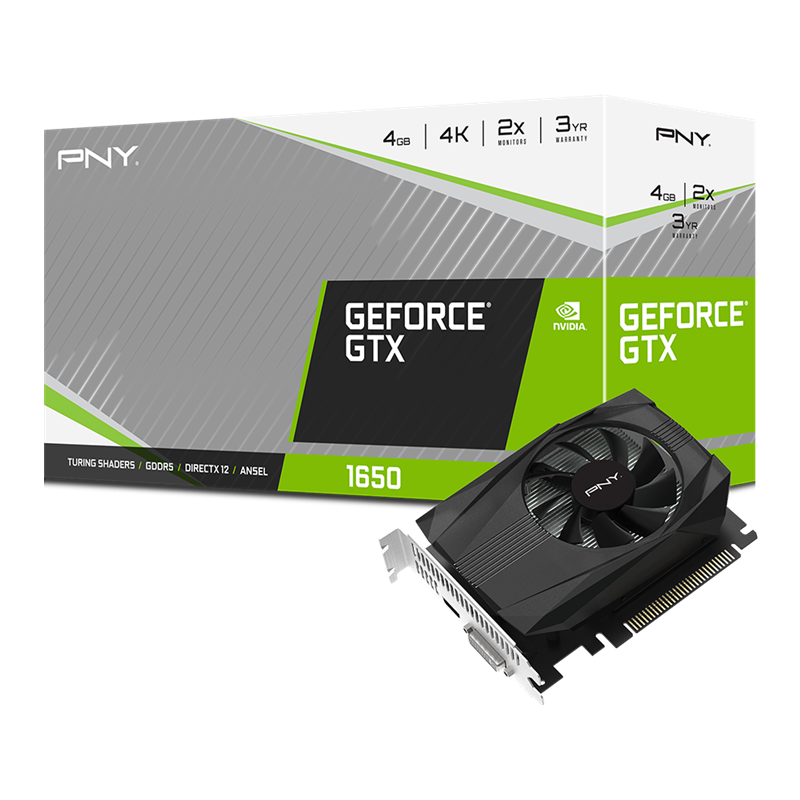
- PNY GeForce GTX 1650 Single Fan, card with retail packaging: d2vfia6k6wrouk.cloudfront.net/productimages/b46d4b61-ec15-4f71-aa69-9124620fe9f…
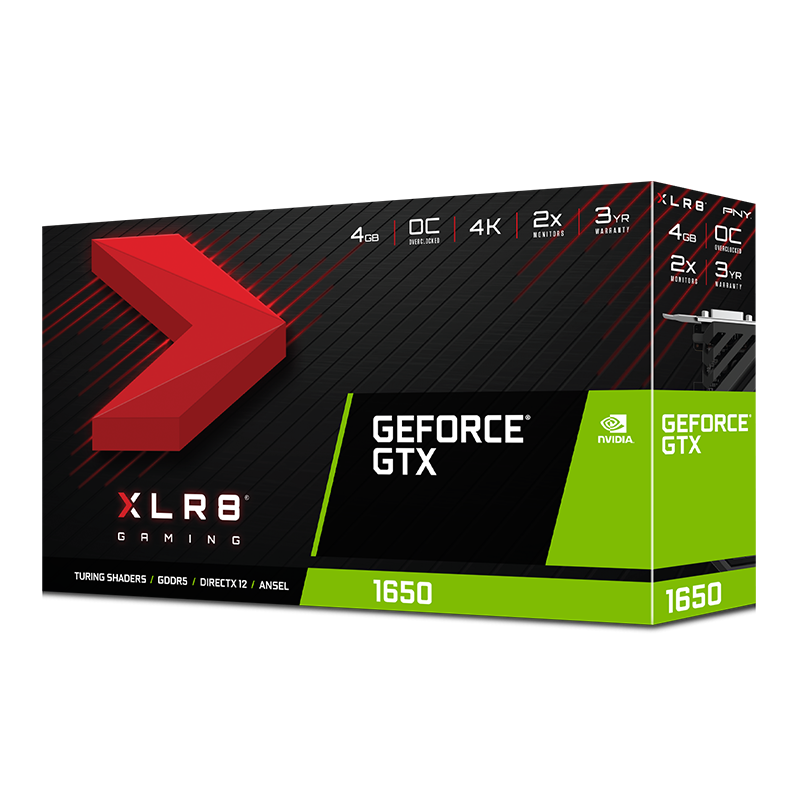
- PNY GeForce GTX 1650 Single Fan, retail packaging: d2vfia6k6wrouk.cloudfront.net/productimages/b46d4b61-ec15-4f71-aa69-9124620fe9f…
- PNY GeForce GTX 1650 4GB GDDR6 Dual Fan, card with retail packaging: d2vfia6k6wrouk.cloudfront.net/productimages/c4743403-7df5-42e0-bbf6-ac3700e0b76…
- PNY GeForce GTX 1650 4GB GDDR6 Dual Fan, card with retail packaging: d2vfia6k6wrouk.cloudfront.net/productimages/c4743403-7df5-42e0-bbf6-ac3700e0b76…
- PNY GeForce GTX 1650 4GB GDDR6 Dual Fan, card with retail packaging: d2vfia6k6wrouk.cloudfront.net/productimages/c4743403-7df5-42e0-bbf6-ac3700e0b76…
- PNY GeForce GTX 1650 4GB GDDR6 Dual Fan, card with retail packaging: d2vfia6k6wrouk.cloudfront.net/productimages/c4743403-7df5-42e0-bbf6-ac3700e0b76…
- PNY GeForce GTX 1650 4GB GDDR6 Dual Fan, display connectors and mounting bracket: d2vfia6k6wrouk.cloudfront.net/productimages/c4743403-7df5-42e0-bbf6-ac3700e0b76…
- PNY GeForce GTX 1650 4GB GDDR6 Dual Fan, card with retail packaging: d2vfia6k6wrouk.cloudfront.net/productimages/c4743403-7df5-42e0-bbf6-ac3700e0b76…
- PNY GeForce GTX 1650 4GB GDDR6 Dual Fan, retail packaging: d2vfia6k6wrouk.cloudfront.net/productimages/c4743403-7df5-42e0-bbf6-ac3700e0b76…
- PNY GeForce GTX 1650 4GB GDDR6 Dual Fan, right angled hardware view: d2vfia6k6wrouk.cloudfront.net/productimages/8f697cba-a434-42ec-8d28-afe9012e20c…
- PNY GeForce GTX 1650 4GB GDDR6 Dual Fan, right angled hardware view: d2vfia6k6wrouk.cloudfront.net/productimages/8f697cba-a434-42ec-8d28-afe9012e20c…
- PNY GeForce GTX 1650 4GB GDDR6 Dual Fan, fan or side view: d2vfia6k6wrouk.cloudfront.net/productimages/8f697cba-a434-42ec-8d28-afe9012e20c…
- PNY GeForce GTX 1650 4GB GDDR6 Dual Fan, left angled hardware view: d2vfia6k6wrouk.cloudfront.net/productimages/8f697cba-a434-42ec-8d28-afe9012e20c…
- PNY GeForce GTX 1650 4GB GDDR6 Dual Fan, fan or side view: d2vfia6k6wrouk.cloudfront.net/productimages/8f697cba-a434-42ec-8d28-afe9012e20c…
- PNY GeForce GTX 1650 4GB GDDR6 Dual Fan, display connectors and mounting bracket: d2vfia6k6wrouk.cloudfront.net/productimages/8f697cba-a434-42ec-8d28-afe9012e20c…
- PNY GeForce GTX 1650 4GB GDDR6 Dual Fan, rear backplate: d2vfia6k6wrouk.cloudfront.net/productimages/8f697cba-a434-42ec-8d28-afe9012e20c…
- PNY GeForce GTX 1650 4GB GDDR6 Dual Fan, card with retail packaging: d2vfia6k6wrouk.cloudfront.net/productimages/8f697cba-a434-42ec-8d28-afe9012e20c…
- PNY GeForce GTX 1650 4GB GDDR6 Dual Fan, retail packaging: d2vfia6k6wrouk.cloudfront.net/productimages/8f697cba-a434-42ec-8d28-afe9012e20c…
- PNY GeForce GTX 1650 4GB GDDR6 Single Fan, right angled hardware view: d2vfia6k6wrouk.cloudfront.net/productimages/a7f61fc4-7240-42ee-9e43-ac3700e156e…
- PNY GeForce GTX 1650 4GB GDDR6 Single Fan, right angled hardware view: d2vfia6k6wrouk.cloudfront.net/productimages/a7f61fc4-7240-42ee-9e43-ac3700e156e…
- PNY GeForce GTX 1650 4GB GDDR6 Single Fan, fan or side view: d2vfia6k6wrouk.cloudfront.net/productimages/a7f61fc4-7240-42ee-9e43-ac3700e156e…
- PNY GeForce GTX 1650 4GB GDDR6 Single Fan, fan or side view: d2vfia6k6wrouk.cloudfront.net/productimages/a7f61fc4-7240-42ee-9e43-ac3700e156e…
- PNY GeForce GTX 1650 4GB GDDR6 Single Fan, display connectors and mounting bracket: d2vfia6k6wrouk.cloudfront.net/productimages/a7f61fc4-7240-42ee-9e43-ac3700e156e…
- PNY GeForce GTX 1650 4GB GDDR6 Single Fan, card with retail packaging: d2vfia6k6wrouk.cloudfront.net/productimages/a7f61fc4-7240-42ee-9e43-ac3700e156e…
- PNY GeForce GTX 1650 4GB GDDR6 Single Fan, retail packaging: d2vfia6k6wrouk.cloudfront.net/productimages/a7f61fc4-7240-42ee-9e43-ac3700e156e…
- PNY GeForce GTX 1650 4GB XLR8 Gaming Overclocked Edition, card with retail packaging: d2vfia6k6wrouk.cloudfront.net/productimages/195603e1-c0f3-42d8-bf4d-d71770cbc53…
- PNY GeForce GTX 1650 4GB XLR8 Gaming Overclocked Edition, card with retail packaging: d2vfia6k6wrouk.cloudfront.net/productimages/195603e1-c0f3-42d8-bf4d-d71770cbc53…
- PNY GeForce GTX 1650 4GB XLR8 Gaming Overclocked Edition, card with retail packaging: d2vfia6k6wrouk.cloudfront.net/productimages/195603e1-c0f3-42d8-bf4d-d71770cbc53…
- PNY GeForce GTX 1650 4GB XLR8 Gaming Overclocked Edition, card with retail packaging: d2vfia6k6wrouk.cloudfront.net/productimages/195603e1-c0f3-42d8-bf4d-d71770cbc53…
- PNY GeForce GTX 1650 4GB XLR8 Gaming Overclocked Edition, card with retail packaging: d2vfia6k6wrouk.cloudfront.net/productimages/195603e1-c0f3-42d8-bf4d-d71770cbc53…
- PNY GeForce GTX 1650 4GB XLR8 Gaming Overclocked Edition, retail packaging: d2vfia6k6wrouk.cloudfront.net/productimages/195603e1-c0f3-42d8-bf4d-d71770cbc53…
- PNY GeForce GTX 1650 4GB VERTO GDDR6 Dual Fan, angled fan view: d2vfia6k6wrouk.cloudfront.net/productimages/3994ccca-b3f4-492d-b103-b1020126b9d…
- PNY GeForce GTX 1650 4GB VERTO GDDR6 Dual Fan, fan face: d2vfia6k6wrouk.cloudfront.net/productimages/3994ccca-b3f4-492d-b103-b1020126b9d…
- PNY GeForce GTX 1650 4GB VERTO GDDR6 Dual Fan, right angled view: d2vfia6k6wrouk.cloudfront.net/productimages/3994ccca-b3f4-492d-b103-b1020126b9d…
- PNY GeForce GTX 1650 4GB VERTO GDDR6 Dual Fan, left angled view: d2vfia6k6wrouk.cloudfront.net/productimages/3994ccca-b3f4-492d-b103-b1020126b9d…
- PNY GeForce GTX 1650 4GB VERTO GDDR6 Dual Fan, side and fans: d2vfia6k6wrouk.cloudfront.net/productimages/3994ccca-b3f4-492d-b103-b1020126b9d…
- PNY GeForce GTX 1650 4GB VERTO GDDR6 Dual Fan, side profile: d2vfia6k6wrouk.cloudfront.net/productimages/3994ccca-b3f4-492d-b103-b1020126b9d…
- PNY GeForce GTX 1650 4GB VERTO GDDR6 Dual Fan, display connectors and bracket: d2vfia6k6wrouk.cloudfront.net/productimages/3994ccca-b3f4-492d-b103-b1020126b9d…