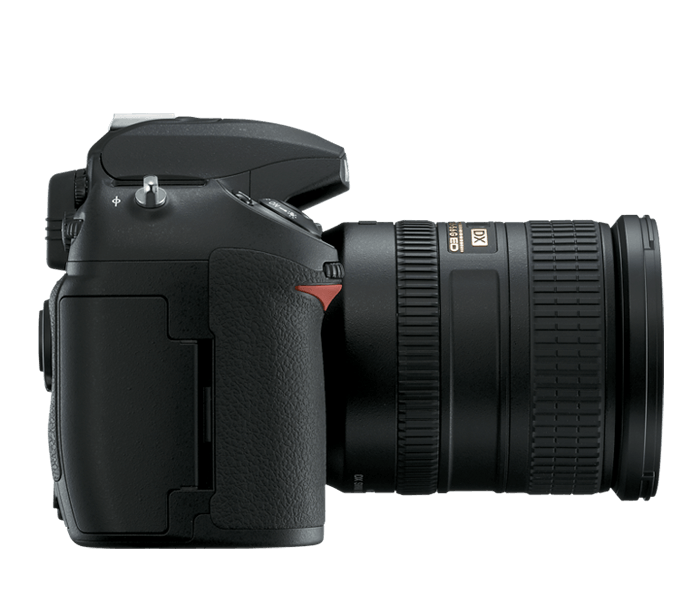
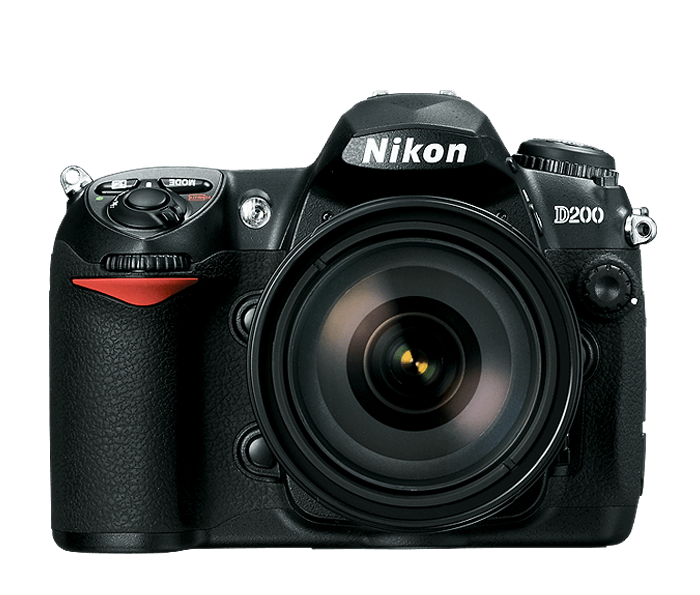
Nikon D200 · Nikon USA front photograph with a lens; lens is not part of body specifications
Nikon · Nikon DSLR
D200
A 10.2-megapixel DX-format DSLR with a magnesium-alloy body, 5 fps shooting and an 11-area autofocus system.
- Type
- DSLR
- Sensor
- APS-C
- Megapixels
- 10.2
- Lens
- Nikon F mount
- Video
- –
- Body weight
- 830 g
What reviewers say
Both praise the strong build, comfortable handling, direct controls, fast autofocus and dependable metering. Both find photographs detailed and clean at lower ISO, with increasing noise at high sensitivities, and consider it useful for demanding work at a lower cost than Nikon's flagship bodies. Cameralabs finds playback magnification unnecessarily complicated and supplied RAW software basic; TechRadar particularly praises the control layout and screen, while cautioning that the DX crop limits wide-angle coverage with equivalent full-frame lenses.
From cameralabs.com and techradar.com
Specifications
Report a wrong or missing specImage and sensor
- Camera type
- DSLR
- Sensor format
- APS-C
- Sensor type
- CCD
- Sensor dimensions
- 23.6 × 15.8 mm
- Effective resolution
- 10.2 MP
- Largest image
- 3872 × 2592
- RAW recording
- Yes
- Standard ISO range
- 100–1600
- Sensor detail
- 10.92 million total pixels; four-channel output; Image Dust Off reference data for software correction
- Image formats
- 12-bit NEF RAW, compressed or uncompressed, JPEG and RAW plus JPEG. The original manual and Nikon Korea establish 12-bit recording; the current US archived table also lists 14-bit, which is not used here
- ISO detail
- Expanded equivalents up to ISO 3200; Auto ISO
- Image processor
- Nikon image-processing engine inherited from the D2X
Lens and shooting
- Lens mount
- Nikon F mount
- Stabilisation
- Optical lens stabilisation
- Maximum continuous burst
- 5 fps
- Lens detail
- AF coupling supports compatible screw-drive lenses. Supported non-CPU AI lenses permit aperture-priority and manual exposure; entering lens data enables colour matrix metering and aperture display. IX and F3AF lenses unsupported
- Autofocus
- Multi-CAM 1000 phase detection; 11 normal areas or seven wide areas; single, dynamic, group dynamic and closest-subject modes; AF-S and AF-C
- Shutter
- 1/8000 to 30 seconds and Bulb; flash sync 1/250 second; shutter tested beyond 100000 cycles
- Burst detail
- High-speed approximately 5 fps; low-speed 1–4 fps; maker claims up to 37 JPEG or 22 NEF frames, depending on settings
- Stabilisation detail
- Optical VR depends on the attached lens; no sensor-shift stabilisation
- Flash
- Pop-up i-TTL flash; guide number approximately 12 at ISO 100 in metres, 13 at full manual output; commander for two remote groups; hot shoe and PC sync terminal
- Exposure controls
- P/S/A/M; 1005-pixel RGB 3D Colour Matrix Metering II; ±5 EV compensation; interval timer and multiple exposure
Screen and viewfinder
- Viewfinder
- Optical
- Screen size
- 2.5″
- Screen dots
- 230,000
- Tilting screen
- No
- Display detail
- Fixed TFT with 170° viewing angle; dots count subpixels
- Viewfinder detail
- Pentaprism, approximately 95% coverage and 0.94× magnification with 50mm at infinity; 19.5 mm eyepoint; selectable grid
Connections and design
- Wi-Fi
- No
- Battery life (maker's claim)
- 340 photographs
- Body weight
- 830 g
- Release detail
- Nikon's original US announcement specifies late December 2005 availability; main records the month
- Recording media
- CompactFlash Type I/II and Microdrive; no UDMA capability inferred from the current archived US table
- Ports
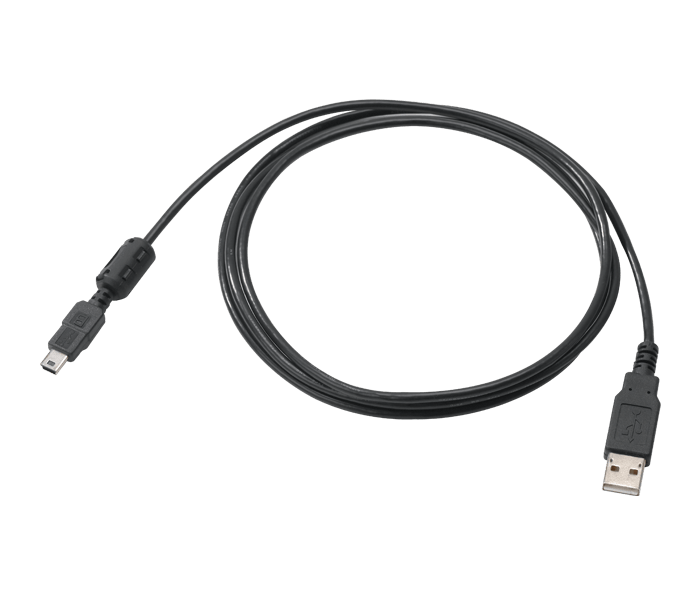
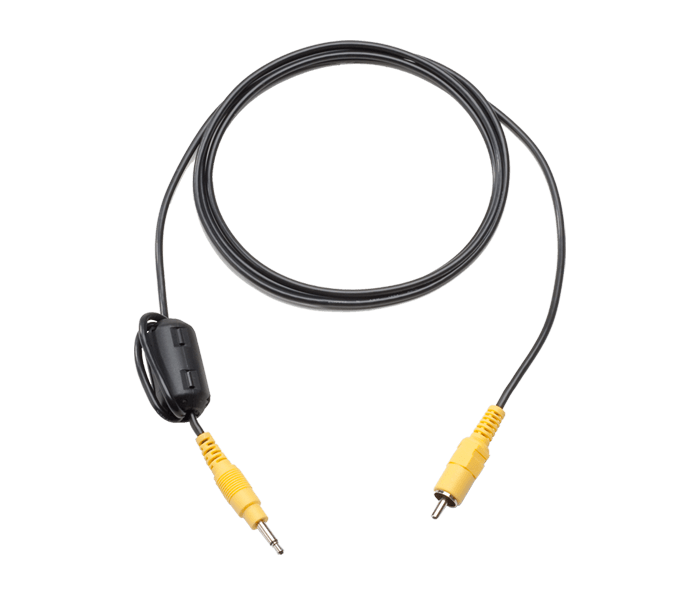
- USB 2.0 Hi-Speed, analogue NTSC/PAL output, ten-pin accessory terminal, PC flash sync and optional AC adapter input; optional MC-35 connects compatible external GPS receivers
- Wireless connections
- Optional WT-3 transmitter provides 802.11b/g image transfer; networking is not built into the body
- Battery life detail
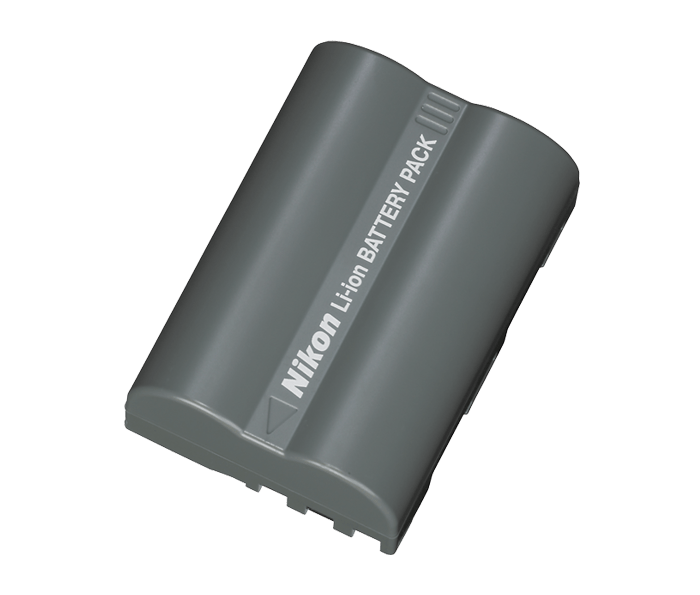
- EN-EL3e; approximately 340 photographs in the manual's single-frame test with flash on alternate exposures, not labelled CIPA. A separate continuous test claims approximately 1800; optional MB-D200 holds one or two EN-EL3e packs or six AA batteries
- Charging
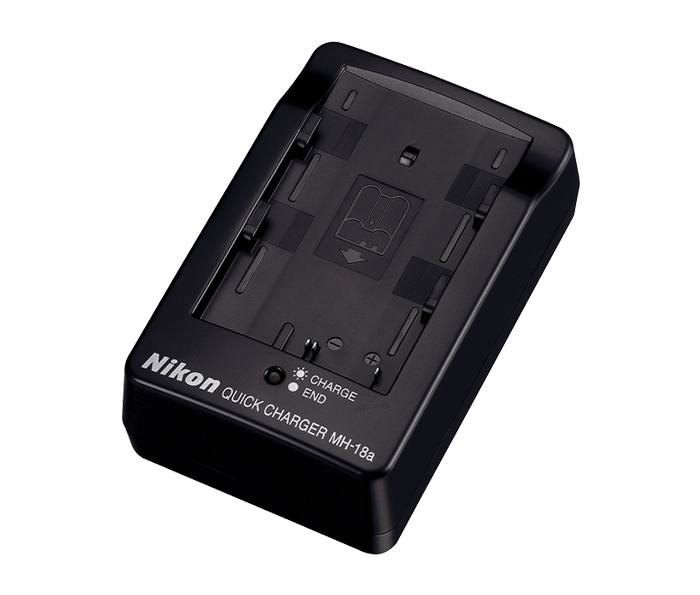
- External MH-18a charger; optional EH-6 AC adapter
- Dimensions
- Approximately 147 × 113 × 74 mm
- Weight detail
- Approximately 830 g excluding battery, card, body cap and monitor cover
- Materials
- Magnesium-alloy chassis and body cover with environmental sealing; not a waterproof rating
Video
- Video detail
- No movie recording or live view
Pros and cons
Pros
- Dedicated controls and a large top status display
- Magnesium-alloy body with environmental sealing
- Metering with supported non-CPU AI lenses
Cons
- No live view or movie recording
- Fixed rear screen
- Network image transfer requires an optional transmitter
Closest rivals
Model | Type | Sensor | Megapixels | Lens | Video | Body weight | Released |
|---|---|---|---|---|---|---|---|
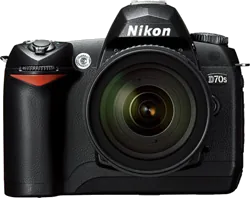
| DSLR | APS-C | 6.1 | Nikon F mount | – | 540 g | 2005 | |
| DSLR | APS-C | 6.1 | Nikon F mount | – | 600 g | Apr 2005 | |
| DSLR | APS-C | 10.2 | Sony A-mount | – | 545 g | Jul 2006 |


Sources
- nikc.nikon.com/product/dslr/D200
- cdn-10.nikon-cdn.com/pdf/manuals/dslr/D200_en.pdf
- nikonusa.com/p/d200/25235/overview
- nikonusa.com/press-room/nikon-unveils-the-new-d200-dig
- cameralabs.com/nikond200
- cameralabs.com/nikond200/2
- cameralabs.com/nikond200/3
- cameralabs.com/nikond200/4
- cameralabs.com/nikond200/5
- cameralabs.com/nikond200/6
- cameralabs.com/nikond200/7
- cameralabs.com/nikond200/8
- techradar.com/reviews/cameras-and-camcorders/cameras/digital-slrs-hybrids/nikon…
Photo: Nikon USA front photograph with a lens; lens is not part of body specifications
- D200 left side with attached lens: Nikon official D200 camera photograph
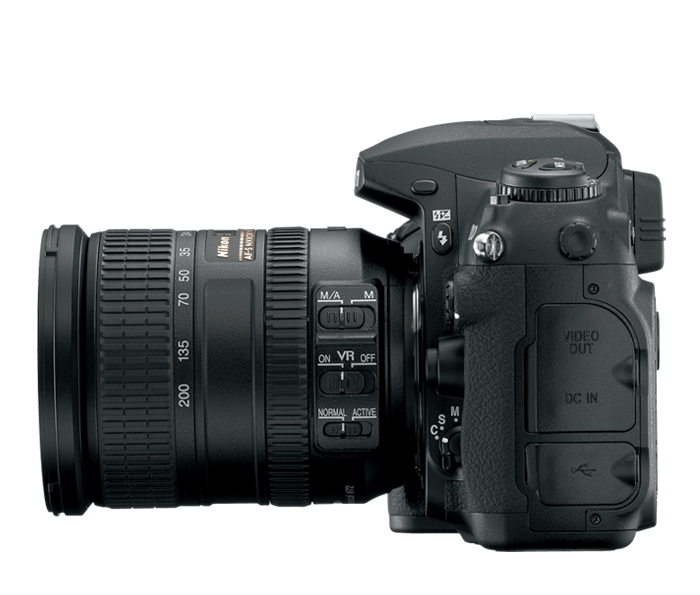
- D200 right side with attached lens: Nikon official D200 camera photograph
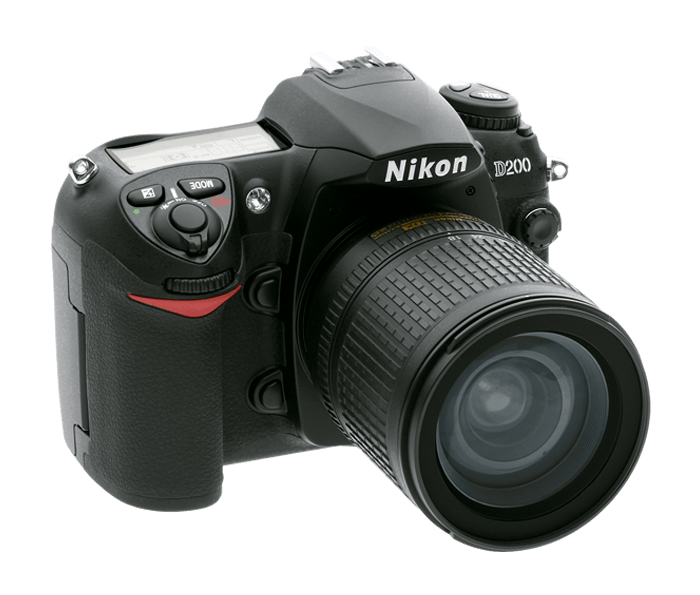
- D200 front oblique with attached lens: Nikon official D200 camera photograph
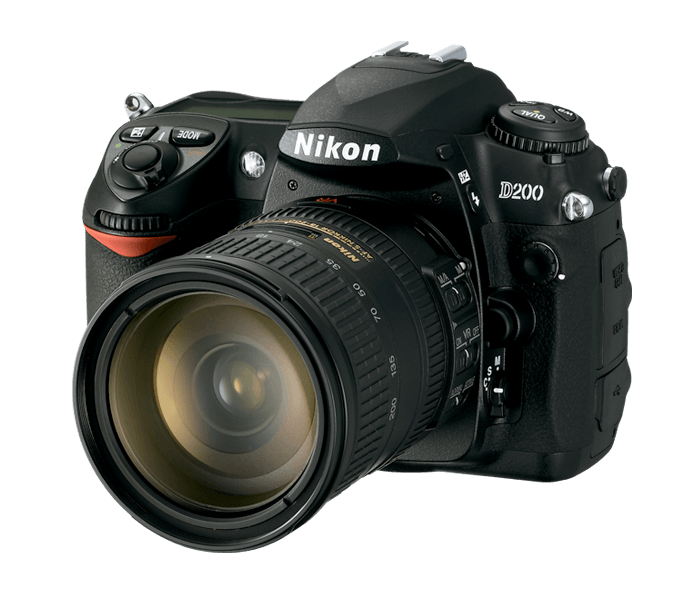
- D200 opposite front oblique with attached lens: Nikon official D200 camera photograph
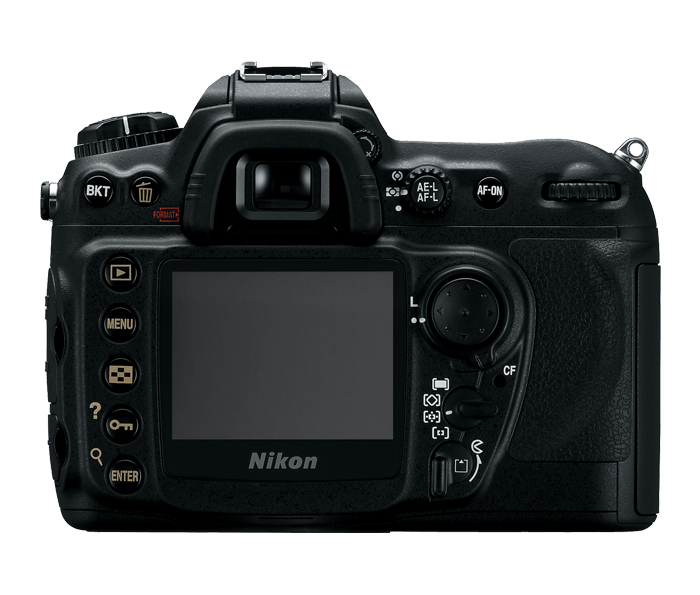
- D200 rear: Nikon official D200 camera photograph
- Supplied MH-18a quick charger: Nikon official exact supplied-item photograph; D200 operating manual establishes item supplied with camera
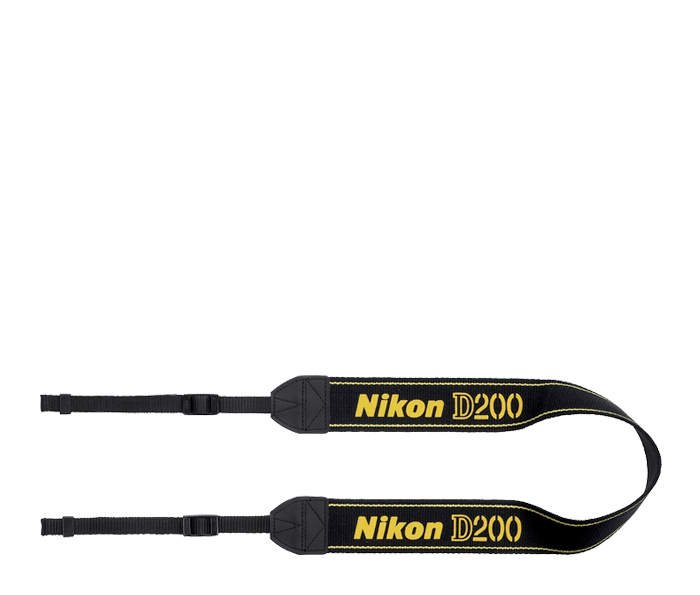
- Supplied AN-D200 strap: Nikon official exact supplied-item photograph; D200 operating manual establishes item supplied with camera
- Supplied EN-EL3e rechargeable battery: Nikon official exact supplied-item photograph; D200 operating manual establishes item supplied with camera
- Supplied UC-E4 USB cable, looped view: Nikon official exact supplied-item photograph; D200 operating manual establishes item supplied with camera
- Supplied USBケーブルUC-E4: Nikon official exact supplied-item photograph; D200 operating manual establishes item supplied with camera
- Supplied EG-D100 video cable, looped view: Nikon official exact supplied-item photograph; D200 operating manual establishes item supplied with camera
- Supplied ビデオケーブル EG-D100: Nikon official exact supplied-item photograph; D200 operating manual establishes item supplied with camera
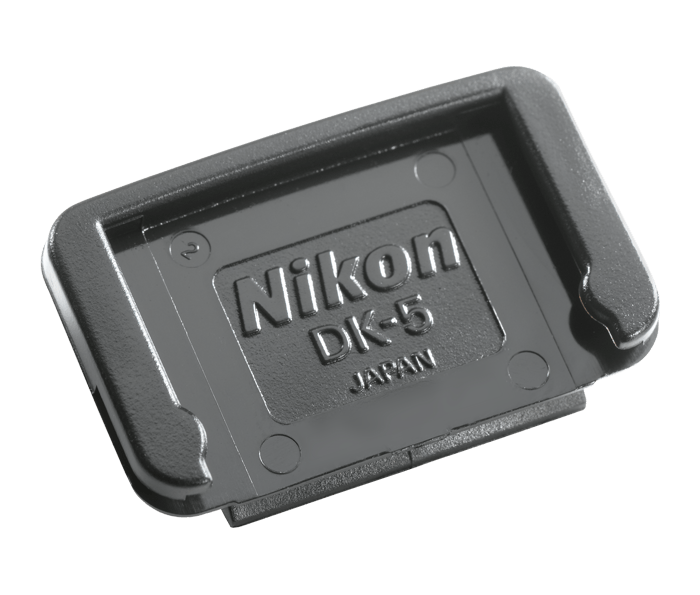
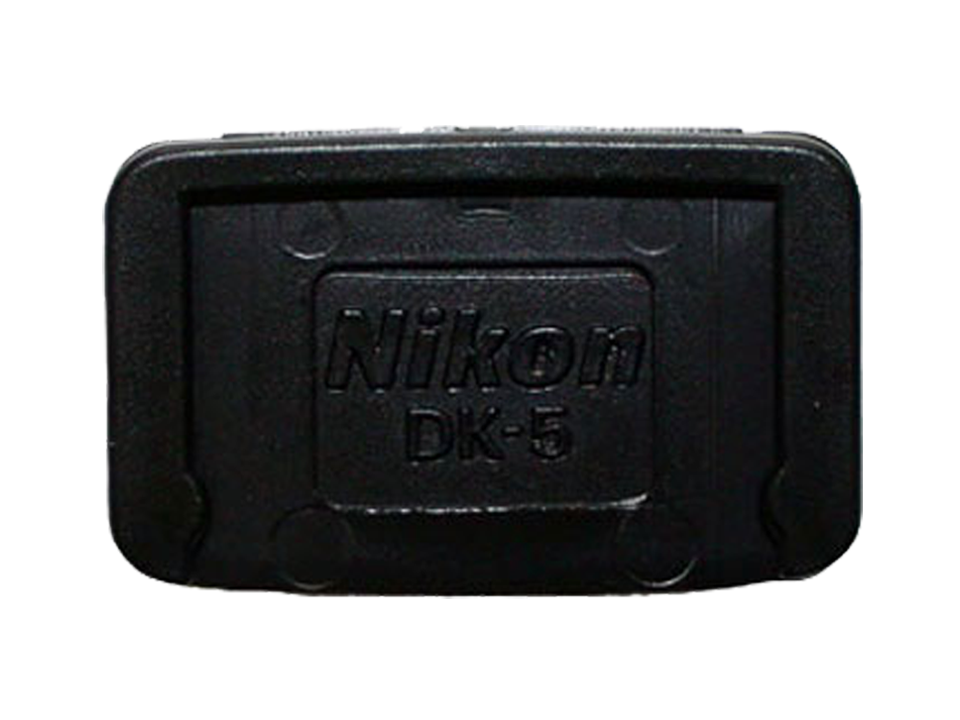
- Supplied DK-5 eyepiece cap, oblique view: Nikon official exact supplied-item photograph; D200 operating manual establishes item supplied with camera
- Supplied アイピースキャップ DK-5: Nikon official exact supplied-item photograph; D200 operating manual establishes item supplied with camera