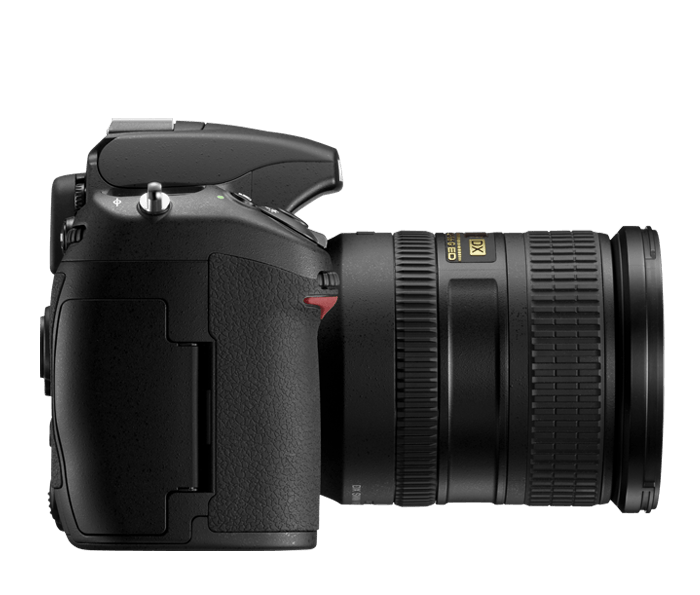
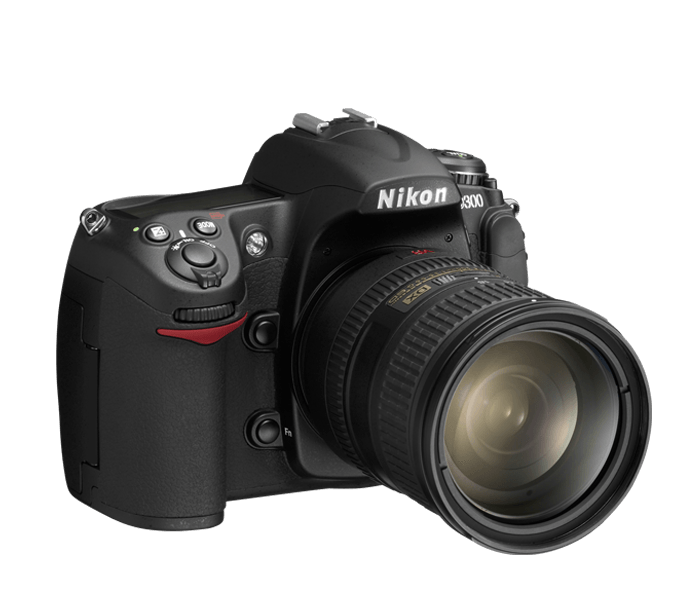
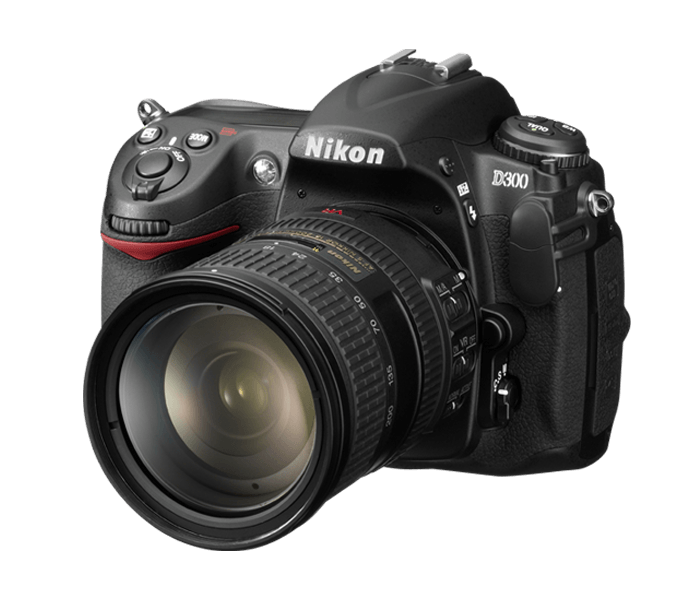
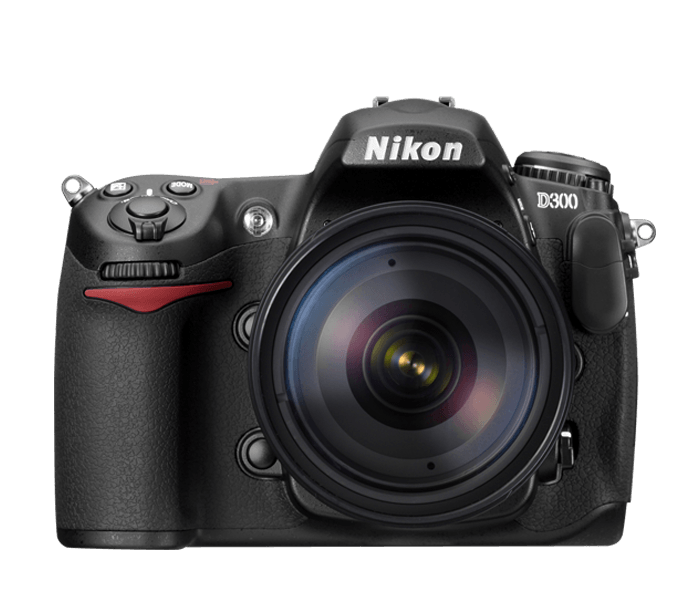
Nikon D300 · Nikon USA front photograph with a lens; lens is not part of body specifications
Nikon · Nikon DSLR
D300
A 12.3-megapixel DX-format DSLR with 51-point autofocus, a 100% optical viewfinder and 6 fps shooting.
- Type
- DSLR
- Sensor
- APS-C
- Megapixels
- 12.3
- Lens
- Nikon F mount
- Video
- –
- Body weight
- 825 g
What reviewers say
Both praise construction, responsive shooting, autofocus and natural-looking photographs, but find it heavy and costly. Cameralabs praises the viewfinder and screen, while finding default JPEGs soft and dust cleaning ineffective. TechRadar praises high-ISO noise control despite reduced texture and saturation, and finds the navigation pad vague. Both consider live view less convenient than its specification suggests.
From cameralabs.com and techradar.com
Specifications
Report a wrong or missing specImage and sensor
- Camera type
- DSLR
- Sensor format
- APS-C
- Sensor type
- CMOS
- Sensor dimensions
- 23.6 × 15.8 mm
- Effective resolution
- 12.3 MP
- Largest image
- 4288 × 2848
- RAW recording
- Yes
- Standard ISO range
- 200–3200
- Sensor detail
- 13.1 million total pixels; vibrating low-pass filter for dust removal; Image Dust Off reference data
- Image formats
- 12-bit or 14-bit NEF RAW, uncompressed, compressed or losslessly compressed; JPEG, TIFF RGB and RAW plus JPEG
- ISO detail
- Expanded equivalents ISO 100–6400; Auto ISO
- Image processor
- EXPEED image-processing system; Scene Recognition System
Lens and shooting
- Lens mount
- Nikon F mount
- Stabilisation
- Optical lens stabilisation
- Maximum continuous burst
- 6 fps
- Lens detail
- AF coupling supports compatible screw-drive lenses. Supported non-CPU AI lenses permit aperture-priority and manual exposure; entered lens data enables colour matrix metering. IX and F3AF lenses unsupported
- Autofocus
- Multi-CAM 3500DX phase detection; 51 points including 15 cross-type; single-point, auto-area and dynamic 9/21/51-point modes with 3D tracking; AF fine-tuning
- Shutter
- 1/8000 to 30 seconds and Bulb; standard flash sync 1/250 second, with 1/320 available at reduced flash range; shutter tested to 150000 cycles
- Burst detail
- Approximately 6 fps with the body's EN-EL3e. Up to 8 fps using MB-D10 with EN-EL4/EN-EL4a or eight AA cells, or EH-5/EH-5a AC power; an EN-EL3e in the grip alone does not provide 8 fps. 14-bit RAW limits speed to approximately 2.5 fps
- Stabilisation detail
- Optical VR depends on the attached lens; no sensor-shift stabilisation
- Flash
- Pop-up i-TTL flash; guide number approximately 12 at ISO 100 in metres, 13 at full manual output; commander support, hot shoe and PC sync terminal
- Exposure controls
- P/S/A/M; 1005-pixel RGB 3D Colour Matrix Metering II; ±5 EV compensation; Active D-Lighting and interval timer
Screen and viewfinder
- Viewfinder
- Optical
- Screen size
- 3″
- Screen dots
- 920,000
- Tilting screen
- No
- Display detail
- Fixed TFT with 170° viewing angle; dots count subpixels; removable protective cover
- Viewfinder detail
- Pentaprism, approximately 100% coverage and 0.94× magnification with 50mm at infinity; 19.5 mm eyepoint; selectable grid
Connections and design
- Wi-Fi
- No
- Battery life (maker's claim)
- 1000 photographs
- Body weight
- 825 g
- Release detail
- Nikon's original US announcement specifies November 2007 availability; Japan records 23 November. Main retains the month
- Recording media
- CompactFlash Type I/II, including UDMA, and Microdrive; single slot
- Ports
- USB 2.0 Hi-Speed, analogue NTSC/PAL output, full-size HDMI Type A (HDMI 1.3a), ten-pin accessory terminal and PC flash sync; optional MC-35 connects compatible external GPS receivers
- Wireless connections
- Optional WT-4 transmitter supplies network transfer; Wi-Fi is not built into the body
- Battery life detail
- EN-EL3e; approximately 1000 shots under CIPA conditions with AF-S VR 24–120mm f/3.5–5.6G ED, flash on alternate exposures and no live view. Separate Nikon continuous test claims approximately 3000. Optional MB-D10 accepts EN-EL3e, EN-EL4/EN-EL4a or eight AA cells
- Charging
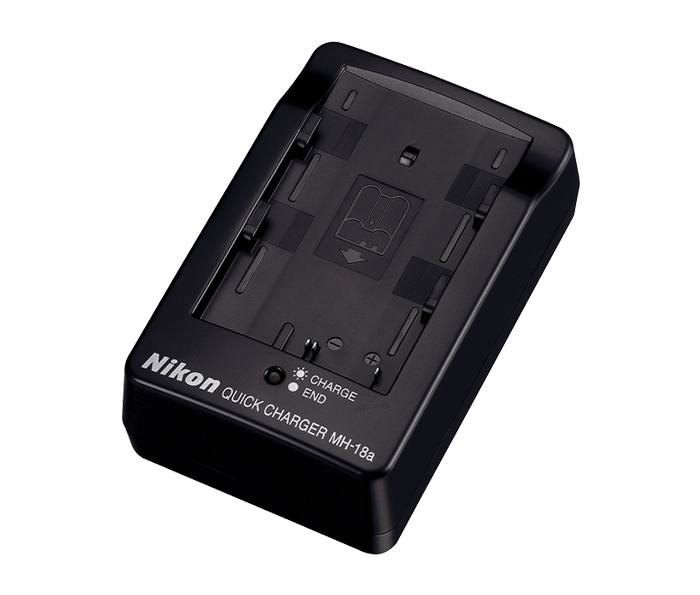
- External MH-18a charger; optional EH-5/EH-5a AC adapter
- Dimensions
- Approximately 147 × 114 × 74 mm
- Weight detail
- Approximately 825 g excluding battery, card, body cap and monitor cover
- Materials
- Magnesium-alloy construction with dust and moisture seals; not a waterproof rating
Video
- Video detail
- No movie recording. Handheld live view uses phase-detection AF with mirror interruption; Tripod live view uses contrast-detection AF
Pros and cons
Pros
- 51-point autofocus with 15 cross-type sensors
- Optical viewfinder covers the whole recorded frame
- Magnesium-alloy construction and environmental seals
Cons
- 14-bit RAW reduces continuous shooting to 2.5 fps
- Fixed rear screen and no movie recording
- Faster 8 fps shooting requires additional power equipment
Closest rivals
Model | Type | Sensor | Megapixels | Lens | Video | Body weight | Released |
|---|---|---|---|---|---|---|---|
| DSLR | APS-C | 12.24 | Sony A-mount | – | 690 g | Sept 2007 | |
| DSLR | APS-C | 10.2 | Nikon F mount | – | 495 g | Mar 2007 | |
| DSLR | APS-C | 10.2 | Sony A-mount | – | 545 g | Jul 2006 |


Sources
- nij.nikon.com/products/lineup/slr/d300/spec.html
- nij.nikon.com/products/lineup/slr/d300
- cdn-10.nikon-cdn.com/pdf/manuals/noprint/D300_en_noprint.pdf
- nikonusa.com/p/d300/25432/overview
- nikonusa.com/press-room/nikon-introduces-the-new-d300-
- cameralabs.com/nikon_d300
- cameralabs.com/nikon_d300/2
- cameralabs.com/nikon_d300/3
- cameralabs.com/nikon_d300/4
- cameralabs.com/nikon_d300/5
- cameralabs.com/nikon_d300/6
- cameralabs.com/nikon_d300/7
- cameralabs.com/nikon_d300/8
- cameralabs.com/nikon_d300/9
- cameralabs.com/nikon_d300/10
- cameralabs.com/nikon_d300/11
- cameralabs.com/nikon_d300/12
- cameralabs.com/nikon_d300/13
- techradar.com/reviews/cameras-and-camcorders/cameras/digital-slrs-hybrids/nikon…
Photo: Nikon USA front photograph with a lens; lens is not part of body specifications
- D300 right-side camera view with attached lens: Nikon official exact D300 camera photograph with attached lens
- D300 left-side camera view with attached lens: Nikon official exact D300 camera photograph with attached lens
- D300 front oblique with attached lens: Nikon official exact D300 camera photograph with attached lens
- D300 opposite front oblique with attached lens: Nikon official exact D300 camera photograph with attached lens
- Supplied MH-18a quick charger: Nikon official supplied-item photograph; exact D300 Japan accessory list marks item included
- Supplied EN-EL3e rechargeable battery, front: Nikon official supplied-item photograph; exact D300 Japan accessory list marks item included
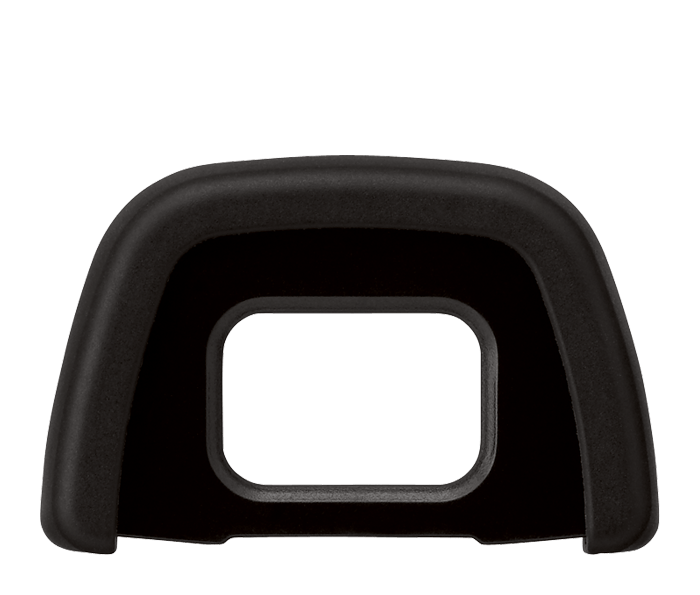
- Supplied DK-23 rubber eyecup: Nikon official supplied-item photograph; exact D300 Japan accessory list marks item included
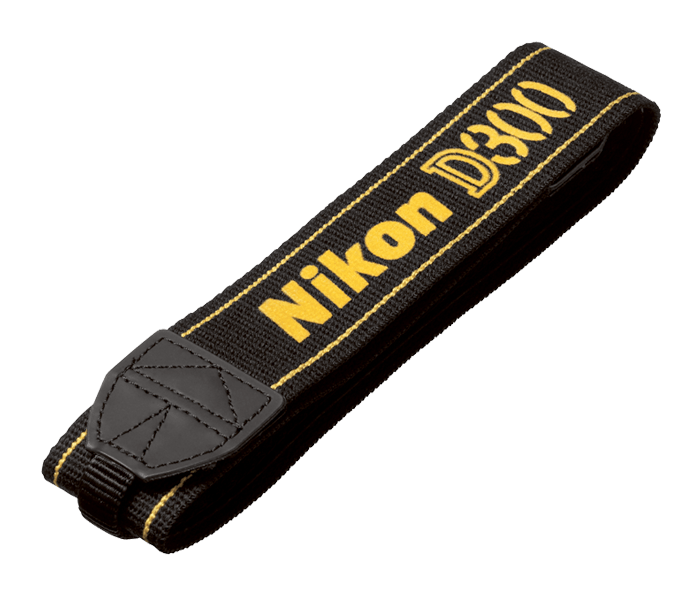
- Supplied AN-D300 camera strap: Nikon official supplied-item photograph; exact D300 Japan accessory list marks item included
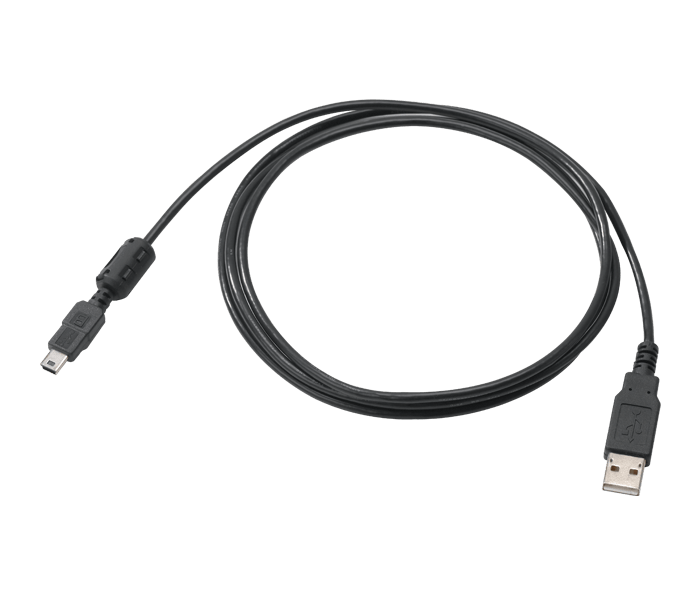
- Supplied UC-E4 USB cable, looped configuration: Nikon official supplied-item photograph; exact D300 Japan accessory list marks item included
- Supplied UC-E4 USB cable, bundled configuration: Nikon official supplied-item photograph; exact D300 Japan accessory list marks item included