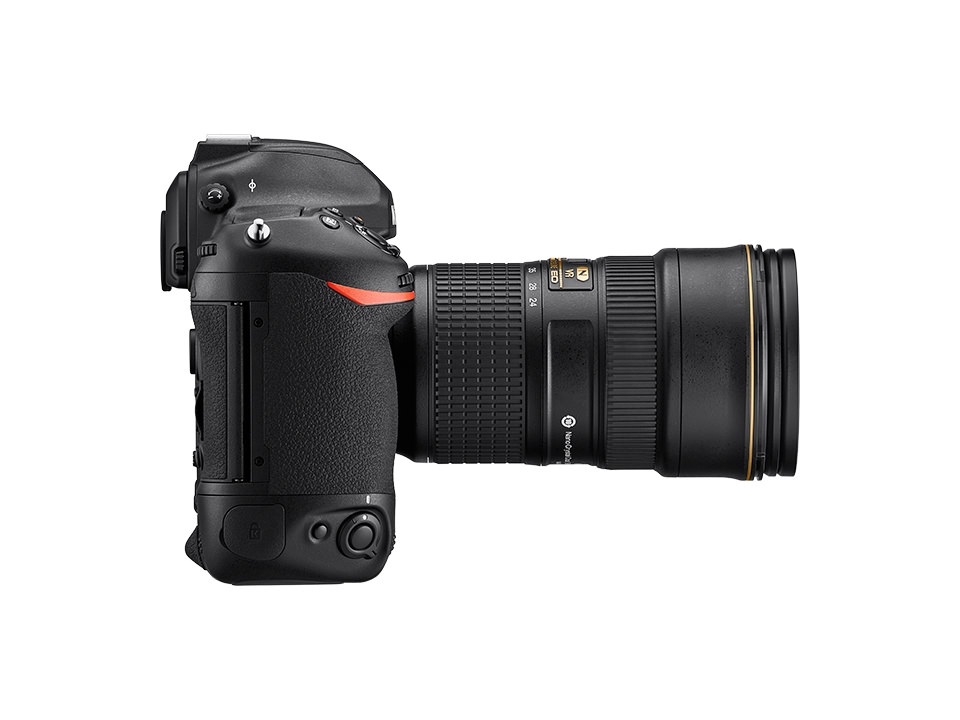
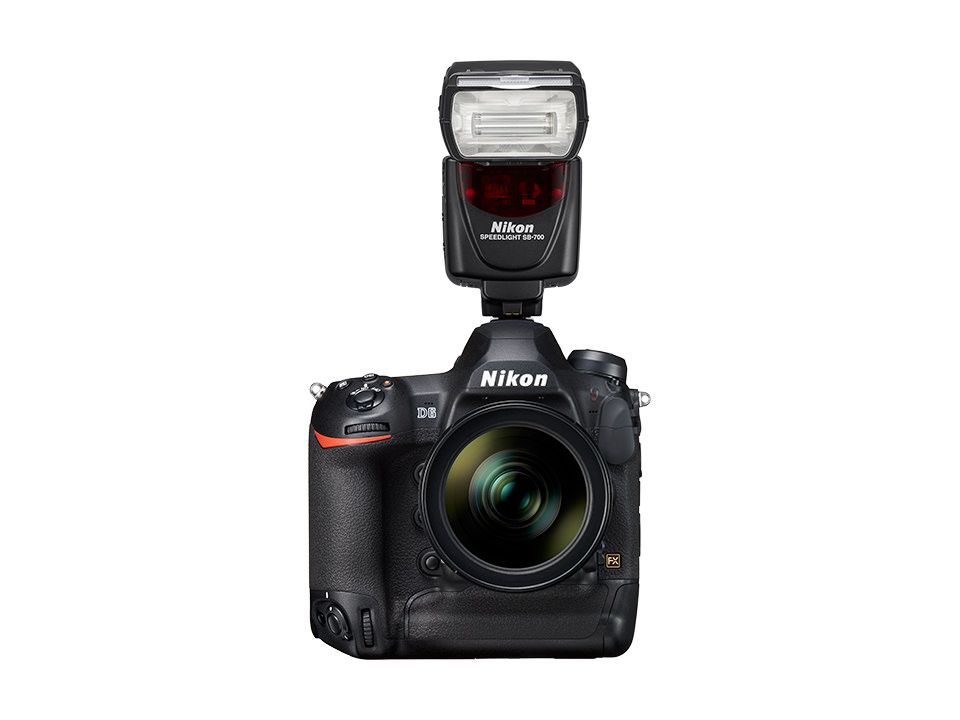
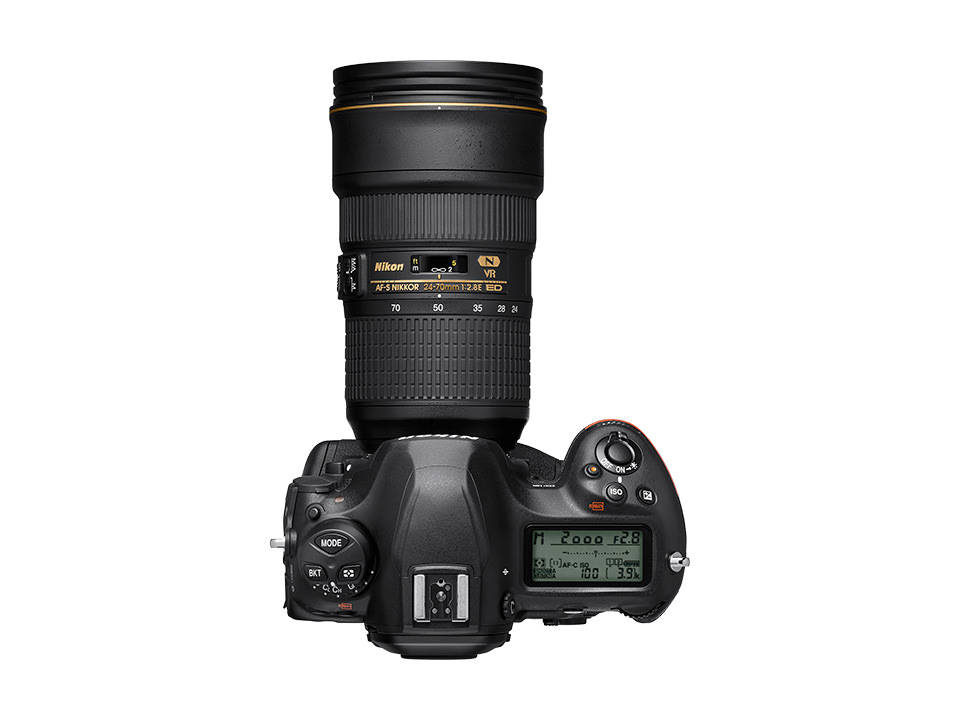
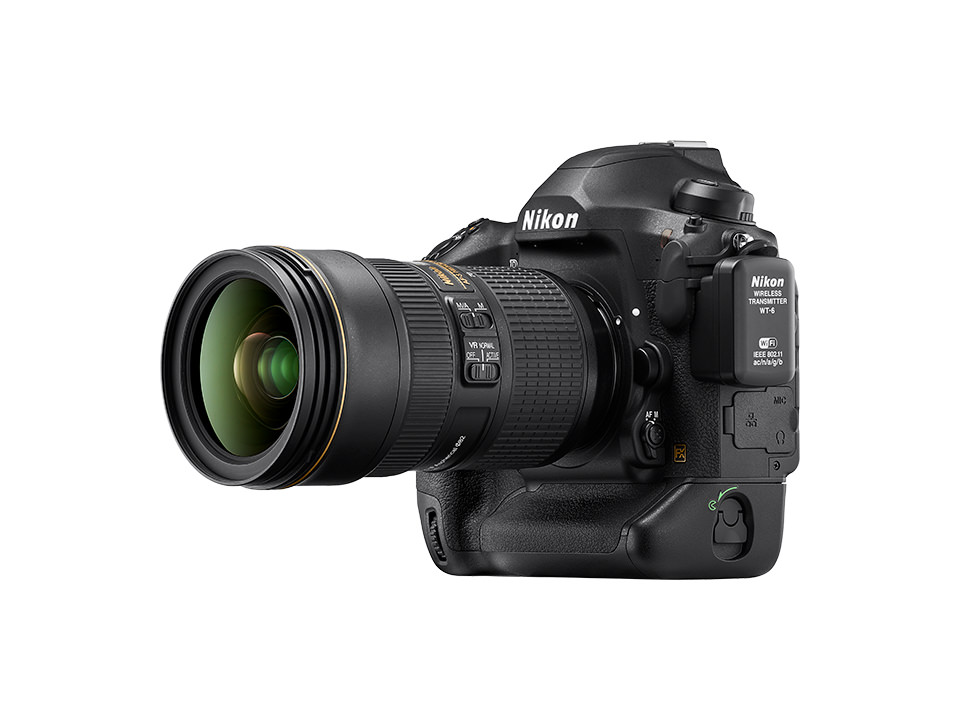
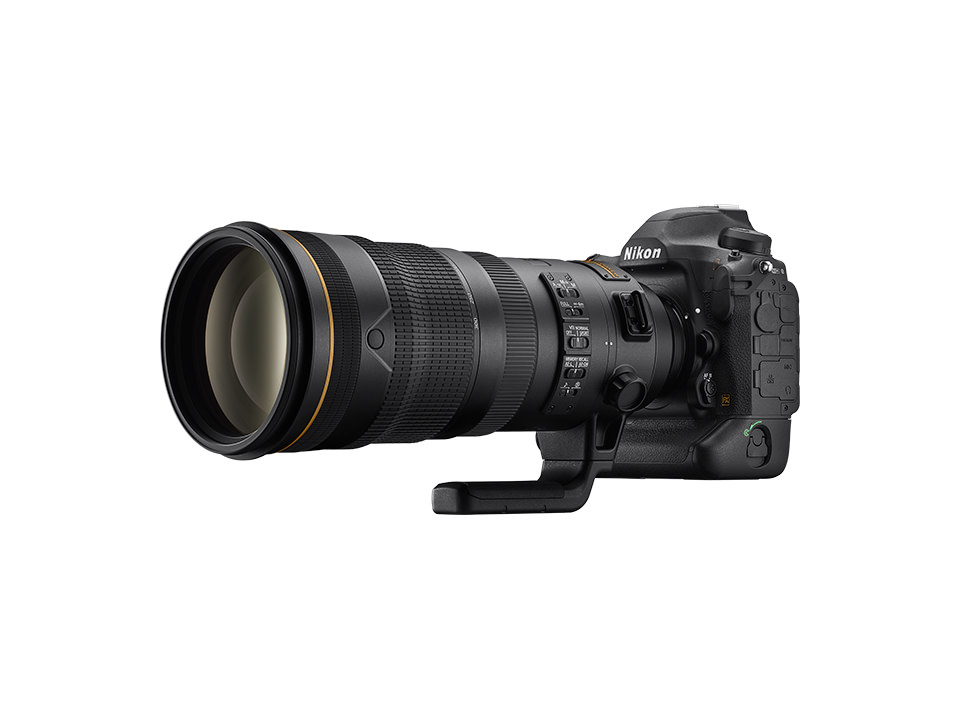
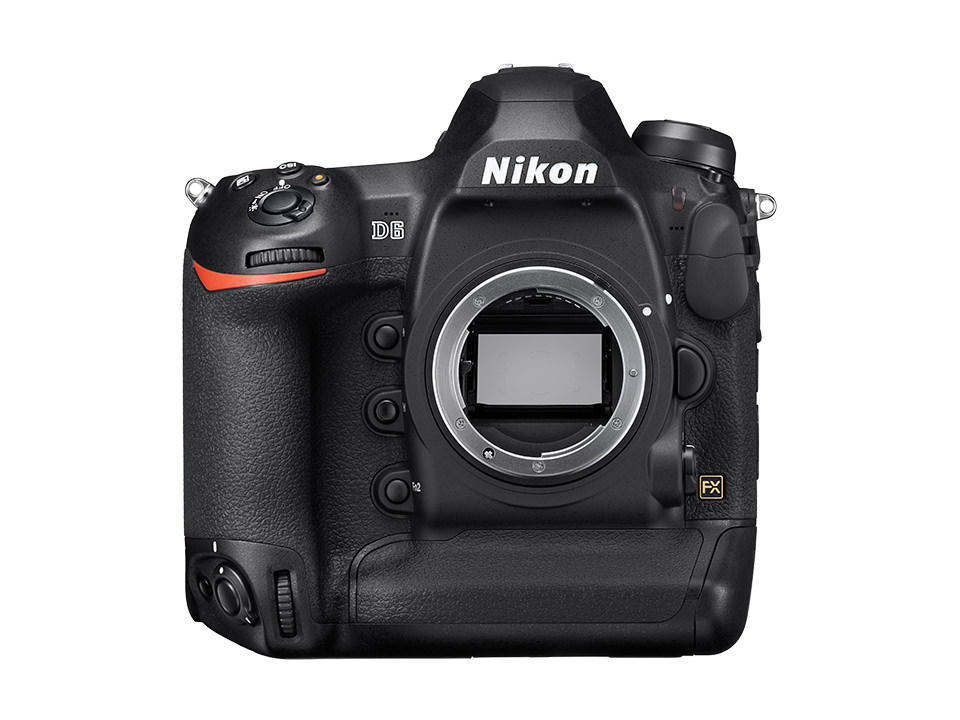
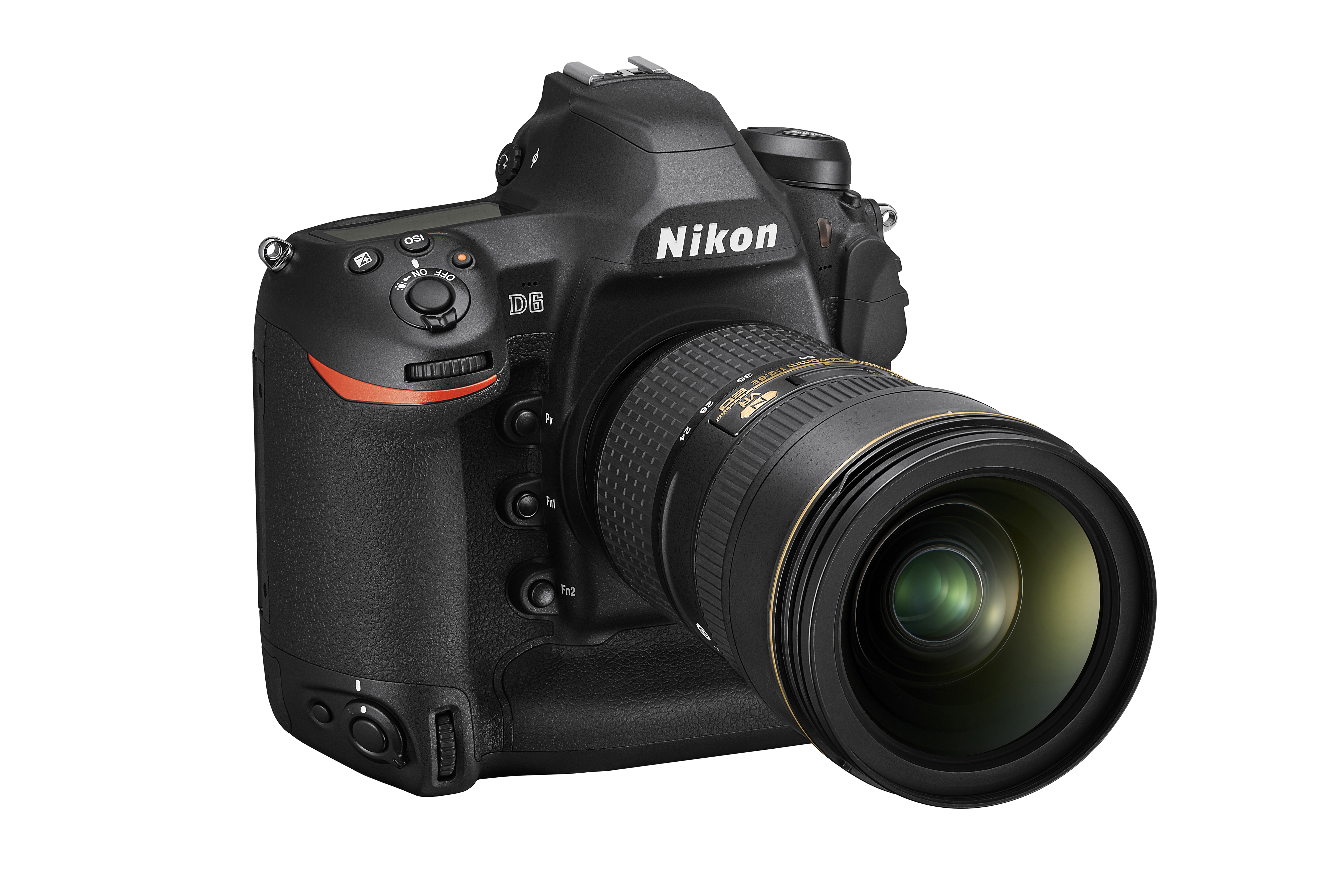
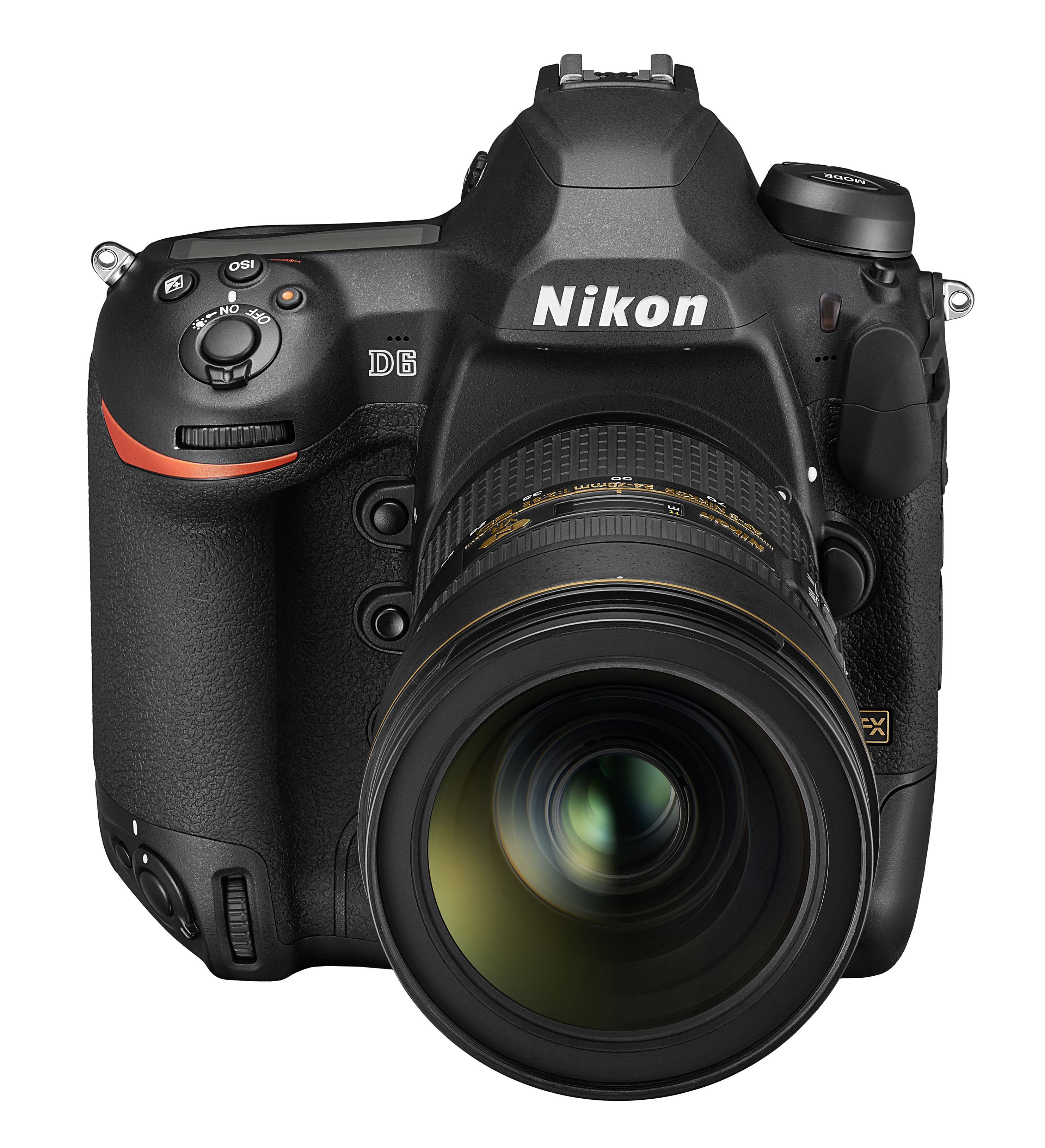
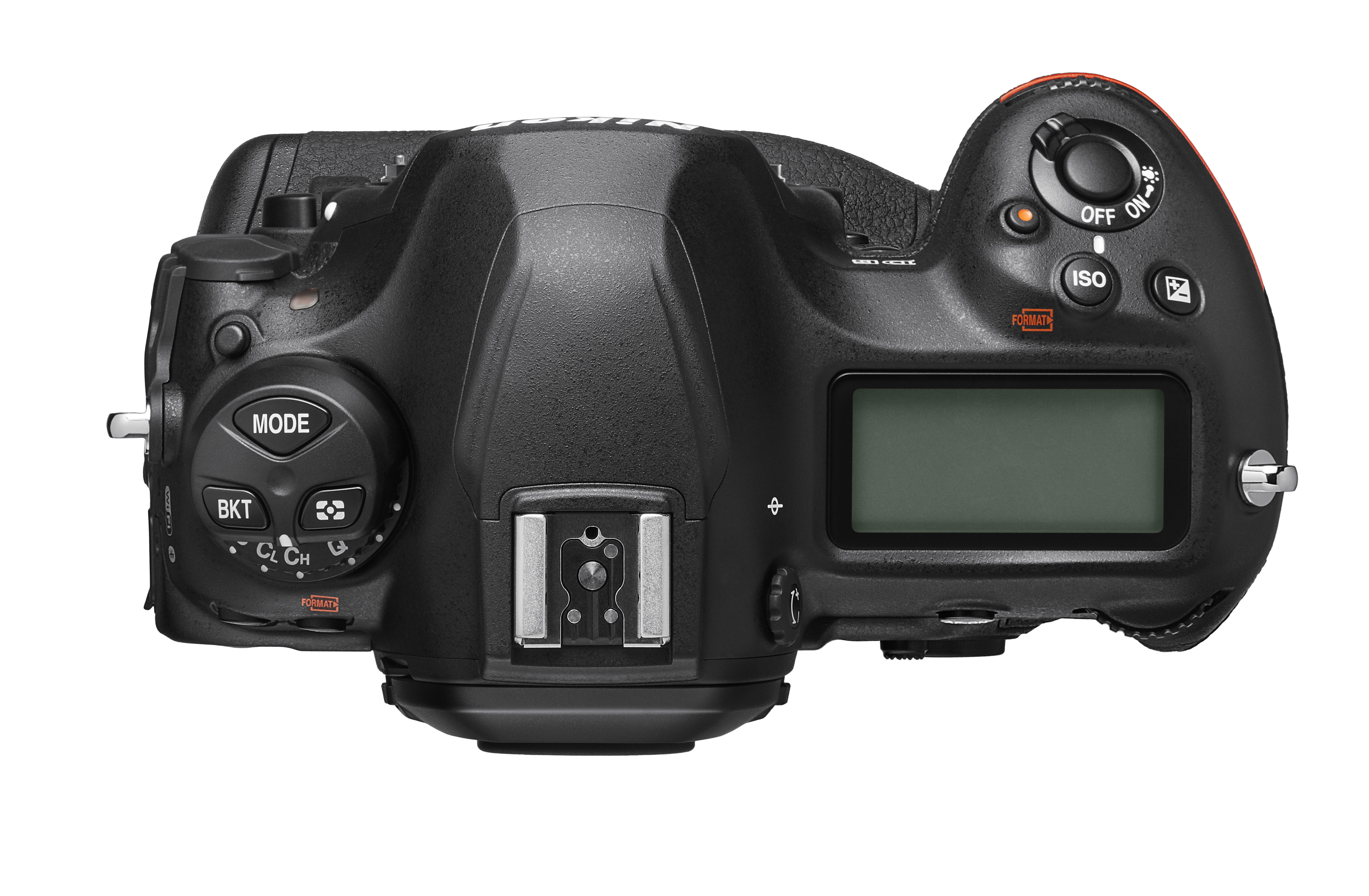
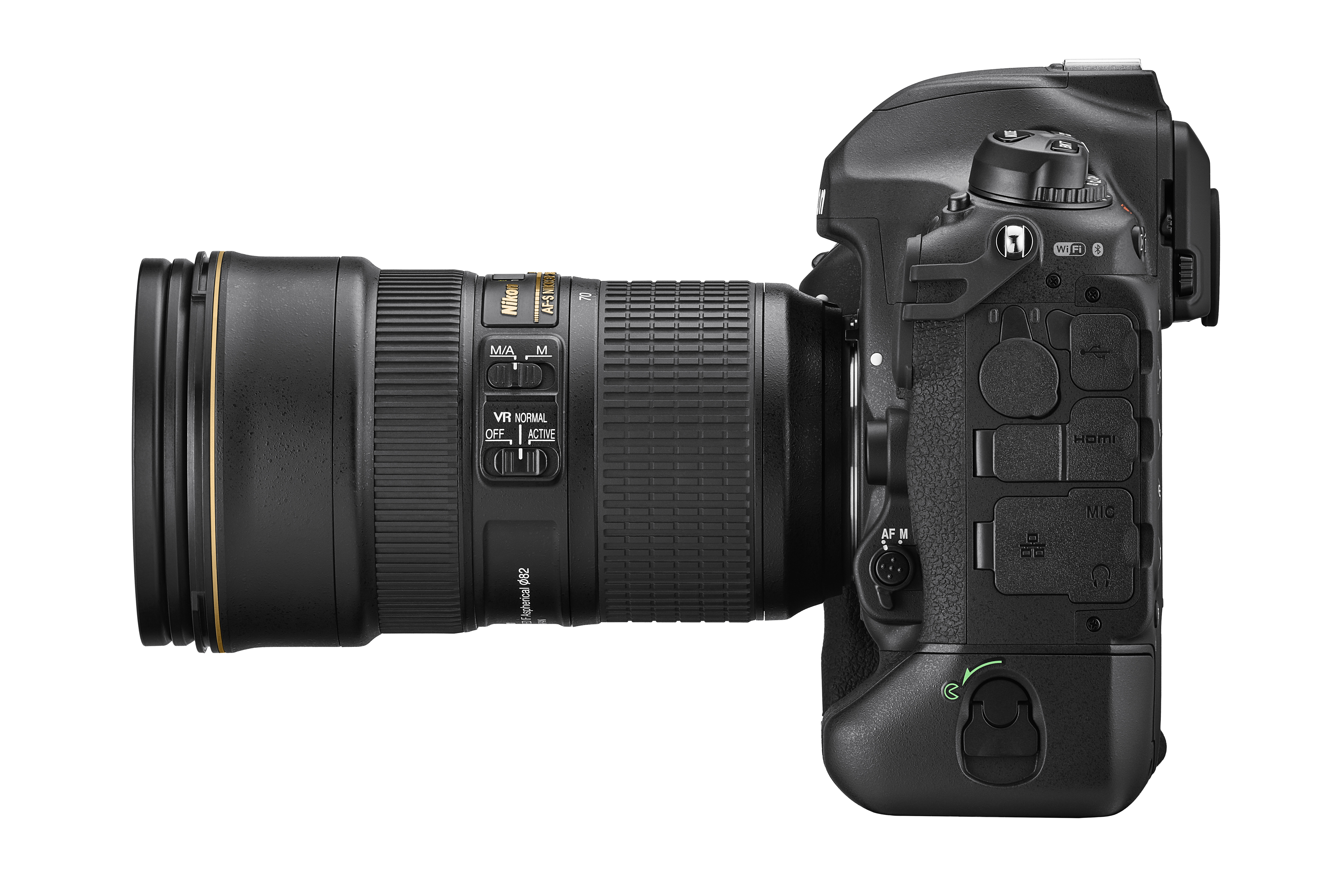
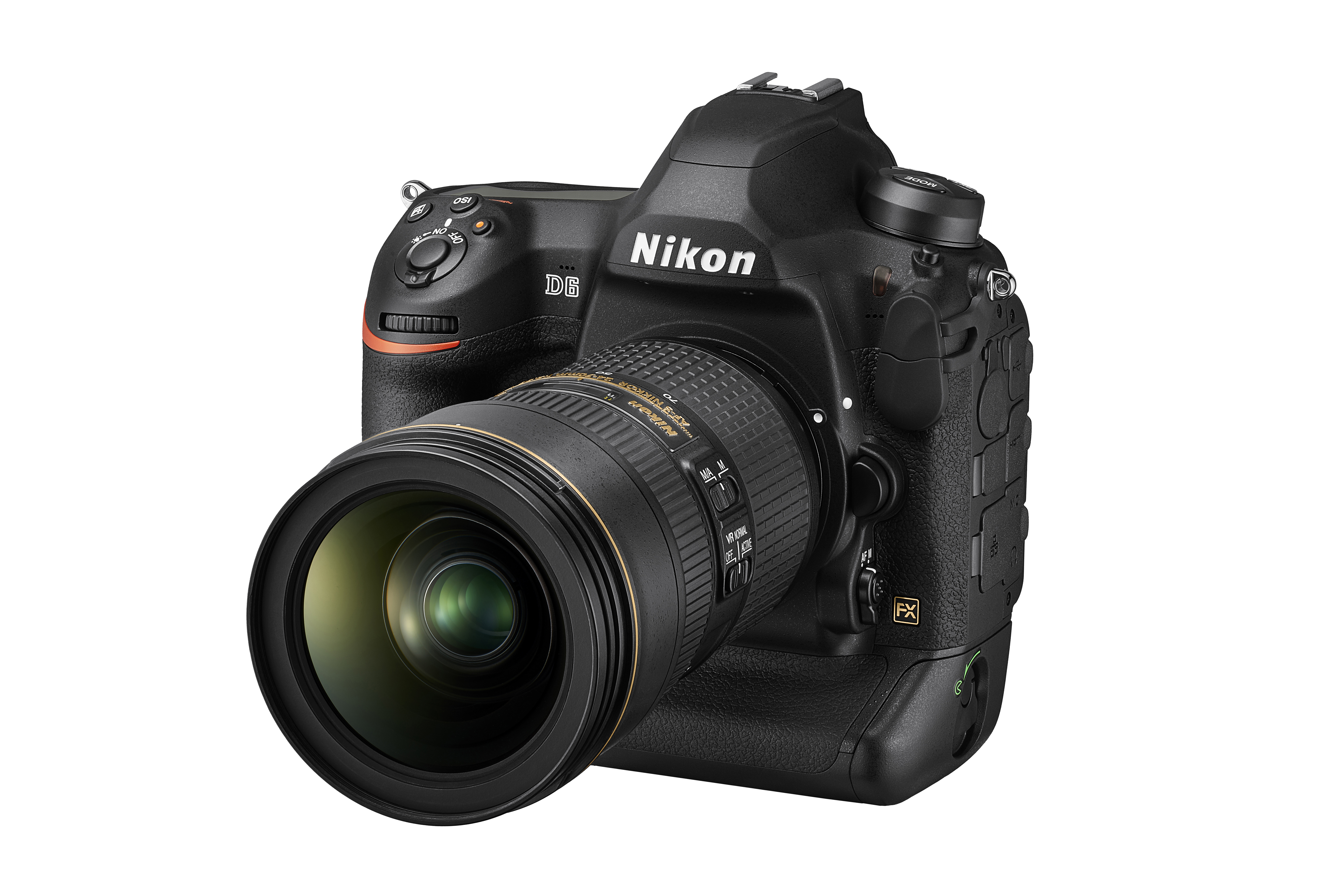
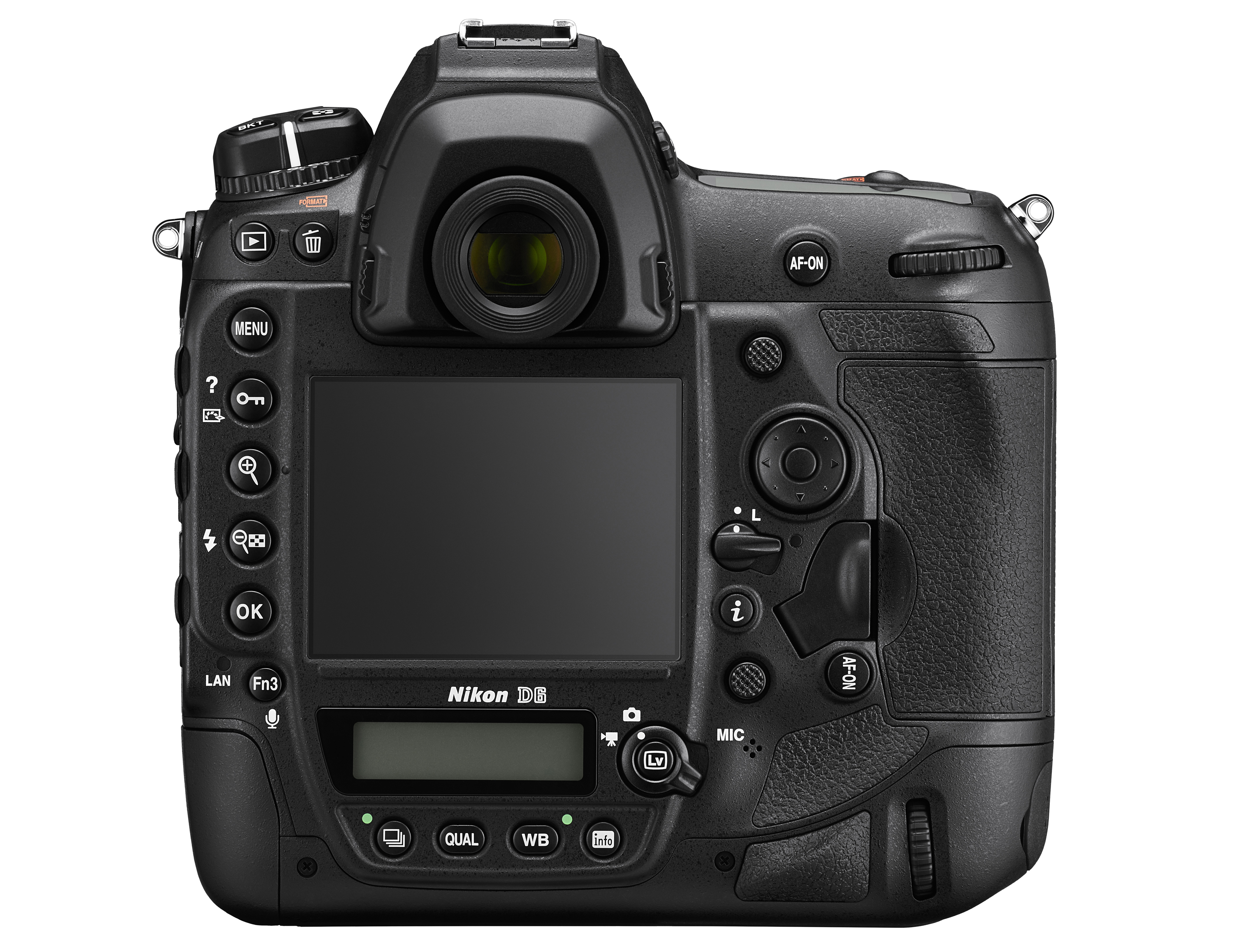
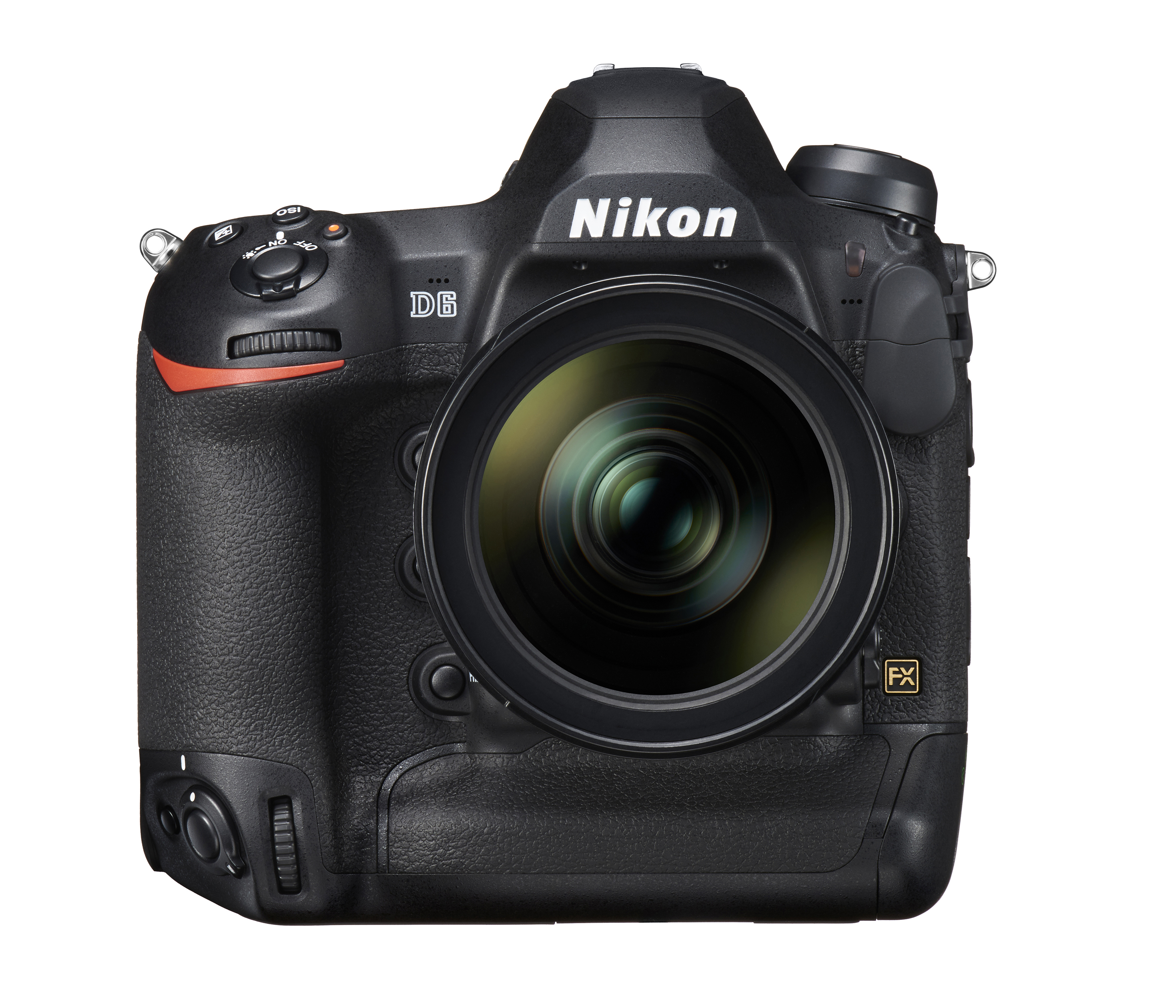
Nikon D6 · Nikon USA press photograph with AF-S 24–70mm VR lens; lens is not part of body specifications
Nikon · Nikon DSLR
D6
A 20.8-megapixel full-frame professional DSLR with 105 cross-type autofocus points, 14 fps tracking and integrated networking.
- Type
- DSLR
- Sensor
- Full frame
- Megapixels
- 20.8
- Lens
- Nikon F mount
- Video
- 3840 × 2160 at 30 fps
- Body weight
- 1270 g
What reviewers say
Both praise fast viewfinder autofocus, low-light image quality, durable handling and improved connectivity, while criticising bulk and weak live-view focusing. Photography Blog sees a dependable evolution and its working photographer questions upgrading from D5. Digital Camera World finds excellent action stills but poor video autofocus, restricted AF coverage and stronger competing systems for buyers without existing Nikon equipment.
Specifications
Report a wrong or missing specImage and sensor
- Camera type
- DSLR
- Sensor format
- Full frame
- Sensor type
- CMOS
- Sensor dimensions
- 35.9 × 23.9 mm
- Effective resolution
- 20.8 MP
- Largest image
- 5568 × 3712
- RAW recording
- Yes
- Standard ISO range
- 100–102400
- Sensor detail
- Japan specifies 20.82 million effective and 21.33 million total pixels, rounded to 20.8 million effective globally; sensor-cleaning system. FX, 1.2×, DX, 5:4, 1:1 and 16:9 image areas
- Image formats
- Large NEF RAW at 12 or 14 bits with lossless compression, compression or no compression; medium and small RAW fixed to 12-bit lossless compression. JPEG and RAW plus JPEG; separate JPEG plus JPEG recording with different size/quality settings; Flat and Creative Picture Controls
- ISO detail
- Expanded equivalents ISO 50–3280000; Auto ISO
- Image processor
- EXPEED 6; Advanced Scene Recognition System
Lens and shooting
- Lens mount
- Nikon F mount
- Stabilisation
- Optical lens stabilisation
- Maximum continuous burst
- 14 fps
- Lens detail
- Compatible G/E/D AF NIKKOR lenses, subject to PC lens restrictions; body autofocus motor for compatible screw-drive lenses. Non-CPU AI lenses support aperture-priority/manual; non-AI, IX and F3AF lenses unsupported; DX lenses use the DX image area
- Autofocus
- Multi-CAM 37K; 105 selectable cross-type points, including 15 f/8-compatible points. Centre sensitivity -4.5 EV and other points -4 EV at ISO 100, 20°C. Single-point, dynamic 9/25/49/105, 3D tracking, Group-area and auto-area; 17 custom Group-area patterns; eye-priority focusing in auto-area and 3D tracking. Live view uses contrast detection with AF-S/AF-F
- Shutter
- 1/8000 to 30 seconds, Bulb and Time; manual exposures extend to 900 seconds; flash sync 1/250 second; electronic front-curtain and electronic shutter options
- Burst detail
- Approximately 14 fps mechanical with full AF/AE tracking under Nikon's AF-C, S/M, 1/250-second-or-faster test conditions. Silent full-resolution live-view shooting up to 10.5 fps; separate reduced-resolution live-view modes approximately 30 fps at 8 megapixels or 60 fps at 2 megapixels
- Stabilisation detail
- Optical VR depends on the lens; no sensor-shift stabilisation; electronic movie vibration reduction available
- Flash
- No built-in flash; hot shoe and threaded PC sync terminal; optical/radio Nikon CLS with compatible external Speedlights and required accessories
- Exposure controls
- P/S/A/M; 180000-pixel RGB viewfinder metering with Colour Matrix Metering III, centre-weighted, spot and highlight-weighted modes; ±5 EV stills or ±3 EV video compensation; Active D-Lighting
Video
- Highest video resolution
- 3840 × 2160 at 30 fps
- Video detail
- H.264 MOV/MP4 at 4K 30p/25p/24p, Full HD 60p/50p/30p/25p/24p and 720p 60p/50p; actual NTSC rates 59.94/29.97/23.976. Nikon identifies 4K as 1.5× crop and native 1920 × 1080 crop as 3.0×; the latter supports 60p/50p/30p/25p/24p. Maximum recording 29 minutes 59 seconds; 4K up to 144 Mbps; timecode and in-camera time-lapse movies. Cards over 32 GB formatted in-camera allow files over 4 GB without splitting
- Audio
- Built-in stereo microphone; 3.5 mm stereo microphone input and headphone output; adjustable sensitivity and attenuator; linear PCM for MOV or AAC for MP4; photograph voice memos
Screen and viewfinder
- Viewfinder
- Optical
- Screen size
- 3.2″
- Screen dots
- 2,359,000
- Touchscreen
- Yes
- Display detail
- Fixed touch TFT with 170° viewing angle, approximately 100% coverage, 11-level manual brightness and colour adjustment; touch priority image transfer with Ethernet or optional WT-6 connection. Global specifies 2359000 dots, Japan rounds to 2360000; dots count subpixels
- Viewfinder detail
- Pentaprism; approximately 100% FX coverage; 0.72× magnification with 50mm f/1.4 at infinity; 17 mm eyepoint; grid overlay
Connections and design
- Wi-Fi
- Yes
- Bluetooth
- Yes
- Battery life (maker's claim)
- 3580 photographs
- Body weight
- 1270 g
- Release detail
- Nikon Japan records sale on 5 June 2020 after postponements from March to May and then June; the original US announcement's April plan is not an actual retail date. Nikon's Japanese announcement explicitly identifies D5 as the previous model
- Recording media
- Two slots each accepting CFexpress Type B or XQD; overflow, backup, separate RAW/JPEG, separate JPEG/JPEG and card copying
- Ports
- USB Type-C with SuperSpeed USB, mini-HDMI Type C, 3.5 mm microphone/headphone sockets, RJ-45 Ethernet with 10/100/1000BASE-T support, ten-pin accessory terminal, PC sync and WT-6 expansion connector; Kensington security lock compatibility
- Wireless connections
- Integrated 802.11a/b/g/n/ac Wi-Fi, Bluetooth 4.2 and SnapBridge; 5 GHz availability depends on region and station mode. Integrated GPS/GLONASS/QZSS positioning, unavailable in some regions; optional WT-6 transmitter for network transfer
- Battery life detail
- EN-EL18c; approximately 3580 CIPA single-frame photographs, 8670 continuous photographs under Nikon's separate test and 105 minutes of CIPA movie battery life. EN-EL18b/18a/18 also supported, with lower endurance using original EN-EL18
- Charging
- External MH-26a charger; optional EH-6c adapter with EP-6 power connector
- Dimensions
- Approximately 160 × 163 × 92 mm
- Weight detail
- Approximately 1270 g body only; 1450 g with battery and two CFexpress cards, excluding body cap and shoe cover
- Materials
- Magnesium-alloy body; dust/drip-resistant construction; illuminated controls
- In the box
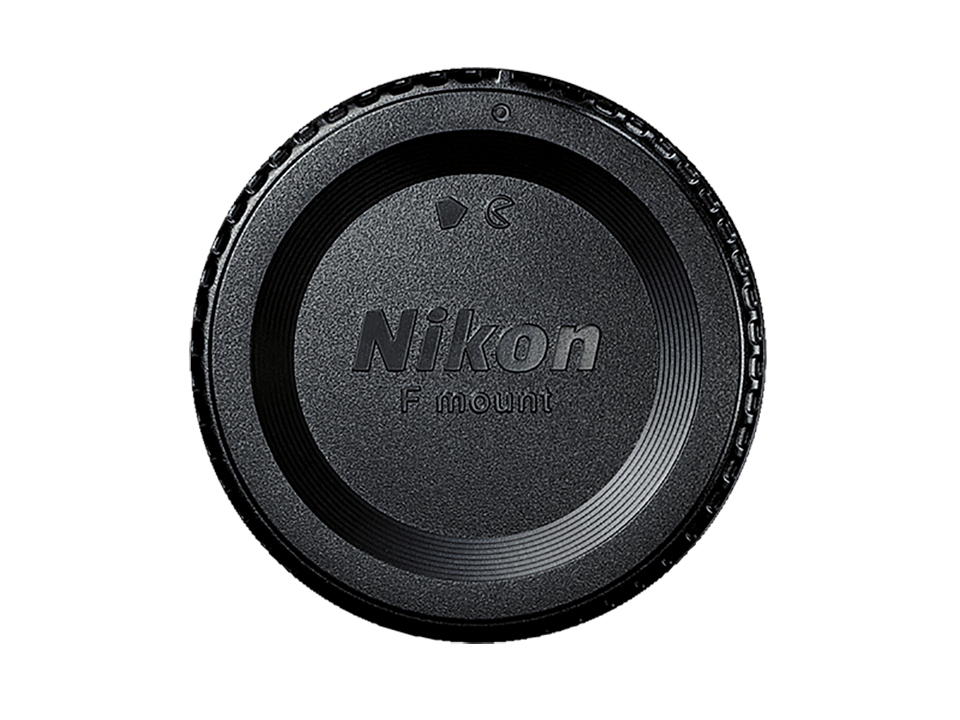
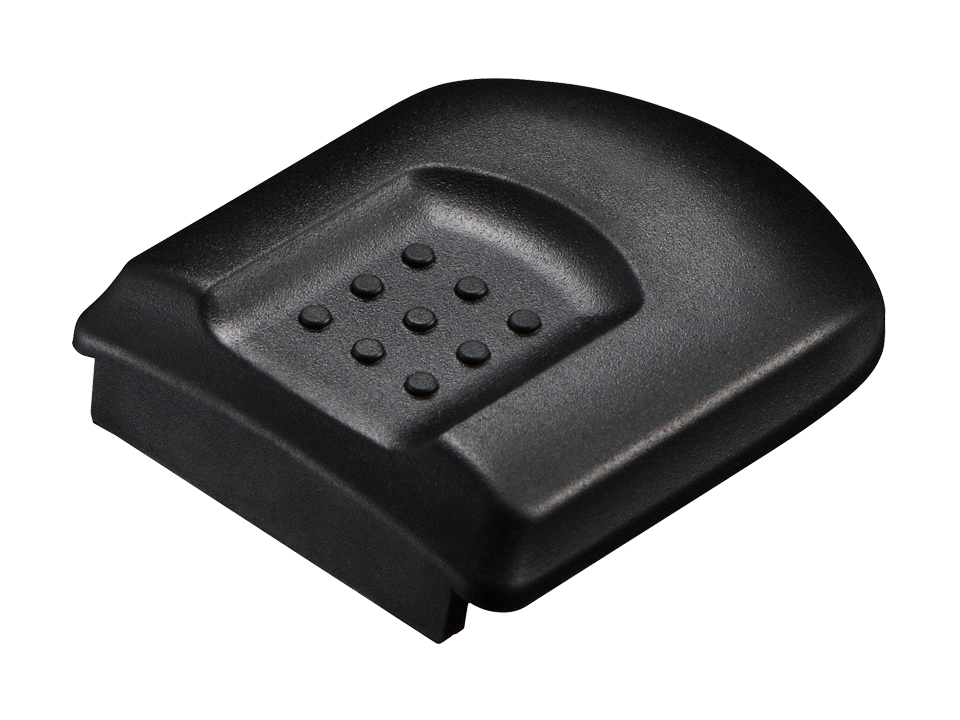
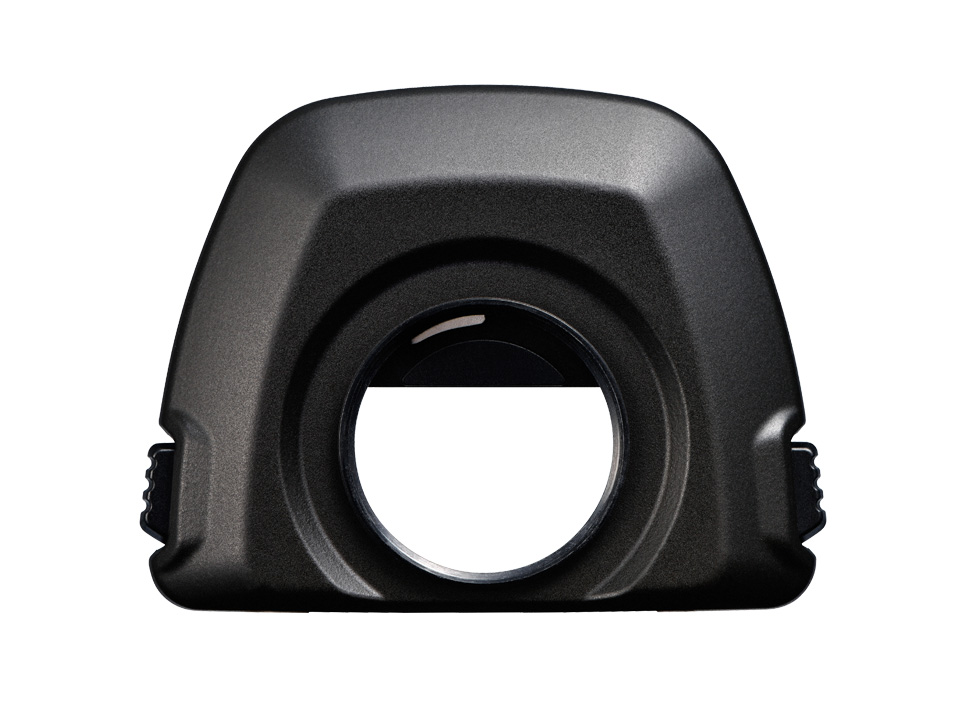
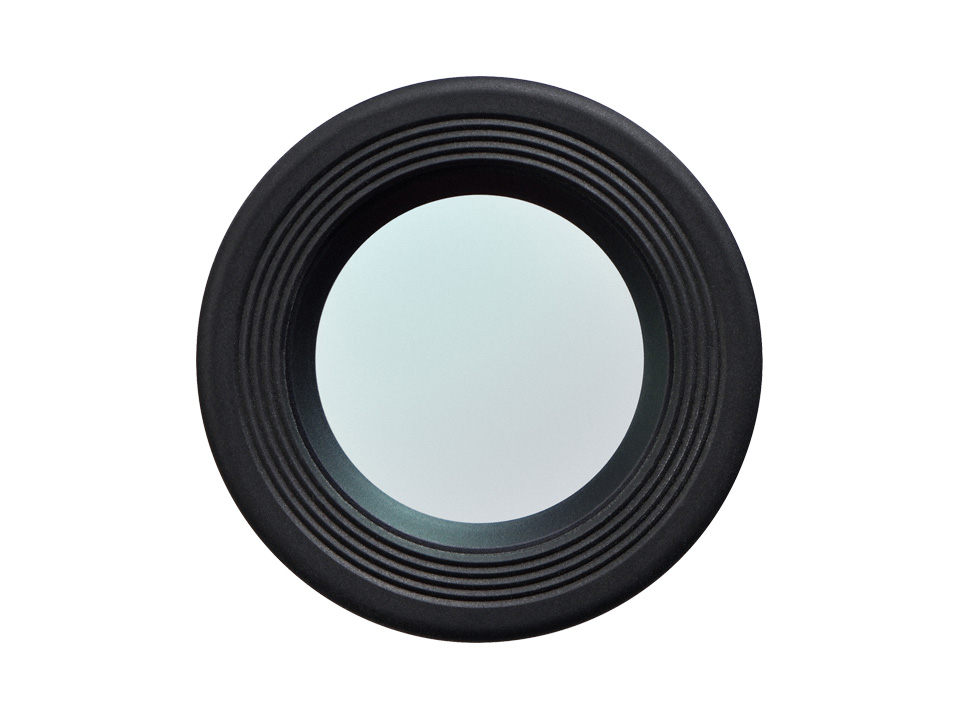
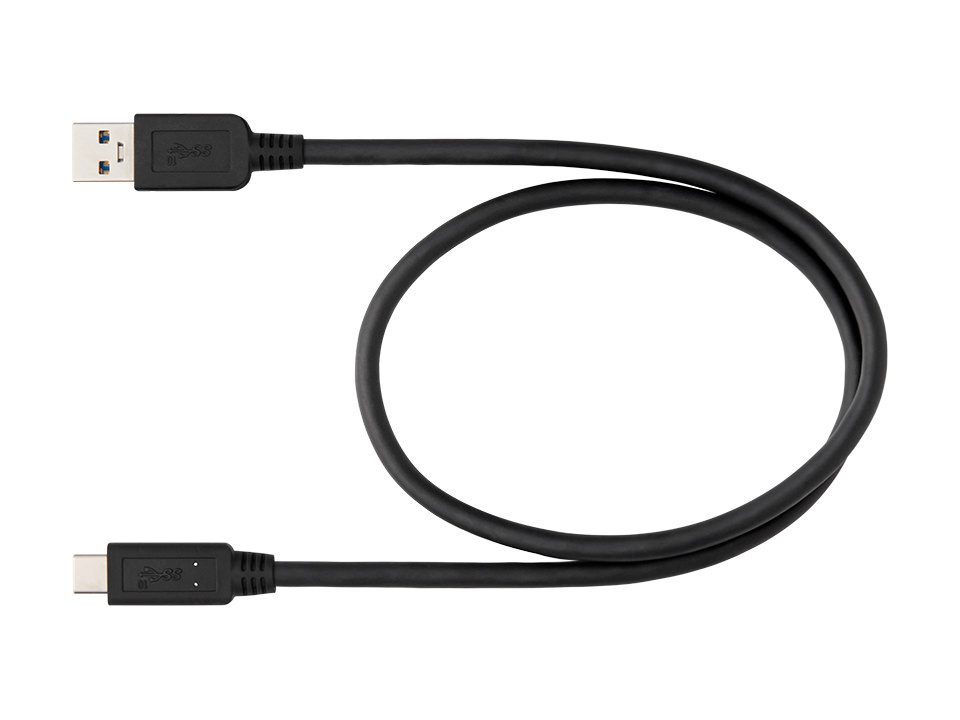
- EN-EL18c battery, MH-26a charger, UC-E24 USB cable, AN-DC22 strap, DK-27 eyepiece adapter, DK-17F eyepiece, BF-1B body cap, BS-3 shoe cover, BL-6 battery cover and HDMI/USB cable clip
Pros and cons
Pros
- Full-resolution 14 fps shooting with autofocus and exposure tracking
- All 105 autofocus points are selectable and cross-type
- Integrated Wi-Fi, Bluetooth, positioning and Gigabit Ethernet
Cons
- Fixed screen and contrast-detection live-view autofocus
- 4K video limited to 30p with a crop
- Large body weighing 1270 g before battery and cards
Closest rivals
Model | Type | Sensor | Megapixels | Lens | Video | Body weight | Released |
|---|---|---|---|---|---|---|---|
| DSLR | Full frame | 20.1 | Canon EF | 5472 × 2886 at 59.94 fps | 1250 g | Feb 2020 | |
| DSLR | Full frame | 24.5 | Nikon F mount | 3840 × 2160 at 29.97 fps | 755 g | Jan 2020 | |
| DSLR | Full frame | 36.4 | PENTAX KAF2 bayonet mount | 1920 × 1080 at 30 fps | 925 g | Apr 2018 |


Previous model: D5.
Sources
- nij.nikon.com/products/lineup/slr/d6/spec.html
- nij.nikon.com/products/lineup/slr/d6
- imaging.nikon.com/imaging/lineup/dslr/d6
- nikonusa.com/p/d6/1624/overview
- jp.nikon.com/company/news/2020/0212_d6_01
- nikonusa.com/press-room/nikon-d6
Photo: Nikon USA press photograph with AF-S 24–70mm VR lens; lens is not part of body specifications
- D6 with optional 24–70mm lens, right side view: nij.nikon.com/cms/products/slr/lineup/d6/img/index/product_06.jpg
- D6 with optional 24–70mm lens and SB-700 Speedlight: nij.nikon.com/cms/products/slr/lineup/d6/img/index/product_07.jpg
- D6 with optional 24–70mm lens, top view: nij.nikon.com/cms/products/slr/lineup/d6/img/index/product_08.jpg
- D6 with optional 24–70mm lens and WT-6 wireless transmitter: nij.nikon.com/cms/products/slr/lineup/d6/img/index/product_09.jpg
- D6 with optional super-telephoto zoom lens: nij.nikon.com/cms/products/slr/lineup/d6/img/index/product_10.jpg
- D6 body without lens, front view: nij.nikon.com/cms/products/slr/lineup/d6/img/index/product_11.jpg
- D6 with optional 24–70mm lens, right three-quarter view: images.contentstack.io/v3/assets/blt0e5ec1de4817c440/blt0238b4925663a04f/65e663…
- D6 with optional 24–70mm lens, elevated front view: images.contentstack.io/v3/assets/blt0e5ec1de4817c440/blt3f5be72b74876093/65e663…
- D6 body, top view: images.contentstack.io/v3/assets/blt0e5ec1de4817c440/blt7b05d14c680ab510/65e663…
- D6 with optional 24–70mm lens, left side view: images.contentstack.io/v3/assets/blt0e5ec1de4817c440/blt9f791cb5025e6d23/65e663…
- D6 with optional 24–70mm lens, left three-quarter view: images.contentstack.io/v3/assets/blt0e5ec1de4817c440/bltb8d4f6f74e4df844/65e663…
- D6 body, rear view: images.contentstack.io/v3/assets/blt0e5ec1de4817c440/bltda91ad2a154afb0f/65e663…
- Supplied BF-1B body cap: Nikon official product photograph
- Supplied BS-3 accessory shoe cover: Nikon official product photograph
- Supplied BL-6 battery chamber cover: Nikon official product photograph
- Supplied DK-27 eyepiece adapter: Nikon official product photograph
- Supplied DK-17F fluorine-coated finder eyepiece: Nikon official product photograph
- Supplied EN-EL18c battery: Nikon official product photograph
- Supplied MH-26a battery charger: Nikon official product photograph
- Supplied AN-DC22 strap: Nikon official product photograph
- Supplied UC-E24 USB cable: Nikon official product photograph