Photo 1 of 2
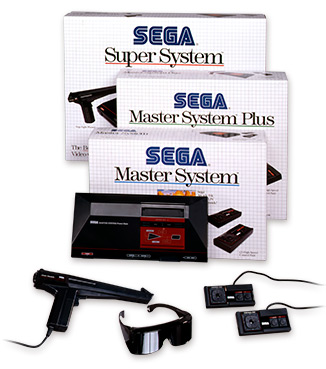
Master System
SEGA's 8-bit cartridge and card console, the Western version of the Mark III, for collectors and anyone comparing it with the NES or Mega Drive.
- Type
- Home console
- Output
- –
- Memory
- 24 KB
- Storage
- –
- Weight
- –
Specifications
Report a wrong or missing specPerformance
- Type
- Home console
- CPU
- Zilog Z80A, 3.58 MHz
- GPU
- SEGA video display processor (VDP)
- Memory
- 24 KB
- Disc drive
- No
- CPU
- Zilog Z80A at 3.58 MHz (SEGA service manual for the overseas Master System)
- Memory detail
- 8 KB RAM plus 16 KB VRAM (SEGA)
- Storage detail
- Cartridges and Sega Cards (SEGA)
Display and video
- Built-in screen
- No built-in screen
- Video output
- 256 × 192, up to 32 colours on screen from a 64-colour palette (SEGA developer and service manuals)
- Audio
- Programmable sound generator with three tone channels and one noise channel; the overseas model lacks the Japanese model's FM sound (SEGA)
Connections
- Controller
- Control Pad with D-pad and two buttons
Pros and cons
Pros
- 8-bit Zilog Z80A CPU at 3.58 MHz
- 16 KB of video RAM, 32 colours on screen
- Plays Sega Cards as well as cartridges from separate slots
Cons
- 8 KB of work RAM
- Only three tone channels and one noise channel on Western consoles
- 256 × 192 picture
Closest rivals
Model | Type | Output | Memory | Storage | Weight | Released |
|---|---|---|---|---|---|---|
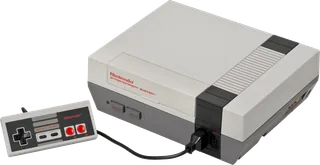
| Home console | – | 4 KB | – | – | 1986 | |
| Home console | – | 128 KB | – | – | Sept 1990 | |
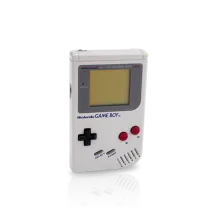
| Handheld | – | 16 KB | – | 220 g | Sept 1990 |
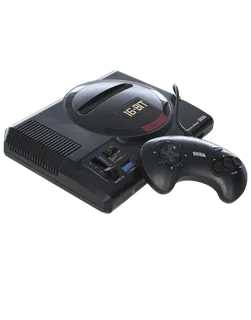
Newer model: Mega Drive.
Sources
- sega.jp/history/hard/mastersystem
- smspower.org/Development/SegaMasterSystemServiceManual
- smspower.org/Development/SMSOfficialDocs
- Japanese Master System MK-2000 with two controllers, front three-quarter view: Sega official hardware-history photograph; Japanese Master System MK-2000 with two controllers, front three-quarter view, regional configuration explicitly pictured; complete supplied canvas retained.
