Photo 1 of 13
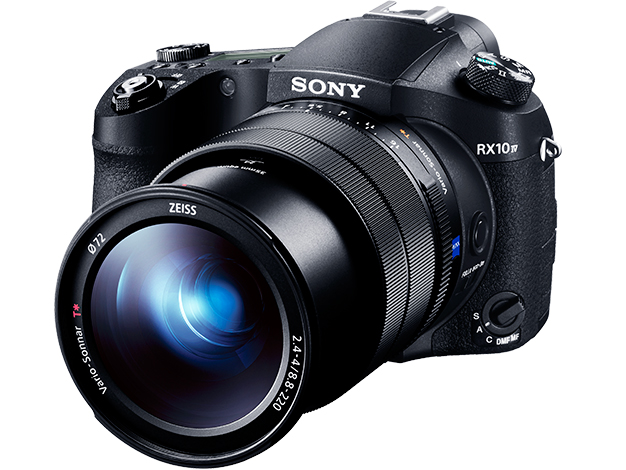
Sony Cyber-shot DSC-RX10 IV · Photo source
Sony · Cyber-shot RX10
Cyber-shot DSC-RX10 IV
A 24–600 mm equivalent bridge camera with phase-detection autofocus and 24 fps subject tracking for wildlife, action and general photography.
- Type
- Bridge
- Sensor
- 1.0-type
- Megapixels
- 20.1
- Lens
- 24–600 mm equivalent
- Video
- 3840 × 2160 at 30 fps
- Body weight
- 1050 g
What reviewers say
Both reviews praised the versatile lens, image quality and faster autofocus, while noting the substantial body. Photography Blog found telephoto shooting particularly effective but criticised complex menus, limited touch controls and slow video focus transitions. Digital Camera World liked the touch focus and handling, finding the viewfinder especially convincing.
Specifications
Report a wrong or missing specImage and sensor
- Camera type
- Bridge
- Sensor format
- 1.0-type
- Sensor type
- Exmor RS stacked CMOS with DRAM
- Sensor dimensions
- 13.2 × 8.8 mm
- Effective resolution
- 20.1 MP
- Largest image
- 5472 × 3648
- RAW recording
- Yes
- Standard ISO range
- 100–12800
- Sensor detail
- 1.0-type optical format; physical dimensions 13.2 × 8.8 mm; stacked processing circuitry and attached DRAM memory
- Image formats
- JPEG and RAW (Sony ARW 2.3); XAVC S and AVCHD 2.0 movies
- ISO detail
- Standard single-frame ISO 100–12800; extended ISO 64/80; multi-shot noise reduction reaches ISO 25600
- Image processor
- BIONZ X and front-end LSI
Lens and shooting
- Built-in lens
- 24–600 mm equivalent
- Maximum aperture
- f/2.4–4
- Optical zoom
- 25×
- Stabilisation
- Optical lens stabilisation
- Maximum continuous burst
- 24 fps
- Lens detail
- ZEISS Vario-Sonnar T*; actual 8.8–220 mm; 18 elements in 13 groups, including six aspherical elements; nine-blade aperture; no built-in ND filter
- Autofocus
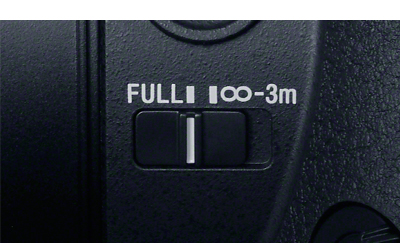
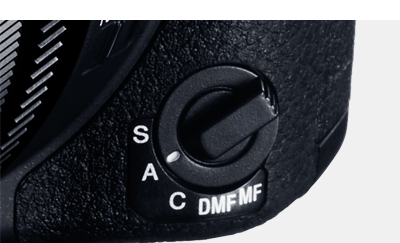
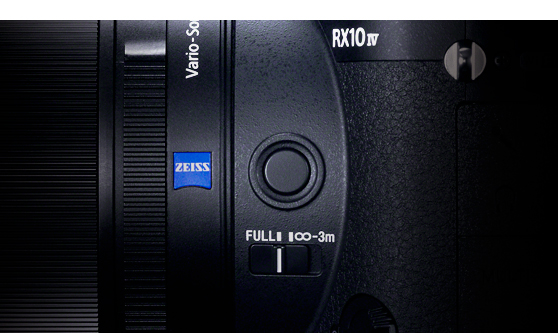
- Fast Hybrid AF with 315 phase-detection points covering approximately 65% of the frame and 25 contrast-detection areas; AF-S, AF-A, AF-C, direct manual focus and manual focus; Eye AF, Lock-on AF and focus range limiter at 150–600 mm equivalent
- Shutter
- Mechanical manual mode permits Bulb and 30 seconds to 1/2000 second at f/8 or smaller; maximum speed wide open is 1/1000 second. Electronic shutter reaches 1/32000 second.
- Burst detail
- Up to 24 fps Hi with AF/AE tracking, 10 fps Mid or 3.5 fps Low; maker buffer claim up to 249 Fine JPEG images in Hi mode; rate slows after the buffer fills
- Stabilisation detail
- Optical still-image stabilisation; maker claim up to 4.5 stops at 600 mm equivalent under CIPA conditions. Intelligent Active movie mode adds electronic correction.
- Flash
- Built-in flash and Multi Interface Shoe for compatible accessories
Video
- Highest video resolution
- 3840 × 2160 at 30 fps
- Video detail
- NTSC XAVC S 4K up to 3840 × 2160 at 30p or 24p, up to 100 Mbps, with full-pixel readout without binning; approximately 29-minute recording limit. Full HD up to 120p. Separate HFR captures 240/480/960 fps for approximately four seconds in quality mode or seven in duration mode, with reduced-resolution sensor readout encoded as Full HD; no audio. PAL is selectable; S-Log2, S-Log3 and proxy recording supported.
- Audio
- Stereo recording; LPCM or Dolby Digital by recording format; microphone input and headphone monitoring
Screen and viewfinder
- Viewfinder
- Electronic
- Screen size
- 3″
- Screen dots
- 1,440,000
- Touchscreen
- Yes
- Tilting screen
- Yes
- Display detail
- LCD tilts approximately 109° upwards and 41° downwards; Touch Focus and Touch Pad focus-point selection; backlit top settings display
- Viewfinder detail
- 0.39-type OLED with 2,359,296 dots, 100% coverage and approximately 0.70× equivalent magnification
Connections and design
- Wi-Fi
- Yes
- Bluetooth
- Yes
- Battery life (maker's claim)
- 400 photographs
- Body weight
- 1050 g
- Release detail
- Sony announced October 2017 shipments in North America, without a day; Japan went on sale on 6 October, after preorder opening on 20 September. Sony described RX10 III as an existing current model; no direct replacement inferred.
- Recording media
- SD, SDHC, SDXC and Memory Stick variants; XAVC S requires Class 10 or faster SDHC/SDXC, and 100 Mbps requires UHS-I U3
- Ports
- Multi/Micro USB with USB 2.0, Micro HDMI, Multi Interface Shoe, 3.5 mm microphone input and headphone output
- Wireless connections
- Wi-Fi 802.11b/g/n at 2.4 GHz, NFC and Bluetooth connection for location information from a compatible phone
- Battery life detail
- NP-FW50; CIPA maker claim approximately 400 photographs using LCD or 370 using viewfinder
- Charging
- USB charging and power supply during shooting or playback
- Dimensions
- Approximately 132.5 × 94 × 145 mm from lens front to viewfinder; 127.4 mm depth from lens front to monitor
- Weight detail
- Approximately 1050 g body only or 1095 g with battery and media
- Colours
- Black
Pros and cons
Pros
- 24–600 mm equivalent optical zoom
- 24 fps burst with autofocus and exposure tracking
- Touch focus and microphone/headphone connections
Cons
- Fixed lens cannot be exchanged
- Over 1 kg before battery and card
- No built-in ND filter
Closest rivals
Model | Type | Sensor | Megapixels | Lens | Video | Body weight | Released |
|---|---|---|---|---|---|---|---|
| Bridge | 1.0-type | 20.1 | 24–600 mm equivalent | 3840 × 2160 at 30 fps | 1051 g | May 2016 | |
| Bridge | 1.0-type | 20.2 | 24–200 mm equivalent | 3840 × 2160 at 30 fps | 770 g | Jul 2015 | |
| Bridge | 1/2.3-type | 20.4 | 24–1200 mm equivalent | 1920 × 1080 at 60 fps | 625 g | Jan 2017 |


Sources
- sony.co.uk/electronics/cyber-shot-compact-cameras/dsc-rx10m4/specifications
- sony.jp/cyber-shot/products/DSC-RX10M4/spec.html
- sony.jp/CorporateCruise/Press/201709/17-0913
- sony.mediaroom.com/2017-09-12-Sonys-New-RX10-IV-Combines-Lightning-Fast-AF-and-…
Photo: sony.jp
- Sony RX10 IV: Focus range limiter switch close-up: sony.jp/products/picture/original_RX10M4_img_focus-range-limiter.jpg
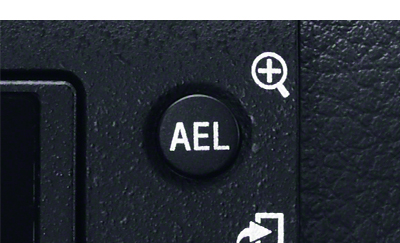
- Sony RX10 IV: AEL button close-up: sony.jp/products/picture/original_RX10M4_img_AEL.jpg
- Sony RX10 IV: Focus mode selector close-up: sony.jp/products/picture/original_RX10M4_img_AF-A.jpg
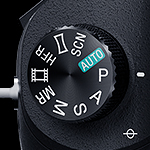
- Sony RX10 IV: Mode dial close-up: sony.jp/products/picture/original_RX10M4_img_shootingmode.jpg
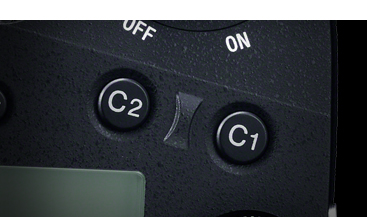
- Sony RX10 IV: C1 and C2 controls close-up: sony.jp/products/picture/original_RX10M4_img_movie_button_custom.jpg
- Sony RX10 IV: Lens focus hold button and focus limiter close-up: sony.jp/products/picture/original_RX10M4_img_hold-button.jpg
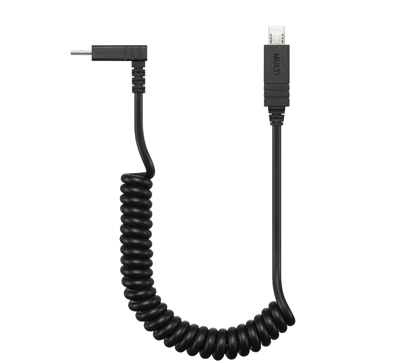
- Sony RX10 IV: Optional VMC-MM2 release cable for compatible dual-camera setup: sony.jp/products/picture/original_RX10M4_img_Dual_camera_solution.jpg
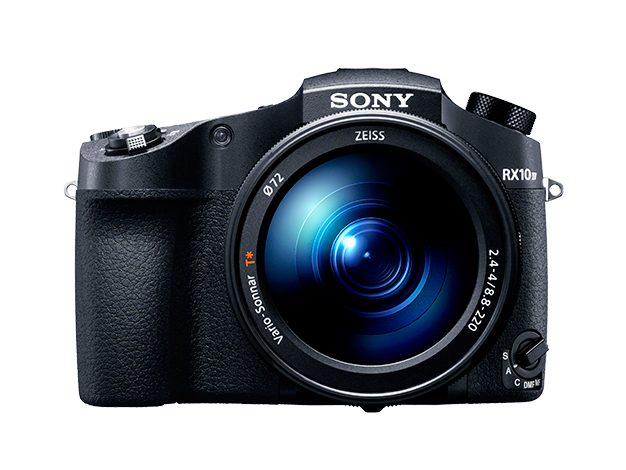
- Sony RX10 IV: Front with lens extended: sony.jp/products/picture/DSC-RX10M4_front.jpg
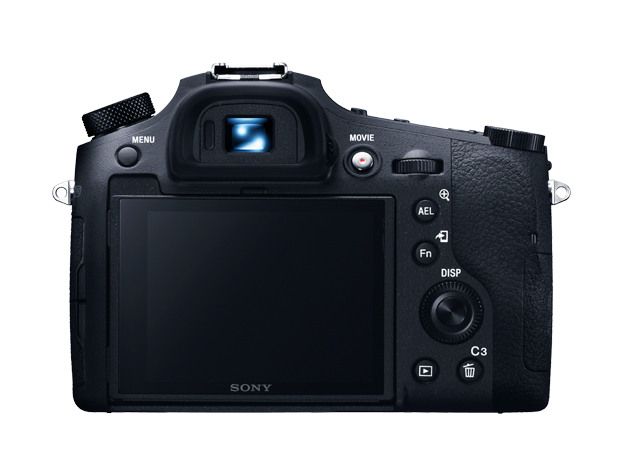
- Sony RX10 IV: Rear with screen closed: sony.jp/products/picture/DSC-RX10M4_rear.jpg
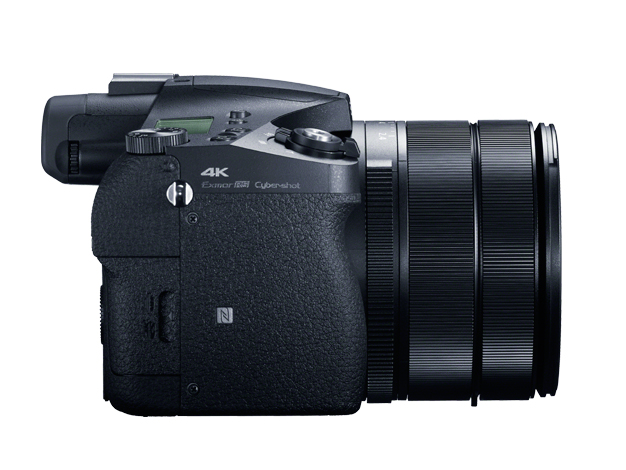
- Sony RX10 IV: Right side with lens extended: sony.jp/products/picture/DSC-RX10M4_leftside.jpg
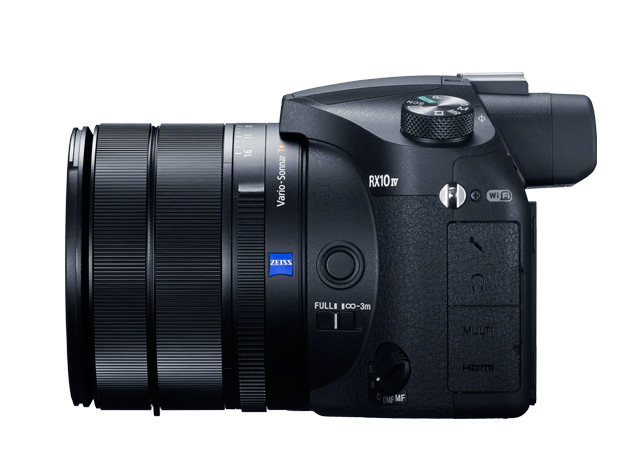
- Sony RX10 IV: Left side with lens extended: sony.jp/products/picture/DSC-RX10M4_rightside.jpg
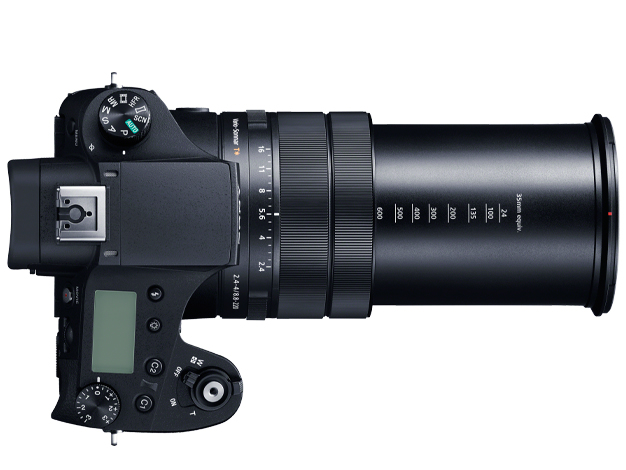
- Sony RX10 IV: Above with lens extended at telephoto position: sony.jp/products/picture/DSC-RX10M4_top_tele.jpg