Intel Core i5-14500 vs Intel Core i9-9980XE
Better figure, where one is clearly better
| IntelCore i5-14500 | IntelCore i9-9980XE | |
|---|---|---|
| Overview | ||
| Released | January 2024 | 2018 |
| Cores and clocks | ||
| Cores | 14 (6 performance, 8 efficiency) | 18 (better) |
| Threads | 20 | 36 (better) |
| Base clock | 2.6 GHz | 3 GHz |
| Boost clock | 5 GHz (better) | 4.5 GHz |
| L3 cache | 24 MB | 24.75 MB (better) |
| Cores | 6 P-cores and 8 E-cores; 20 threads. ComputerBase identifies its tested sample as C0 Alder Lake silicon within the marketed Raptor Lake Refresh generation. | Skylake-X refresh; Hyper-Threading and an unlocked multiplier, confirmed by Intel’s exact-model launch table. |
| Clocks | P-cores: 2.6 GHz base, up to 5.0 GHz turbo. E-cores: 1.9 GHz base, up to 3.7 GHz turbo. | Turbo Boost Max 3.0 up to 4.50 GHz on the preferred cores; ordinary Turbo Boost 2.0 up to 4.40 GHz. Intel planned November 2018 availability. ASCII’s contemporary report confirms Japanese retail sale on 21 December 2018, but earlier worldwide sale was not established; year precision is retained. |
| Cache | 24 MB Intel Smart Cache (L3); 11.5 MB total L2. | 24.75 MB Intel Smart Cache; L3 designation confirmed by the exact Newegg listing and ComputerBase’s technical table. |
| Graphics and AI | ||
| Built-in graphics | Yes | No |
| Graphics | Intel UHD Graphics 770; 32 execution units; up to 1.55 GHz; Quick Sync Video; up to four displays. | No processor graphics, explicitly confirmed by Intel’s exact-model support table. |
| Platform | ||
| Socket | LGA1700 | LGA2066 |
| Base power | 65 W | 165 W |
| Maximum power | 154 W | – |
| Unlocked | No | Yes |
| Cooler in the box | Yes | No |
| Memory support | Up to 192 GB; two channels; DDR5-4800 or DDR4-3200; 76.8 GB/s; ECC supported with an appropriate platform. | Up to 128 GB; four channels of DDR 4-2666; 85 GB/s maximum published bandwidth; no ECC. |
| PCIe | PCIe 5.0 and 4.0; 20 CPU lanes: 1×16+4 or 2×8+4; DMI 4.0 ×8. | 44 CPU lanes; PCIe 3.0. The 68-lane family platform figure includes chipset lanes. |
| Chipsets | Intel 600- and 700-series motherboards; appropriate BIOS support required. | Intel X 299; LGA 2066. |
| Process | Intel 7; Raptor Lake Refresh generation. ComputerBase identifies the tested sample as C0 Alder Lake silicon. 45 × 37.5 mm package; 100°C maximum junction temperature. | 14 nm; Skylake-X refresh. |
| Cooler | Intel Laminar RM1 included with the boxed processor (Intel support). | Intel explicitly excludes a fan and heatsink from the boxed product. Intel’s support article confirms solder thermal interface material for this exact model; published junction limit 84°C. |
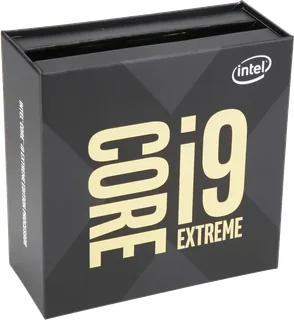
More comparisons
- AMD Ryzen 5 9600 vs Intel Core i5-14500
- Intel Core i5-14500 vs Intel Core Ultra 5 245K
- AMD Ryzen 9 9950X vs Intel Core i9-9980XE
- AMD Ryzen 9 9900X vs Intel Core i5-14500
- Intel Core i5-14500 vs Intel Core i9-14900KS
- Intel Core i9-14900KS vs Intel Core i9-9980XE
- AMD Ryzen 7 8700G vs Intel Core i5-14500
- AMD Ryzen 5 8600G vs Intel Core i5-14500
- Intel Core i5-12400F vs Intel Core i5-14500
- Intel Core i5-13400F vs Intel Core i5-14500
- Intel Core i5-14400F vs Intel Core i5-14500
- Intel Core i5-14500 vs Intel Core i5-14600K
- AMD Ryzen 5 7600 vs Intel Core i5-14500
- AMD Ryzen 9 7900 vs Intel Core i5-14500
- Intel Core i5-14500 vs Intel Core i7-14700K
- Intel Core i5-14500 vs Intel Core i9-14900K