Photo 1 of 5
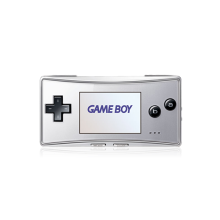
Nintendo Game Boy Micro · Nintendo official history image of Game Boy Micro, silver finish, front view with Game Boy screen artwork; complete supplied canvas retained.
Game Boy Micro
Nintendo's pocket-size Game Boy Advance redesign, with a two-inch back-lit screen and a headphone socket, for playing Game Boy Advance cartridges.
- Type
- Handheld
- Output
- –
- Memory
- –
- Storage
- –
- Weight
- 80 g
What reviewers say
Reviewers praised the sharp, bright screen and genuinely pocketable design. Ars Technica and Nintendo World Report both found the shoulder buttons awkward and noted that existing Game Boy Advance SP owners gain little; Ars also disliked the softer D-pad, while Nintendo World Report found the controls comfortable apart from the shoulders.
From arstechnica.com and nintendoworldreport.com
Specifications
Report a wrong or missing specPerformance
- Type
- Handheld
- CPU
- 32-bit RISC CPU and 8-bit CISC CPU
- Disc drive
- No
- CPU
- 32-bit RISC CPU plus 8-bit CISC CPU (Nintendo)
- Storage detail
- Game Boy Advance Game Paks; saves on the cartridge
Display and video
- Built-in screen
- 2″ LCD, 240 × 160, 60 Hz
- Built-in screen
- Two-inch back-lit LCD with 240 × 160 pixels, 60 Hz and four brightness settings (Nintendo UK)
- Audio
- Built-in speaker and standard headphone socket
Design and power
- Battery life (maker's claim)
- Up to 10 hours
- Weight
- 80 g
- Battery life detail
- Rechargeable lithium-ion battery; Nintendo quotes approximately 6–10 hours of play and 2.5 hours to charge
- Size
- 101 × 50 × 17.2 mm (width × height × depth)
- Colours
- Silver, green, blue and pink at the UK launch, with interchangeable faceplates
Connections
- Ports
- Game Pak slot, headphone socket, charging connector and Micro-specific link connector; Game Boy Advance links need an adapter
- Controller
- Built-in D-pad, A, B, L, R, Start and Select buttons; interchangeable faceplate
- Backward compatibility
- Game Boy Advance games only; no original Game Boy or Game Boy Color Game Paks
Pros and cons
Pros
- Small 80 g body with interchangeable faceplates
- Back-lit 240 × 160 screen with adjustable brightness
- Standard headphone socket and rechargeable battery
Cons
- Does not play older Game Boy or Game Boy Color cartridges
- Small shoulder buttons can be awkward to press
- Two-inch display is smaller than the Game Boy Advance SP's 2.9-inch screen
Closest rivals
Model | Type | Output | Memory | Storage | Weight | Released |
|---|---|---|---|---|---|---|
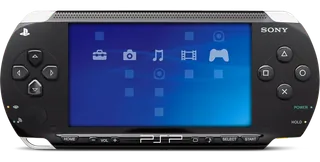
| Handheld | – | 36 MB | – | 280 g | Sept 2005 | |
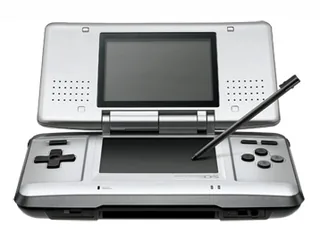
| Handheld | – | 4 MB | – | 275 g | Mar 2005 | |
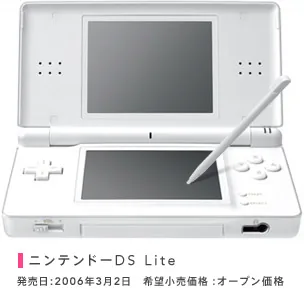
| Handheld | – | – | – | 218 g | Mar 2006 |
Sources
- nintendo.com/en-gb/Hardware/Nintendo-History/Game-Boy-Micro/Game-Boy-Micro-6271…
- nintendoworldreport.com/pr/10727/europe-gets-micro-in-november
- Nintendo Game Boy Micro, silver finish, front view with screen off: Nintendo official legacy product/history-page image; complete manufacturer-supplied canvas retained.
- Nintendo Game Boy Micro display detail: Nintendo official legacy product/history-page image; complete manufacturer-supplied canvas retained.
- Two Nintendo Game Boy Micro silver consoles, complete supplied composition: Nintendo official legacy product/history-page image; complete manufacturer-supplied canvas retained.
- Nintendo Game Boy Micro headphone-connector detail: Nintendo official legacy product/history-page image; complete manufacturer-supplied canvas retained.


