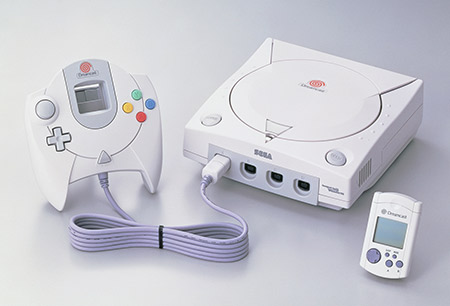
Photo 1 of 2
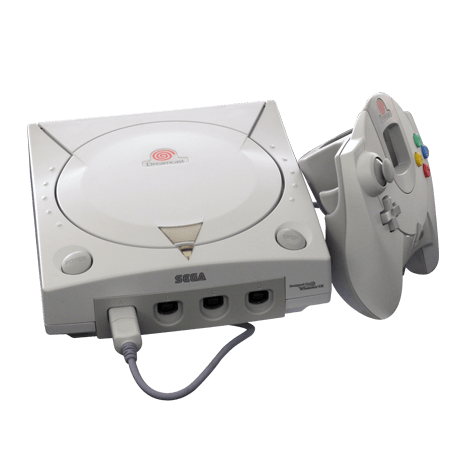
Dreamcast
SEGA's last home console, from 1998, with a built-in modem for online play and games on 1 GB GD-ROM discs, for collectors and anyone comparing it with the PS2, GameCube or Xbox.
Model history · 4 models, 1987–1999
- 1987Master SystemCompare
- 1990Mega DriveCompare
- 1995SaturnCompare
- 1999Dreamcast
- Type
- Home console
- Output
- 480p
- Memory
- 24 MB
- Storage
- –
- Weight
- 1,500 g
Specifications
Report a wrong or missing specPerformance
- Type
- Home console
- CPU
- Hitachi SH-4, 200 MHz
- GPU
- NEC PowerVR2 DC
- Memory
- 24 MB
- Disc drive
- Yes
- CPU
- SH4 128-bit graphics-engine RISC CPU at 200 MHz, 360 MIPS, 1.4 GFLOPS
- GPU
- PowerVR2 DC, over 3 million polygons per second; bump mapping, fog, alpha blending, mip mapping, trilinear filtering, anti-aliasing, environment mapping
- Memory detail
- 16 MB main memory, 8 MB texture (video) memory, 2 MB sound memory
- Storage detail
- GD-ROM drive (about 1 GB per disc), up to 12× speed; saves on the VMU (Visual Memory)
Display and video
- Maximum output
- 480p
- Built-in screen
- No built-in screen
- Video output
- AV out (composite, S-Video, RGB SCART); 640 × 480 progressive VGA through a separately sold adaptor, in supported games (ConsoleMods)
- Audio
- Super Intelligent Sound Processor with a 32-bit RISC CPU, 64 channels PCM/ADPCM
Design and power
- Weight
- 1,500 g
Connections
- Ports
- 4 × controller ports, AV out, serial port, removable 33.6 kbit/s modem (SEGA hardware outline)
- Controller
- Dreamcast controller with analogue stick, analogue triggers and two slots for the VMU and other expansion units
Pros and cons
Pros
- Built-in modem for online play and web browsing
- PowerVR2 graphics, over 3 million polygons per second
- 480p on a VGA display through the separately sold VGA adaptor, in supported games
Cons
- 16 MB of main RAM plus 8 MB of video RAM
- Doesn't play DVD films
- Saves need a separate Visual Memory unit
Closest rivals
Model | Type | Output | Memory | Storage | Weight | Released |
|---|---|---|---|---|---|---|
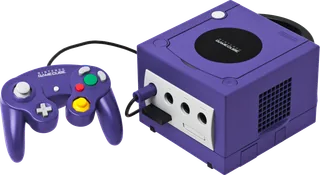
| Home console | – | 36 MB | – | 2,200 g | Nov 2000 | |
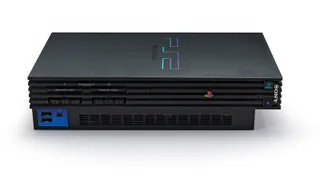
| Home console | 576i | 40 MB | – | 1,400 g | May 2002 | |
| Home console | – | 3 MB | – | 560 g | Sept 2000 |
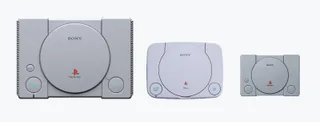
Previous model: Saturn.
Sources
- sega.jp/history/hard/dreamcast
- scribd.com/document/626429325/Dreamcast-Hardware-Specification-Outline
- consolemods.org/wiki/Dreamcast:Video_Output_Notes
- collection.sciencemuseumgroup.org.uk/objects/co8912915
- Japanese Dreamcast with controller and separate Visual Memory unit on a studio surface: Sega official hardware-history photograph; Japanese Dreamcast with controller and separate Visual Memory unit on a studio surface; complete supplied studio background and canvas retained, regional configuration pictured.